

How Much Does Real-Time Industrial Database Integration Cost for Warehouse Automation Systems?
Discover the true cost of real-time industrial database integration for warehouse automation systems—critical insight for procurement teams, project managers, and decision-makers navigating today’s import market. As industrial suppliers increasingly adopt smart logistics infrastructure, trade analytics and reliable trade resources become essential for ROI-driven deployment. TradeVantage delivers authoritative, SEO-optimized intelligence on industrial database implementation costs, vendor benchmarks, and regional pricing trends across 50+ sectors—empowering global exporters and importers with data-backed clarity to accelerate sourcing, reduce risk, and strengthen supply chain resilience.
What Real-Time Industrial Database Integration Really Entails
Real-time industrial database integration refers to the bidirectional synchronization of operational data between warehouse automation hardware (e.g., PLCs, AGVs, WMS, RFID readers) and centralized industrial databases—typically built on time-series or hybrid SQL/NoSQL architectures compliant with IEC 62541 (OPC UA), ISO/IEC 20922, and ISA-95 standards.
Unlike batch-based ERP data transfers, real-time integration requires sub-second latency (<500ms end-to-end), guaranteed message delivery, and deterministic data modeling for event-triggered workflows—such as automatic stock reconciliation upon pallet scan, dynamic slotting reassignment during peak throughput, or predictive maintenance alerts based on motor current variance over 3-minute rolling windows.
This capability is not a standalone software module but a layered stack: field-level protocol translation (Modbus TCP → OPC UA), edge computing orchestration (deployed on ruggedized gateways with 2–4 GB RAM), cloud-native data ingestion (via MQTT/AMQP), and domain-specific schema mapping aligned with ANSI/ISA-88 Part 5 material tracking models.
Cost Drivers Across Implementation Tiers
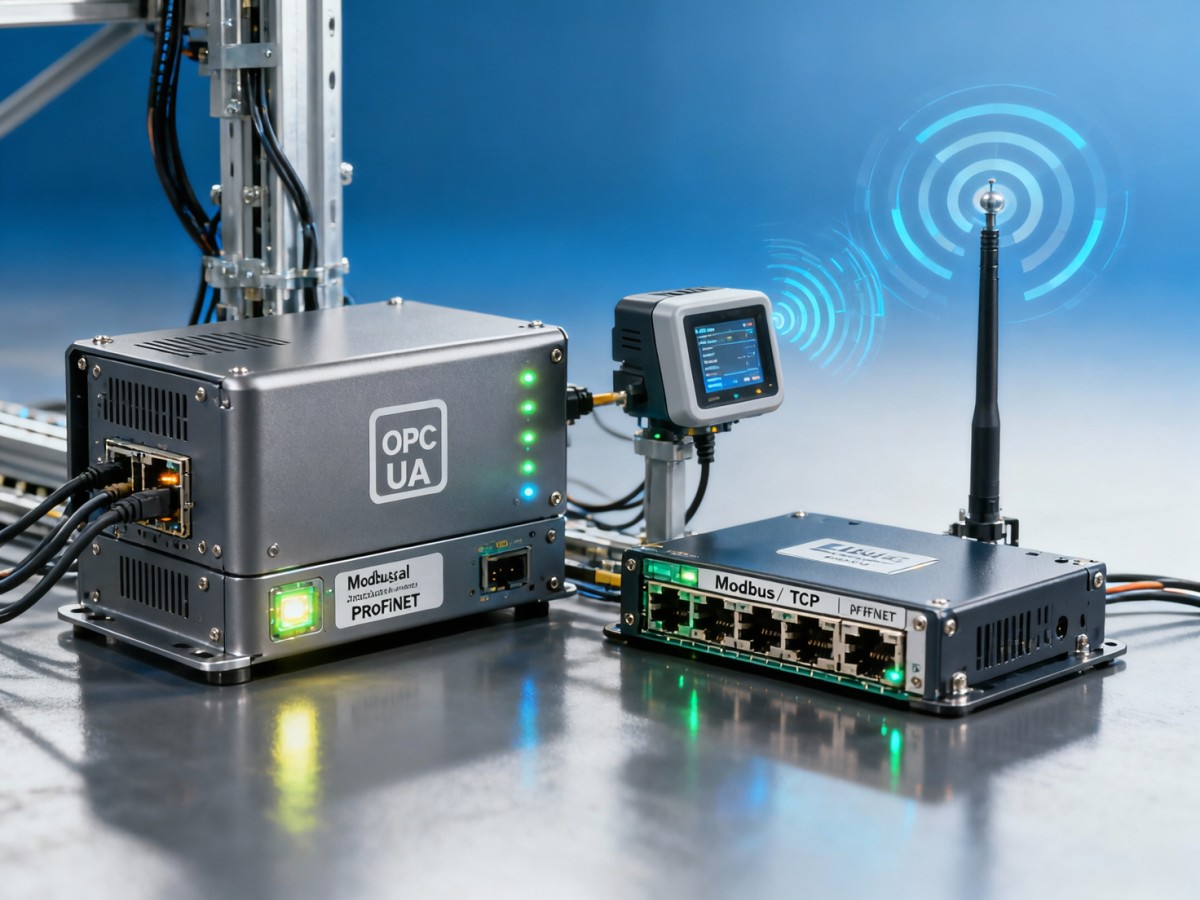
Total cost varies significantly based on system scale, legacy compatibility, and regional compliance requirements—not just licensing fees. TradeVantage’s 2024 benchmarking across 127 warehouse automation deployments in Germany, Vietnam, Mexico, and the U.S. identifies four distinct implementation tiers:
Notably, 68% of mid-tier projects exceed budget due to unscoped legacy HMI retrofitting—especially when integrating Siemens SIMATIC WinCC v7.4 or Rockwell FactoryTalk View SE into modern cloud databases. TradeVantage’s supplier verification reports flag such compatibility gaps before RFQ issuance, reducing cost overruns by up to 31% on average.
How Regional Sourcing Impacts Total Cost of Ownership
Geographic origin directly influences both upfront integration spend and long-term TCO. TradeVantage’s cross-border trade analytics reveal three critical variables: local certification overhead (e.g., UL 61000-6-4 testing in North America adds $12,000–$18,000), labor cost differentials (German engineering services cost 2.3× Vietnamese counterparts), and tariff-sensitive component sourcing (e.g., industrial-grade Ethernet switches subject to 7.5% MFN tariffs under HS 8517.62).
For example, deploying identical real-time database architecture in Shenzhen versus Stuttgart incurs 22–34% lower integration labor costs—but adds 8–12 weeks for CE/UKCA conformity assessment, including EMC immunity testing per EN 61000-4-3 at 10 V/m (80 MHz–2.7 GHz). These variables are tracked daily in TradeVantage’s Regulatory Radar™ database—updated within 48 hours of new national annex publication.
Procurement teams using our platform report 41% faster vendor shortlisting by filtering suppliers pre-verified for region-specific compliance (e.g., “CE-certified industrial database gateways with ATEX Zone 22 approval” or “UL-listed edge servers validated for Class I Div 2 environments”).
Procurement Checklist: 5 Non-Negotiable Evaluation Criteria
When evaluating real-time database integration vendors, technical and procurement stakeholders must jointly assess these five criteria—each tied to measurable performance thresholds and contractual enforceability:
- Latency SLA enforcement: Minimum guaranteed end-to-end latency under 95th percentile load (e.g., ≤380ms for 500 concurrent device connections), verified via third-party stress testing reports.
- Protocol coverage depth: Not just “supports Modbus”—but documented driver validation for specific firmware versions (e.g., Schneider EcoStruxure Control Expert v15.1+, Beckhoff TwinCAT 3.1.4024.0).
- Data lineage traceability: Full audit log retention for ≥18 months, with immutable timestamps aligned to UTC±1ms via NTPv4 or PTP IEEE 1588-2019.
- Failover recovery time: Documented RTO ≤90 seconds and RPO = 0 for primary-to-standby database switchover under simulated network partition.
- Post-deployment support model: On-site escalation path with certified engineers available within 72 business hours for Tier-3 incidents in your country of operation.
Why Global Procurement Teams Rely on TradeVantage Intelligence
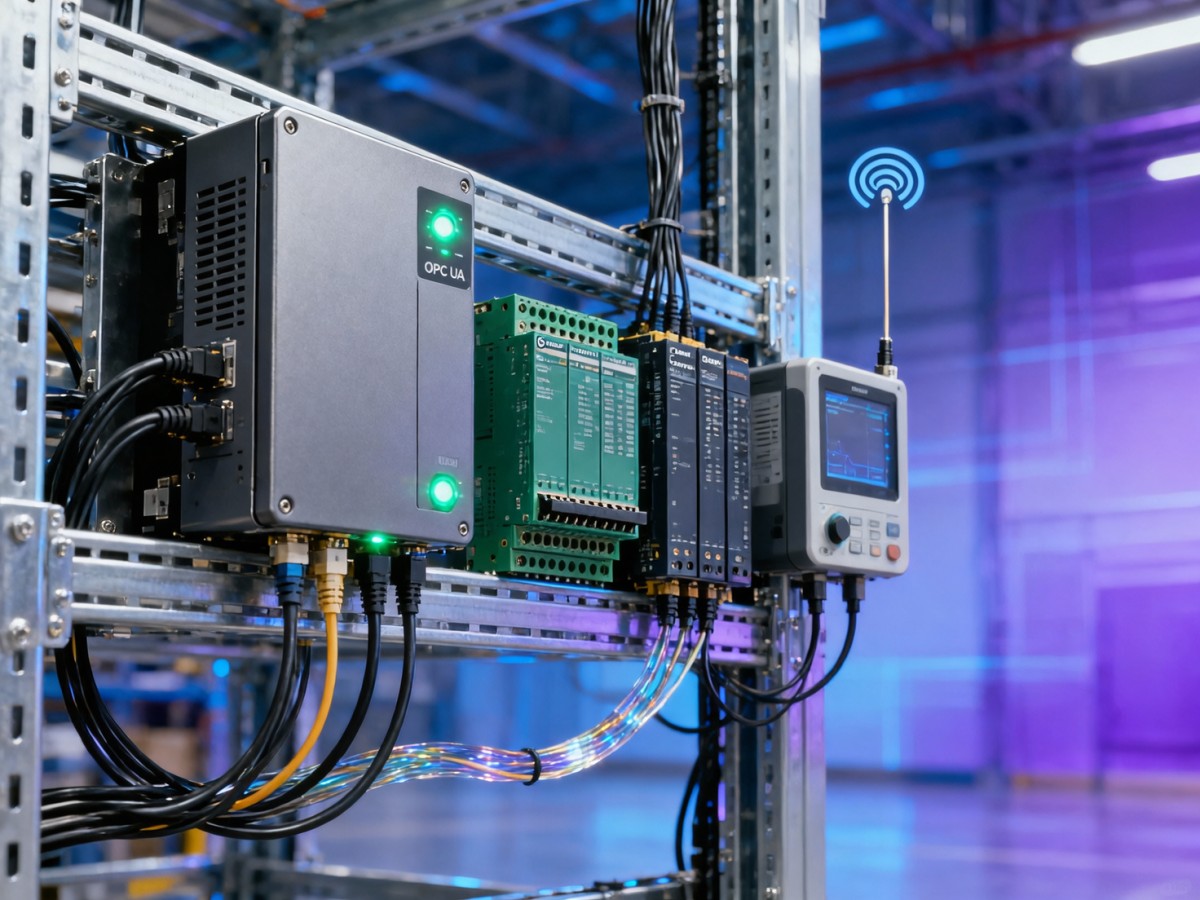
TradeVantage doesn’t sell integration services—we equip procurement teams, project managers, and technical evaluators with the precise, jurisdiction-aware intelligence needed to de-risk decisions. Our industrial database integration intelligence includes:
- Live vendor scorecards updated weekly—covering 217 industrial automation vendors across 34 countries, with verified certifications, lead times, and regional service capacity.
- Real-time cost trend dashboards showing 6-month moving averages for key components: OPC UA servers ($4,200–$11,800), hardened edge gateways ($1,950–$5,600), and custom protocol license bundles ($8,500–$22,000).
- Import-ready compliance briefings—including tariff codes, required test reports, and local registration steps—for 52 markets, from Brazil’s INMETRO to South Korea’s KC Mark.
Whether you’re validating a supplier’s claim of “zero-downtime database failover” or comparing total 5-year TCO across German vs. Taiwanese integrators, TradeVantage delivers the structured, auditable data that procurement leaders require—and search algorithms reward.
Access our latest Real-Time Industrial Database Integration Vendor Benchmark Report—including full methodology, regional cost breakdowns, and 12 vendor deep dives—with a free TradeVantage account. Request your personalized quote comparison matrix or schedule a 30-minute expert consultation on integration scope definition, compliance alignment, or multi-region rollout planning.
 When an export market analysis platform can validate demand in a new marketExport market analysis platform insights help validate new-market demand through buyer fit, regulations, logistics, competition, and profitable entry conditions.
 What is driving the beauty and personal care market in the USA?Beauty and personal care in USA is driven by targeted solutions, selective premiumization, digital discovery, clean-label trust, diverse needs, and compliance. Explore key growth opportunities.
 How trade flow monitoring reports reveal changing regional demandTrade flow monitoring reports reveal changing regional demand through import volumes, sourcing shifts, product mix, logistics signals, and regulatory trends. Explore actionable market insights.
 How international market intelligence for investors reduces market-entry riskInternational market intelligence for investors reduces market-entry risk by validating demand, regulations, logistics, and competition before capital is committed.
 How international sourcing intelligence helps identify supplier risk earlyInternational sourcing intelligence helps businesses spot supplier risks early, protect supply continuity, and make smarter global procurement decisions.
 How trade data aggregation analytics reveals emerging supplier marketsTrade data aggregation analytics reveals emerging supplier markets through export trends, input flows, logistics, and regulatory signals. Discover smarter sourcing insights.
 What industrial cluster monitoring in Vietnam reveals about site riskIndustrial cluster monitoring Vietnam reveals hidden site risks across labor, utilities, logistics, compliance, and supplier dependencies. Make smarter sourcing and expansion decisions.
 Food Technology Trends Reshaping Shelf Life, Safety, and Product InnovationFood technology is reshaping shelf life, safety, and innovation. Discover the trends helping food businesses cut risk, improve compliance, and unlock stronger global market growth.
 How electronics manufacturing services are changing with low-volume demandElectronics manufacturing services are evolving fast with low-volume demand. Learn how agile EMS partners improve flexibility, compliance, sourcing resilience, and speed to market.
 How Can Buyers Reduce Procurement Risks for Electronic Components?How to reduce procurement risks for electronic components: learn how buyers assess traceability, lead times, compliance, and supplier types to avoid costly sourcing mistakes.
 What Sourcing Intelligence India Reveals About Supplier Risk and Cost ShiftsSourcing intelligence India reveals hidden supplier risk, compliance gaps, logistics pressure, and real cost shifts—helping buyers compare vendors smarter and source with more confidence.
 Fashion Trends 2026: Which Materials, Colors, and Silhouettes Are Gaining Ground?Fashion trends 2026 spotlight tactile fabrics, mineral colors, and controlled volume. Explore the materials, shades, and silhouettes shaping smarter, more wearable style.
 Smart Device Market Outlook: Key Growth Drivers, Segments, and Business OpportunitiesSmart device market trends are shifting toward system value, industrial demand, and resilient supply chains. Explore key growth drivers, high-potential segments, and business opportunities.
 How Global Trade Intelligence Services Help B2B Firms Evaluate Markets and SuppliersGlobal trade intelligence services help B2B firms compare suppliers, assess market potential, and uncover compliance, logistics, and pricing risks before costly decisions are made.
 Manufacturing Sector Updates for Investors: What Signals Matter Most in 2025?Manufacturing sector updates for investors in 2025: track orders, margins, supply chains, regulation, and exports to spot resilient manufacturers and smarter investment signals.
 How Energy Market Intelligence Helps Businesses Track Price Risks and Demand ShiftsEnergy market intelligence helps businesses spot price risks, demand shifts, and supply pressure early—improving procurement, resilience, and faster strategic decisions.
 Precision Hardware Tools Market: Key Demand Drivers, Segments, and Growth OutlookPrecision hardware tools market trends are reshaping sourcing, compliance, and automation. Explore key demand drivers, segment shifts, regional supply patterns, and growth opportunities.
 How to Use Customs Import Data to Find Buyers, Track Competitors, and Spot Demand?Customs import data helps you find real buyers, track competitors, and spot demand shifts early. Learn practical ways to turn trade records into smarter global business decisions.
 Manufacturing Cost Analysis: 8 Cost Drivers That Change Your Unit PriceManufacturing cost analysis explained through 8 key cost drivers that impact unit price, supplier stability, and margins—learn how to compare quotes smarter and reduce sourcing risk.
 Industrial Market Realities: What Buyers Should Check Before Comparing Supplier QuotesIndustrial market realities shape every supplier quote beyond unit price. Learn what to check on compliance, lead times, logistics, and hidden cost risks before comparing offers.
 Beverage Production Line Planning: Key Equipment, Capacity, and Hygiene RequirementsBeverage production line planning made practical: discover key equipment, real capacity sizing, and hygiene requirements to improve efficiency, safety, and long-term plant performance.




















Global Trade Insights & Industry
Our mission is to empower global exporters and importers with data-driven insights that foster strategic growth.
Search News
Popular Tags
Industry Overview
The global commercial kitchen equipment market is projected to reach $112 billion by 2027. Driven by urbanization, the rise of e-commerce food delivery, and strict hygiene regulations.