

What Drives Material Handling Equipment Price in 2026?
In 2026, material handling equipment price trends are influenced by far more than base manufacturing inputs. Steel, electronics, batteries, freight, software, and compliance all shape final quotes.
Across warehousing, logistics, retail distribution, ports, and light manufacturing, buyers now compare not only sticker cost but also uptime, automation value, and energy performance.
That shift makes material handling equipment price analysis a strategic task. Better decisions come from understanding what is embedded inside a quotation and what may rise later.
Material handling equipment price as a cost framework
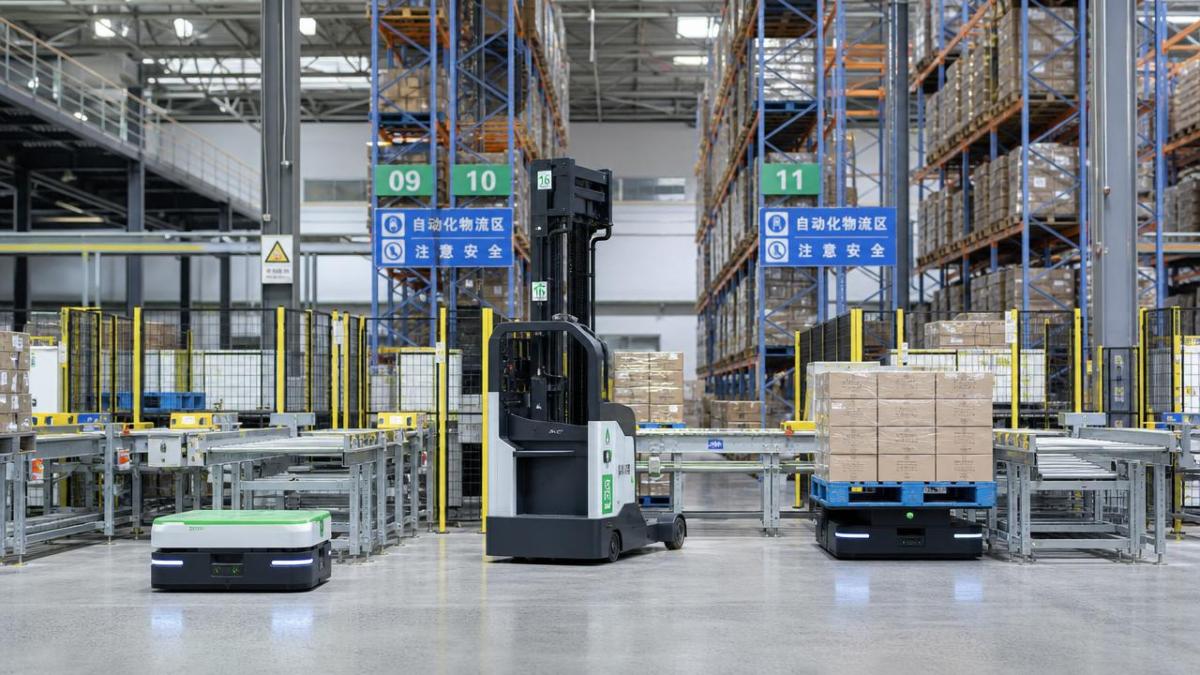
The term material handling equipment price covers more than forklifts or conveyors alone. It includes the cost of moving, storing, protecting, and tracking goods inside supply chains.
Typical categories include:
- Forklifts, reach trucks, pallet jacks, and order pickers
- Conveyors, sortation systems, and automated storage equipment
- Cranes, hoists, dock systems, and lifting platforms
- AGVs, AMRs, sensors, software, and fleet management tools
In 2026, the visible equipment cost often represents only one part of total investment. Installation, software integration, spare parts, training, and service contracts can materially change budgets.
As a result, any realistic material handling equipment price comparison should evaluate total landed cost and expected operating life, not simply the unit amount on the first page.
Key market signals shaping 2026 pricing
Several industry signals explain why material handling equipment price levels remain uneven across product types and sourcing regions. Some factors increase costs directly, while others change risk premiums.
These signals also vary by equipment complexity. A manual pallet truck follows different cost logic than an autonomous mobile robot connected to warehouse software.
Automation and digital systems change the price equation
Automation is one of the strongest reasons material handling equipment price is rising in advanced categories. Sensors, navigation software, cameras, controllers, and integration services add substantial value and cost.
Yet higher upfront pricing does not automatically mean worse economics. Automated systems can reduce labor dependency, improve throughput, and support more stable operations during peak cycles.
Pricing differences commonly appear in three layers:
- Core machine hardware
- Control software and connectivity
- Commissioning, mapping, and system integration
For this reason, a low visible machine quote may still produce a high final material handling equipment price once integration and support are added.
Software subscriptions and data visibility
In 2026, some suppliers separate software fees from hardware quotes. Fleet analytics, remote diagnostics, traffic control, and predictive maintenance can become recurring annual expenses.
That means material handling equipment price should be reviewed over three to seven years, especially for connected fleets and automated storage environments.
Energy efficiency and power systems influence total investment
Power choice now plays a central role in material handling equipment price. Electric models, lithium battery systems, charging stations, and energy management features are changing procurement patterns.
Although internal combustion equipment may appear less expensive in some cases, fuel cost, emissions controls, and maintenance can narrow the gap over time.
Energy-related price factors include:
- Battery chemistry and replacement cycle
- Charging infrastructure and electrical upgrades
- Runtime efficiency under different duty cycles
- Heat, ventilation, and environmental compliance needs
When energy costs are volatile, efficient equipment often protects long-term budgets better than lower-cost alternatives with poor operating performance.
Regional sourcing patterns and supply chain risk premiums
Regional sourcing has become another major variable behind material handling equipment price. Lead time, logistics reliability, and after-sales availability increasingly affect quote structure.
Some buyers favor nearshoring for faster service and lower disruption risk. Others accept longer routes when the cost advantage remains meaningful after freight and duty calculations.
This is why material handling equipment price discussions increasingly include parts stocking, warranty response windows, and service network depth.
Typical equipment categories and pricing logic
Different equipment classes respond to different cost drivers. Understanding the category helps explain why one quote rises faster than another.
- Forklifts and reach trucks: battery choice, lifting capacity, safety systems, and brand service coverage matter most.
- Conveyors and sortation: steel content, controls, installation scope, and layout customization are key.
- Dock and lifting systems: hydraulic components, safety certification, and site conditions shape final cost.
- AGVs and AMRs: software, navigation accuracy, traffic management, and integration complexity drive premiums.
- Storage automation: engineering depth, throughput targets, and warehouse management connectivity influence budget size.
In practical terms, material handling equipment price moves from commodity logic toward solution logic as technical sophistication increases.
How to evaluate quotes without missing hidden costs
A competitive quote should be transparent. Hidden charges often appear after technical clarification, site review, or installation planning.
Before comparing material handling equipment price offers, check whether each proposal includes the same scope.
- Confirm equipment specifications, load capacity, and duty cycle assumptions.
- Verify battery, charger, software, and accessories are included or excluded.
- Review freight, customs, installation, commissioning, and training terms.
- Check spare parts package, warranty duration, and service response commitments.
- Estimate energy use, maintenance intervals, and likely replacement items.
This approach gives a truer picture of material handling equipment price and reduces the risk of selecting the cheapest quote with the highest downstream burden.
Practical outlook for 2026 decisions
The 2026 outlook suggests that material handling equipment price will remain sensitive to technology content, battery systems, supply chain resilience, and regional compliance rules.
At the same time, price pressure will not be uniform. Standard equipment may stabilize, while connected and automated solutions continue carrying stronger premiums.
For better outcomes, build comparisons around total cost of ownership, operating continuity, and service reliability. Those factors often matter more than a narrow initial discount.
TradeVantage tracks industrial cost signals, sourcing changes, and equipment trends across global markets. Use those insights to benchmark supplier offers, refine sourcing strategy, and negotiate with clearer data.
 How to use supplier risk analysis to spot financial warning signsUse supplier risk analysis to spot cash flow pressure, debt risks, and delivery warning signs. Learn practical steps to reduce exposure and protect supply continuity.
 When dual sourcing makes sense in a sourcing strategy for manufacturersSourcing strategy for manufacturers: learn when dual sourcing strengthens supply continuity, reduces disruption risk, and protects production without adding unnecessary complexity.
 How bulk commodities pricing affects long-term supply contractsBulk commodities pricing shapes long-term supply contracts through index rules, freight, quality, volume, and currency risk. Explore strategies for resilient costs and supply security.
 Which global manufacturing trends by sector matter most for sourcing plans?Global manufacturing trends by sector: identify sourcing risks, supplier resilience, compliance demands, and cost drivers to build smarter, more reliable procurement plans.
 What industrial trade intelligence pricing should include before you subscribeIndustrial trade intelligence pricing explained: compare coverage, data quality, access rights, and workflow value before choosing a subscription that supports smarter trade decisions.
 How an industrial trade intelligence dashboard can identify new supplier marketsDiscover how an industrial trade intelligence dashboard helps identify new supplier markets by comparing capacity, landed cost, logistics resilience, and compliance risk.
 Which global market entry barriers should exporters assess first?Global market entry barriers exporters should assess first: tariffs, compliance, buyer qualification, logistics, and payment risk. Build a practical strategy for confident market entry.
 How trade data aggregation analytics can reveal emerging supplier marketsTrade data aggregation analytics reveals emerging supplier markets by connecting trade flows, capacity signals, logistics, and compliance insights for smarter sourcing decisions.
 When an export market analysis platform can validate demand in a new marketExport market analysis platform insights help validate new-market demand through buyer fit, regulations, logistics, competition, and profitable entry conditions.
 What is driving the beauty and personal care market in the USA?Beauty and personal care in USA is driven by targeted solutions, selective premiumization, digital discovery, clean-label trust, diverse needs, and compliance. Explore key growth opportunities.
 How trade flow monitoring reports reveal changing regional demandTrade flow monitoring reports reveal changing regional demand through import volumes, sourcing shifts, product mix, logistics signals, and regulatory trends. Explore actionable market insights.
 How international market intelligence for investors reduces market-entry riskInternational market intelligence for investors reduces market-entry risk by validating demand, regulations, logistics, and competition before capital is committed.
 How international sourcing intelligence helps identify supplier risk earlyInternational sourcing intelligence helps businesses spot supplier risks early, protect supply continuity, and make smarter global procurement decisions.
 How trade data aggregation analytics reveals emerging supplier marketsTrade data aggregation analytics reveals emerging supplier markets through export trends, input flows, logistics, and regulatory signals. Discover smarter sourcing insights.
 What industrial cluster monitoring in Vietnam reveals about site riskIndustrial cluster monitoring Vietnam reveals hidden site risks across labor, utilities, logistics, compliance, and supplier dependencies. Make smarter sourcing and expansion decisions.
 Food Technology Trends Reshaping Shelf Life, Safety, and Product InnovationFood technology is reshaping shelf life, safety, and innovation. Discover the trends helping food businesses cut risk, improve compliance, and unlock stronger global market growth.
 How electronics manufacturing services are changing with low-volume demandElectronics manufacturing services are evolving fast with low-volume demand. Learn how agile EMS partners improve flexibility, compliance, sourcing resilience, and speed to market.
 How Can Buyers Reduce Procurement Risks for Electronic Components?How to reduce procurement risks for electronic components: learn how buyers assess traceability, lead times, compliance, and supplier types to avoid costly sourcing mistakes.
 What Sourcing Intelligence India Reveals About Supplier Risk and Cost ShiftsSourcing intelligence India reveals hidden supplier risk, compliance gaps, logistics pressure, and real cost shifts—helping buyers compare vendors smarter and source with more confidence.
 Fashion Trends 2026: Which Materials, Colors, and Silhouettes Are Gaining Ground?Fashion trends 2026 spotlight tactile fabrics, mineral colors, and controlled volume. Explore the materials, shades, and silhouettes shaping smarter, more wearable style.
 Smart Device Market Outlook: Key Growth Drivers, Segments, and Business OpportunitiesSmart device market trends are shifting toward system value, industrial demand, and resilient supply chains. Explore key growth drivers, high-potential segments, and business opportunities.





















Global Trade Insights & Industry
Our mission is to empower global exporters and importers with data-driven insights that foster strategic growth.
Search News
Popular Tags
Industry Overview
The global commercial kitchen equipment market is projected to reach $112 billion by 2027. Driven by urbanization, the rise of e-commerce food delivery, and strict hygiene regulations.