

Material Handling Equipment Price vs Lifecycle Cost
For business decision-makers, focusing only on the material handling equipment price can create expensive long-term consequences. Initial quotes rarely show the full cost of ownership.
A more practical approach compares purchase cost with maintenance, energy demand, uptime, operator efficiency, replacement cycles, and resale value. This lifecycle view supports stronger investment choices.
Across warehousing, manufacturing, ports, retail distribution, and construction support, the right decision depends on operating conditions. The best material handling equipment price is not always the lowest number.
When upfront material handling equipment price matters most
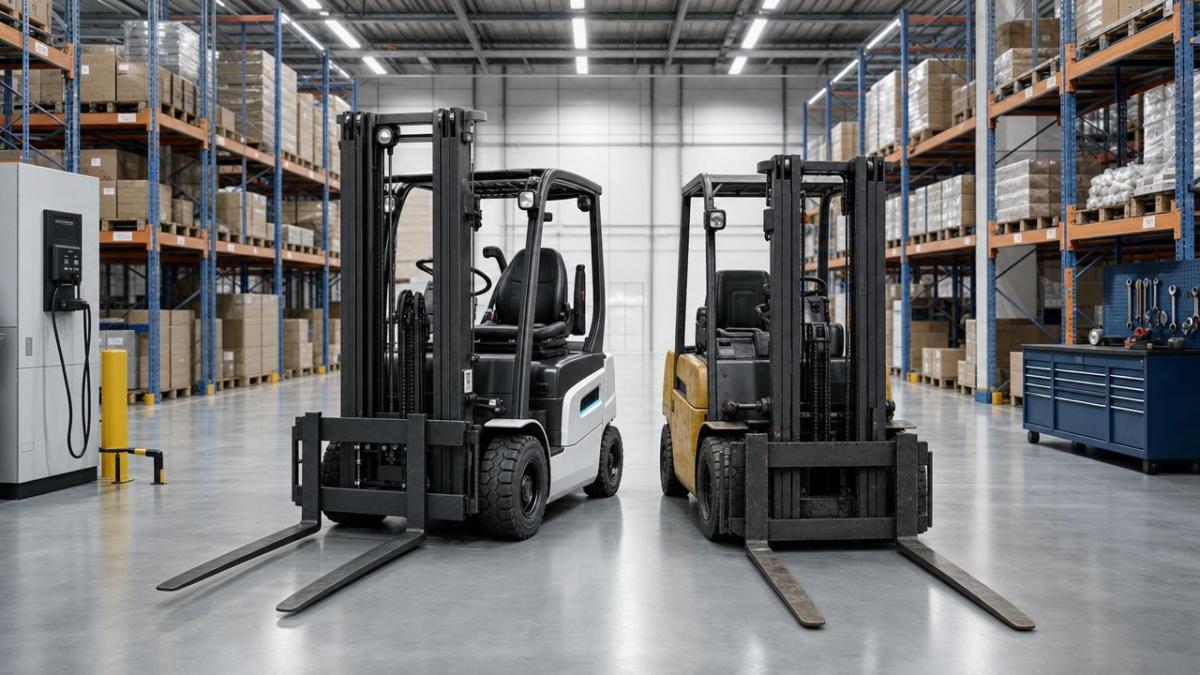
Some environments prioritize low entry cost because equipment use is light, seasonal, or temporary. In these cases, a lower material handling equipment price may align with business goals.
Short project cycles, limited daily shifts, and low load intensity reduce wear. That makes lifecycle cost less dominant, though service availability still matters.
Typical situations where purchase price has higher weight
- Pop-up warehouses with short lease periods
- Seasonal distribution peaks
- Backup equipment for contingency planning
- Low-frequency internal movement operations
Even here, the cheapest option can still fail if spare parts are hard to source or if safety performance is weak. A low sticker price should pass minimum reliability checks.
When lifecycle cost matters more than material handling equipment price
In high-throughput settings, lifecycle cost often outweighs the initial material handling equipment price. A small productivity gain can offset a higher purchase cost very quickly.
Continuous operation amplifies every weakness. Frequent repairs, battery inefficiency, tire wear, and control system faults become major cost drivers over time.
High-usage scenarios with stronger lifecycle sensitivity
- Multi-shift warehouses
- Automotive and heavy manufacturing plants
- Cold chain distribution centers
- Port, yard, and container transfer operations
In these environments, the better question is not “What is the lowest material handling equipment price?” It is “What delivers the lowest cost per productive hour?”
How warehouse scenarios change the real cost equation
Warehouse operations vary widely. Narrow aisles, high racks, rapid picking, and mixed SKU turnover all influence equipment selection and total cost outcomes.
A standard forklift with a lower material handling equipment price may look attractive. Yet poor turning radius or slower lift speed can restrict throughput every day.
Core judgement points in warehouse settings
- Travel distance per shift
- Racking height and aisle width
- Battery charging or fuel logistics
- Peak-hour order density
- Downtime tolerance
For e-commerce and retail fulfillment, uptime and maneuverability usually beat low purchase cost. For slower storage applications, entry price may carry more weight.
Why manufacturing sites evaluate beyond material handling equipment price
Manufacturing sites often connect equipment performance directly with line continuity. A brief material flow disruption can trigger broader production delays and labor inefficiency.
That is why the material handling equipment price should be reviewed alongside service response time, component durability, operator ergonomics, and integration with plant routines.
Important cost drivers in factory environments
- Unplanned stoppages affecting production lines
- Load precision for delicate or heavy components
- Indoor emissions and noise restrictions
- Operator fatigue over long shifts
In this scenario, slightly higher capital spending can reduce labor waste and throughput losses. The cheapest equipment can become the most expensive interruption point.
Comparing scenario differences that affect total ownership cost
Different operating settings create different priorities. The table below shows how scenario conditions shift the balance between material handling equipment price and lifecycle performance.
Practical ways to evaluate the right scenario fit
A useful comparison framework helps translate the material handling equipment price into a measurable business case. This keeps decisions grounded in operating reality.
- Estimate annual operating hours and shift intensity.
- Measure cost of downtime per hour.
- Compare expected energy or fuel consumption.
- Review maintenance intervals and local parts support.
- Assess productivity impact, including speed and maneuverability.
- Project useful life and residual value.
This method often reveals that a higher material handling equipment price produces lower long-term cost, especially in demanding applications.
Common mistakes when judging equipment cost by scenario
Several misjudgments appear repeatedly across industries. Most happen when the buying decision isolates the initial quote from operational consequences.
Frequent oversight points
- Ignoring charging infrastructure or fuel handling costs
- Underestimating maintenance lead times
- Choosing capacity without matching travel conditions
- Overlooking operator comfort and safety features
- Failing to calculate productivity losses from slower cycles
Another mistake is treating all facilities alike. The same material handling equipment price can represent excellent value in one site and poor value in another.
A better next step for evaluating material handling equipment price
The strongest decisions start with scenario mapping, not catalog comparison alone. List usage frequency, environment, peak loads, service expectations, and operational constraints first.
Then compare suppliers using both initial material handling equipment price and five-year ownership cost. Include maintenance, energy, downtime, labor impact, and resale assumptions.
For companies tracking global industrial shifts, GTIIN and TradeVantage provide broader market intelligence that supports these evaluations. Reliable information improves equipment timing, supplier screening, and strategic sourcing outcomes.
In competitive supply chains, the smartest investment is rarely the lowest quote. It is the option that fits the real operating scenario and delivers better value over time.
 Which global manufacturing trends by sector matter most for sourcing plans?Global manufacturing trends by sector: identify sourcing risks, supplier resilience, compliance demands, and cost drivers to build smarter, more reliable procurement plans.
 What industrial trade intelligence pricing should include before you subscribeIndustrial trade intelligence pricing explained: compare coverage, data quality, access rights, and workflow value before choosing a subscription that supports smarter trade decisions.
 How an industrial trade intelligence dashboard can identify new supplier marketsDiscover how an industrial trade intelligence dashboard helps identify new supplier markets by comparing capacity, landed cost, logistics resilience, and compliance risk.
 Which global market entry barriers should exporters assess first?Global market entry barriers exporters should assess first: tariffs, compliance, buyer qualification, logistics, and payment risk. Build a practical strategy for confident market entry.
 How trade data aggregation analytics can reveal emerging supplier marketsTrade data aggregation analytics reveals emerging supplier markets by connecting trade flows, capacity signals, logistics, and compliance insights for smarter sourcing decisions.
 When an export market analysis platform can validate demand in a new marketExport market analysis platform insights help validate new-market demand through buyer fit, regulations, logistics, competition, and profitable entry conditions.
 What is driving the beauty and personal care market in the USA?Beauty and personal care in USA is driven by targeted solutions, selective premiumization, digital discovery, clean-label trust, diverse needs, and compliance. Explore key growth opportunities.
 How trade flow monitoring reports reveal changing regional demandTrade flow monitoring reports reveal changing regional demand through import volumes, sourcing shifts, product mix, logistics signals, and regulatory trends. Explore actionable market insights.
 How international market intelligence for investors reduces market-entry riskInternational market intelligence for investors reduces market-entry risk by validating demand, regulations, logistics, and competition before capital is committed.
 How international sourcing intelligence helps identify supplier risk earlyInternational sourcing intelligence helps businesses spot supplier risks early, protect supply continuity, and make smarter global procurement decisions.
 How trade data aggregation analytics reveals emerging supplier marketsTrade data aggregation analytics reveals emerging supplier markets through export trends, input flows, logistics, and regulatory signals. Discover smarter sourcing insights.
 What industrial cluster monitoring in Vietnam reveals about site riskIndustrial cluster monitoring Vietnam reveals hidden site risks across labor, utilities, logistics, compliance, and supplier dependencies. Make smarter sourcing and expansion decisions.
 Food Technology Trends Reshaping Shelf Life, Safety, and Product InnovationFood technology is reshaping shelf life, safety, and innovation. Discover the trends helping food businesses cut risk, improve compliance, and unlock stronger global market growth.
 How electronics manufacturing services are changing with low-volume demandElectronics manufacturing services are evolving fast with low-volume demand. Learn how agile EMS partners improve flexibility, compliance, sourcing resilience, and speed to market.
 How Can Buyers Reduce Procurement Risks for Electronic Components?How to reduce procurement risks for electronic components: learn how buyers assess traceability, lead times, compliance, and supplier types to avoid costly sourcing mistakes.
 What Sourcing Intelligence India Reveals About Supplier Risk and Cost ShiftsSourcing intelligence India reveals hidden supplier risk, compliance gaps, logistics pressure, and real cost shifts—helping buyers compare vendors smarter and source with more confidence.
 Fashion Trends 2026: Which Materials, Colors, and Silhouettes Are Gaining Ground?Fashion trends 2026 spotlight tactile fabrics, mineral colors, and controlled volume. Explore the materials, shades, and silhouettes shaping smarter, more wearable style.
 Smart Device Market Outlook: Key Growth Drivers, Segments, and Business OpportunitiesSmart device market trends are shifting toward system value, industrial demand, and resilient supply chains. Explore key growth drivers, high-potential segments, and business opportunities.
 How Global Trade Intelligence Services Help B2B Firms Evaluate Markets and SuppliersGlobal trade intelligence services help B2B firms compare suppliers, assess market potential, and uncover compliance, logistics, and pricing risks before costly decisions are made.
 Manufacturing Sector Updates for Investors: What Signals Matter Most in 2025?Manufacturing sector updates for investors in 2025: track orders, margins, supply chains, regulation, and exports to spot resilient manufacturers and smarter investment signals.
 How Energy Market Intelligence Helps Businesses Track Price Risks and Demand ShiftsEnergy market intelligence helps businesses spot price risks, demand shifts, and supply pressure early—improving procurement, resilience, and faster strategic decisions.





















Global Trade Insights & Industry
Our mission is to empower global exporters and importers with data-driven insights that foster strategic growth.
Search News
Popular Tags
Industry Overview
The global commercial kitchen equipment market is projected to reach $112 billion by 2027. Driven by urbanization, the rise of e-commerce food delivery, and strict hygiene regulations.