

Snow Sports Equipment Trends That May Affect Product Planning
As climate variability, material innovation, and shifting consumer demand reshape the market, snow sports equipment is becoming a critical focus for product planning. For business decision-makers, understanding these trends is essential to align sourcing, design, and market positioning with future demand. This article explores the key developments influencing the industry and what they mean for competitive growth.
Why snow sports equipment trends require structured evaluation
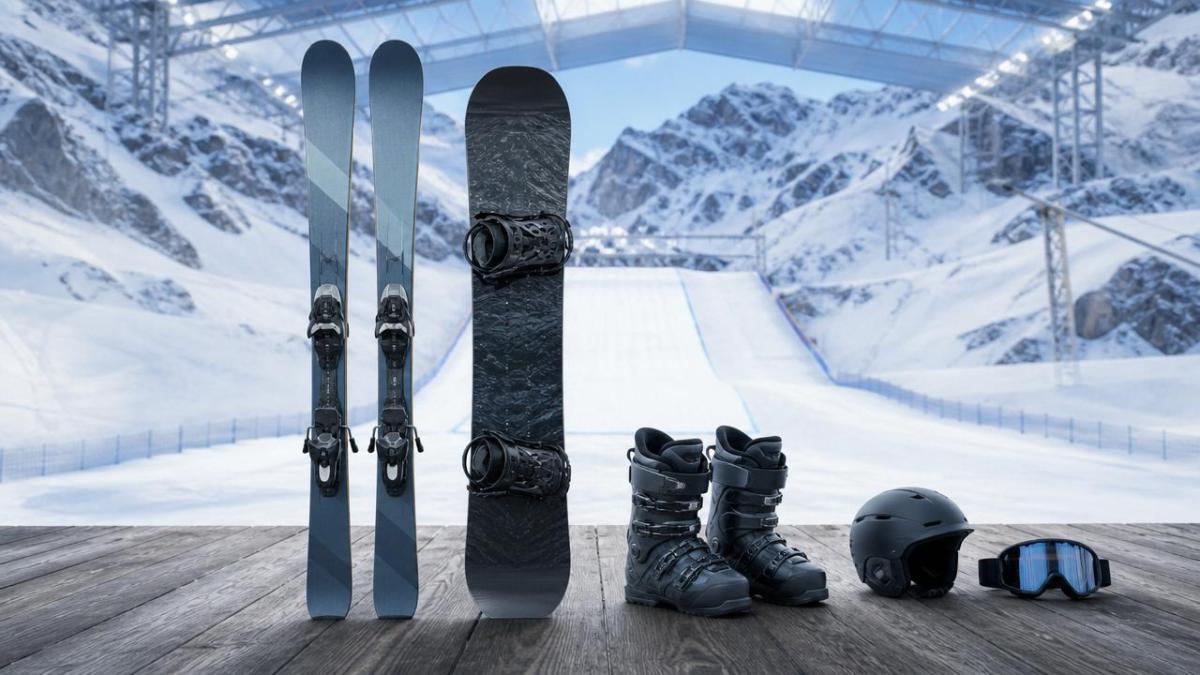
The market for snow sports equipment is no longer shaped by winter demand alone. Weather uncertainty, shorter seasons, and indoor snow venues now influence planning windows and inventory cycles.
At the same time, buyers expect lighter, safer, and more sustainable products. This pushes brands and suppliers to review design, materials, pricing, and channel strategy together.
A structured review helps reduce blind spots. It also supports faster decisions on product development, sourcing risk, compliance, and positioning in the snow sports equipment category.
Core points to review when planning snow sports equipment
- Track snowfall variability, resort traffic, and indoor venue growth to decide whether snow sports equipment should prioritize performance, adaptability, or year-round use.
- Review lightweight composites, recycled plastics, and bio-based materials because product feel, durability, and sustainability claims increasingly affect snow sports equipment selection.
- Check whether boot, binding, helmet, and protective gear standards are changing across target markets before finalizing snow sports equipment specifications and launch timing.
- Map premium, mid-range, and entry-level demand separately since different regions respond to value, innovation, and branding in snow sports equipment very differently.
- Assess modularity and repairability because replaceable parts can extend product life and improve perceived value in snow sports equipment purchasing decisions.
- Study rental and demo channels carefully, as resort-based trial use often shapes future retail demand for skis, snowboards, helmets, and related snow sports equipment.
- Evaluate packaging size, freight efficiency, and regional warehousing because bulky snow sports equipment can lose margin quickly through avoidable logistics costs.
- Monitor digital search trends and social influence to identify which snow sports equipment features, colors, and safety benefits are gaining attention before peak buying seasons.
Trend areas shaping product planning decisions
1. Climate adaptation and shorter season strategies
Climate pressure is changing where and when snow sports equipment sells. Lower-altitude resorts face inconsistent snowfall, while glacier, destination, and indoor facilities gain importance.
This favors versatile products. All-mountain skis, adjustable bindings, layered apparel systems, and durable helmets often fit broader use cases than highly specialized seasonal items.
2. Material innovation and weight reduction
Advanced materials remain central to snow sports equipment development. Carbon blends, engineered wood cores, impact foams, and recycled polymers improve response, comfort, and portability.
However, lower weight alone is not enough. Product planning should verify fatigue resistance, cold-weather performance, and repair outcomes before scaling new material choices.
3. Sustainability as a market signal
Sustainability now affects brand trust and search visibility. Snow sports equipment with traceable sourcing, recycled content, and lower-impact packaging can gain stronger market differentiation.
Claims must be credible. Clear documentation, factory transparency, and realistic durability messaging matter more than vague eco language in competitive international markets.
4. Safety-driven upgrades
Helmets, back protectors, goggles, and avalanche-related gear are seeing stronger safety expectations. In many categories, protective snow sports equipment is moving from optional to essential.
This creates room for design updates. Better fit systems, anti-fog performance, impact management, and visible certification marks can directly support conversion and premium positioning.
5. Lifestyle crossover and design influence
Consumers increasingly want products that bridge performance and lifestyle appeal. This affects color direction, outerwear styling, helmet aesthetics, and accessory packaging across snow sports equipment lines.
Visual identity now matters earlier in product planning. Products that work on slopes and in après-ski settings often achieve wider digital engagement and retail appeal.
How priorities change across selling and usage scenarios
Resort rental and beginner segments
For rental-heavy channels, durability and simple adjustment usually matter more than elite performance. Snow sports equipment must tolerate repeated use, fast turnover, and varying skill levels.
Easy identification, replaceable parts, and low maintenance finishes can improve lifecycle value. These details often outperform premium materials in this environment.
Performance and enthusiast markets
Advanced users compare flex, weight, edge control, fit precision, and terrain specialization. Here, snow sports equipment must deliver measurable technical benefits and clear product segmentation.
Launch narratives should connect design choices to real riding outcomes. Generic feature lists rarely persuade this audience or support premium margins.
Urban retail and online-first channels
In urban and digital channels, discovery often begins with search results, reviews, and social proof. Snow sports equipment must present benefits clearly without physical trial.
Sizing guidance, comparison tables, and visible safety or sustainability proof can reduce hesitation. Packaging and unboxing quality also influence review performance.
Commonly overlooked risks in snow sports equipment planning
Ignoring regional season shifts can lead to wrong launch timing. A product calendar built for one climate zone may fail in another market.
Overengineering entry products can damage competitiveness. Not every snow sports equipment buyer will pay for technical complexity that brings little visible benefit.
Unverified sustainability claims create trust and compliance risk. Environmental messaging should match supplier documents, material data, and packaging reality.
Weak after-sales planning reduces long-term value. Spare parts, warranty clarity, and repair support matter more as buyers seek longer product lifecycles.
Treating all snow sports equipment as one category hides important differences. Skis, boards, helmets, poles, boots, and goggles respond to separate trend drivers.
Practical steps to turn market signals into action
- Build a quarterly review using climate data, search trends, resort traffic, and competitor launches to keep snow sports equipment planning aligned with demand changes.
- Separate innovation projects into quick updates and long-cycle development so snow sports equipment portfolios stay responsive without disrupting core revenue lines.
- Create material scorecards covering cost, durability, sustainability evidence, and cold-weather performance before approving new snow sports equipment components.
- Test product messaging in export markets early, especially for safety, fit, and eco claims that can shape click-through rates and channel acceptance.
- Use pilot runs or limited regional launches to validate snow sports equipment features before committing to wider tooling, packaging, and inventory investment.
FAQ about snow sports equipment trends
Which snow sports equipment categories are changing fastest?
Protective gear, lightweight hardgoods, and sustainable accessories are moving quickly. These areas combine safety, visible innovation, and strong digital search interest.
How important is sustainability in snow sports equipment?
It is increasingly important, but proof matters. Buyers respond better to traceable materials, durable design, and credible certifications than to broad green claims.
Does climate change reduce opportunity in snow sports equipment?
Not necessarily. It shifts opportunity toward adaptable products, indoor snow markets, destination travel demand, and smarter regional product planning.
Conclusion and next-step focus
Snow sports equipment planning now depends on more than product performance. Climate adaptation, material science, safety upgrades, sustainability, and digital discovery all affect success.
The strongest results come from combining market intelligence with disciplined execution. That is where data-led platforms create an advantage across international trade decision-making.
GTIIN and TradeVantage support this process through global supply chain updates, sector analysis, and visibility-focused industry publishing. For companies tracking snow sports equipment, timely intelligence can sharpen product direction, improve export readiness, and strengthen long-term search presence.
 How an industrial trade intelligence dashboard can identify new supplier marketsDiscover how an industrial trade intelligence dashboard helps identify new supplier markets by comparing capacity, landed cost, logistics resilience, and compliance risk.
 Which global market entry barriers should exporters assess first?Global market entry barriers exporters should assess first: tariffs, compliance, buyer qualification, logistics, and payment risk. Build a practical strategy for confident market entry.
 How trade data aggregation analytics can reveal emerging supplier marketsTrade data aggregation analytics reveals emerging supplier markets by connecting trade flows, capacity signals, logistics, and compliance insights for smarter sourcing decisions.
 When an export market analysis platform can validate demand in a new marketExport market analysis platform insights help validate new-market demand through buyer fit, regulations, logistics, competition, and profitable entry conditions.
 What is driving the beauty and personal care market in the USA?Beauty and personal care in USA is driven by targeted solutions, selective premiumization, digital discovery, clean-label trust, diverse needs, and compliance. Explore key growth opportunities.
 How trade flow monitoring reports reveal changing regional demandTrade flow monitoring reports reveal changing regional demand through import volumes, sourcing shifts, product mix, logistics signals, and regulatory trends. Explore actionable market insights.
 How international market intelligence for investors reduces market-entry riskInternational market intelligence for investors reduces market-entry risk by validating demand, regulations, logistics, and competition before capital is committed.
 How international sourcing intelligence helps identify supplier risk earlyInternational sourcing intelligence helps businesses spot supplier risks early, protect supply continuity, and make smarter global procurement decisions.
 How trade data aggregation analytics reveals emerging supplier marketsTrade data aggregation analytics reveals emerging supplier markets through export trends, input flows, logistics, and regulatory signals. Discover smarter sourcing insights.
 What industrial cluster monitoring in Vietnam reveals about site riskIndustrial cluster monitoring Vietnam reveals hidden site risks across labor, utilities, logistics, compliance, and supplier dependencies. Make smarter sourcing and expansion decisions.
 Food Technology Trends Reshaping Shelf Life, Safety, and Product InnovationFood technology is reshaping shelf life, safety, and innovation. Discover the trends helping food businesses cut risk, improve compliance, and unlock stronger global market growth.
 How electronics manufacturing services are changing with low-volume demandElectronics manufacturing services are evolving fast with low-volume demand. Learn how agile EMS partners improve flexibility, compliance, sourcing resilience, and speed to market.
 How Can Buyers Reduce Procurement Risks for Electronic Components?How to reduce procurement risks for electronic components: learn how buyers assess traceability, lead times, compliance, and supplier types to avoid costly sourcing mistakes.
 What Sourcing Intelligence India Reveals About Supplier Risk and Cost ShiftsSourcing intelligence India reveals hidden supplier risk, compliance gaps, logistics pressure, and real cost shifts—helping buyers compare vendors smarter and source with more confidence.
 Fashion Trends 2026: Which Materials, Colors, and Silhouettes Are Gaining Ground?Fashion trends 2026 spotlight tactile fabrics, mineral colors, and controlled volume. Explore the materials, shades, and silhouettes shaping smarter, more wearable style.
 Smart Device Market Outlook: Key Growth Drivers, Segments, and Business OpportunitiesSmart device market trends are shifting toward system value, industrial demand, and resilient supply chains. Explore key growth drivers, high-potential segments, and business opportunities.
 How Global Trade Intelligence Services Help B2B Firms Evaluate Markets and SuppliersGlobal trade intelligence services help B2B firms compare suppliers, assess market potential, and uncover compliance, logistics, and pricing risks before costly decisions are made.
 Manufacturing Sector Updates for Investors: What Signals Matter Most in 2025?Manufacturing sector updates for investors in 2025: track orders, margins, supply chains, regulation, and exports to spot resilient manufacturers and smarter investment signals.
 How Energy Market Intelligence Helps Businesses Track Price Risks and Demand ShiftsEnergy market intelligence helps businesses spot price risks, demand shifts, and supply pressure early—improving procurement, resilience, and faster strategic decisions.
 Precision Hardware Tools Market: Key Demand Drivers, Segments, and Growth OutlookPrecision hardware tools market trends are reshaping sourcing, compliance, and automation. Explore key demand drivers, segment shifts, regional supply patterns, and growth opportunities.
 How to Use Customs Import Data to Find Buyers, Track Competitors, and Spot Demand?Customs import data helps you find real buyers, track competitors, and spot demand shifts early. Learn practical ways to turn trade records into smarter global business decisions.





















Global Trade Insights & Industry
Our mission is to empower global exporters and importers with data-driven insights that foster strategic growth.
Search News
Popular Tags
Industry Overview
The global commercial kitchen equipment market is projected to reach $112 billion by 2027. Driven by urbanization, the rise of e-commerce food delivery, and strict hygiene regulations.