

How to Choose Water Sports Equipment for Changing Conditions
Choosing the right water sports equipment can make the difference between a smooth adventure and a frustrating day on the water. When weather, waves, wind, and temperature shift unexpectedly, the gear you use needs to match those changing conditions. This guide explains how to evaluate water sports equipment with a practical, safety-first approach, while improving comfort, control, and long-term value.
Core Factors That Shape Water Sports Equipment Selection
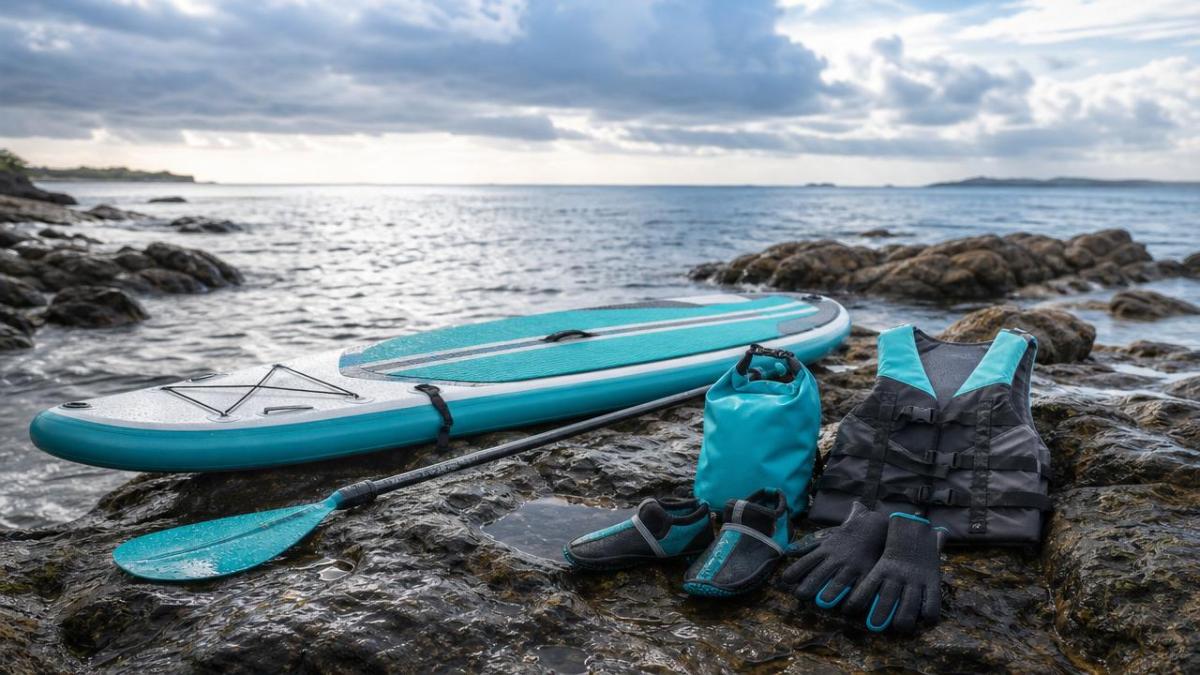
Not all water sports equipment performs well in every environment. Conditions can change within minutes, especially in coastal, lake, and open-water settings.
The best selection process starts with five variables: wind, water state, temperature, visibility, and duration. Each affects how gear should be chosen.
Wind influences board stability, paddle efficiency, sail control, and even personal balance. Strong gusts require more responsive and secure water sports equipment.
Water state includes chop, swell, current, and tide movement. Flat water allows broader gear choices, while rough water demands more specialized equipment.
Temperature affects clothing systems, flotation comfort, grip, and stamina. Cold water increases the need for thermal protection and secure emergency gear.
Visibility matters more than many people expect. Fog, rain, and late-day light can change navigation, signaling needs, and the color visibility of equipment.
Trip duration also matters. Short sessions may allow lighter setups, but longer outings need storage, hydration compatibility, and reduced fatigue.
A Simple Evaluation Framework
- Match equipment to the hardest expected condition, not the easiest one.
- Prioritize safety and control before speed or style.
- Choose adaptable gear if weather forecasts are uncertain.
- Review transport, maintenance, and storage requirements.
Current Industry Focus in Outdoor Water Gear
The outdoor sports equipment sector is placing more attention on versatility. Buyers increasingly look for water sports equipment that performs across mixed conditions.
This shift reflects changing consumer habits and less predictable weather patterns. Equipment is expected to support mobility, durability, and quick adaptation.
For businesses tracking product demand and market shifts, platforms such as GTIIN and TradeVantage help reveal evolving preferences across global outdoor categories.
Real-time industry intelligence also helps identify which water sports equipment features are gaining relevance in export markets and seasonal retail cycles.
How Conditions Affect Different Types of Water Sports Equipment
Different gear categories respond differently to changing water conditions. Understanding these differences prevents costly mismatches and poor on-water performance.
Boards and Hull Shapes
Wider boards offer more stability in chop and for beginners. Narrower designs track faster but can feel unstable in crosswinds or confused water.
Longer boards glide better on flat water and distance routes. Shorter boards turn more easily in surf zones and tighter spaces.
Paddles, Oars, and Control Components
A stiffer paddle increases power transfer, but may tire the body in rough sessions. Flexible shafts can reduce fatigue over longer outings.
Adjustable paddles support mixed-use conditions. They are valuable when switching between flat water, current, and small surf.
Personal Protection Gear
A personal flotation device should fit closely without restricting movement. Bulkier models may feel safer, but poor fit can reduce real performance.
Wetsuits, drysuits, rash guards, gloves, and boots should match water temperature first, then weather comfort second. Cold shock is a critical risk.
Accessories That Matter in Variable Conditions
- Leashes for boards in wind or current
- Dry bags for electronics and extra layers
- Waterproof communication devices
- Anti-slip footwear for rocky or wet launches
Practical Value of Choosing the Right Equipment
Well-matched water sports equipment improves more than comfort. It directly supports safety, energy efficiency, skill development, and confidence.
In unstable conditions, the right gear helps maintain direction, absorb impact, and reduce unnecessary physical strain. This lowers the chance of early exhaustion.
Equipment chosen for changing conditions also tends to deliver better long-term value. Versatile products reduce replacement frequency and support broader use cases.
From a market perspective, demand continues to grow for water sports equipment that balances portability, technical performance, and safety compliance.
Typical Condition-Based Equipment Choices
The table below shows how water sports equipment choices often change based on common outdoor conditions.
Selection Tips for Reliable Performance
When comparing water sports equipment, test adaptability before focusing on premium features. Performance in ideal conditions does not guarantee reliability in variable weather.
Check Fit and Stability First
Poorly fitted gear reduces control. This applies to flotation devices, footwear, thermal layers, and board dimensions.
Look for Adjustment Options
Removable fins, adjustable paddle length, layered clothing systems, and modular storage improve flexibility across changing environments.
Balance Weight and Durability
Lightweight water sports equipment is easier to transport and handle, but it must still tolerate impact, UV exposure, salt, and abrasion.
Review Safety Features Carefully
- High-visibility colors
- Reflective patches
- Reliable attachment points
- Quick-release systems where relevant
Compare Maintenance Demands
Some water sports equipment requires more rinsing, drying, or hardware inspection. Easy maintenance supports consistent readiness and extends service life.
Final Planning Steps Before Purchase or Use
Before choosing water sports equipment, review the forecast, launch site, water temperature, and rescue access. Local conditions often matter more than broad regional reports.
Make a shortlist based on your main activity, then remove any gear that fails in the toughest likely condition. This keeps decisions practical and disciplined.
Track product trends, material changes, and performance innovations through trusted industry sources. GTIIN and TradeVantage offer useful visibility into outdoor equipment developments worldwide.
The most effective water sports equipment is not simply the most advanced option. It is the gear that matches real conditions, supports safe movement, and performs consistently when the water changes.
Use this framework to compare options carefully, refine your setup, and build a more dependable experience on lakes, rivers, bays, and coastal waters.
 Which global manufacturing trends by sector matter most for sourcing plans?Global manufacturing trends by sector: identify sourcing risks, supplier resilience, compliance demands, and cost drivers to build smarter, more reliable procurement plans.
 What industrial trade intelligence pricing should include before you subscribeIndustrial trade intelligence pricing explained: compare coverage, data quality, access rights, and workflow value before choosing a subscription that supports smarter trade decisions.
 How an industrial trade intelligence dashboard can identify new supplier marketsDiscover how an industrial trade intelligence dashboard helps identify new supplier markets by comparing capacity, landed cost, logistics resilience, and compliance risk.
 Which global market entry barriers should exporters assess first?Global market entry barriers exporters should assess first: tariffs, compliance, buyer qualification, logistics, and payment risk. Build a practical strategy for confident market entry.
 How trade data aggregation analytics can reveal emerging supplier marketsTrade data aggregation analytics reveals emerging supplier markets by connecting trade flows, capacity signals, logistics, and compliance insights for smarter sourcing decisions.
 When an export market analysis platform can validate demand in a new marketExport market analysis platform insights help validate new-market demand through buyer fit, regulations, logistics, competition, and profitable entry conditions.
 What is driving the beauty and personal care market in the USA?Beauty and personal care in USA is driven by targeted solutions, selective premiumization, digital discovery, clean-label trust, diverse needs, and compliance. Explore key growth opportunities.
 How trade flow monitoring reports reveal changing regional demandTrade flow monitoring reports reveal changing regional demand through import volumes, sourcing shifts, product mix, logistics signals, and regulatory trends. Explore actionable market insights.
 How international market intelligence for investors reduces market-entry riskInternational market intelligence for investors reduces market-entry risk by validating demand, regulations, logistics, and competition before capital is committed.
 How international sourcing intelligence helps identify supplier risk earlyInternational sourcing intelligence helps businesses spot supplier risks early, protect supply continuity, and make smarter global procurement decisions.
 How trade data aggregation analytics reveals emerging supplier marketsTrade data aggregation analytics reveals emerging supplier markets through export trends, input flows, logistics, and regulatory signals. Discover smarter sourcing insights.
 What industrial cluster monitoring in Vietnam reveals about site riskIndustrial cluster monitoring Vietnam reveals hidden site risks across labor, utilities, logistics, compliance, and supplier dependencies. Make smarter sourcing and expansion decisions.
 Food Technology Trends Reshaping Shelf Life, Safety, and Product InnovationFood technology is reshaping shelf life, safety, and innovation. Discover the trends helping food businesses cut risk, improve compliance, and unlock stronger global market growth.
 How electronics manufacturing services are changing with low-volume demandElectronics manufacturing services are evolving fast with low-volume demand. Learn how agile EMS partners improve flexibility, compliance, sourcing resilience, and speed to market.
 How Can Buyers Reduce Procurement Risks for Electronic Components?How to reduce procurement risks for electronic components: learn how buyers assess traceability, lead times, compliance, and supplier types to avoid costly sourcing mistakes.
 What Sourcing Intelligence India Reveals About Supplier Risk and Cost ShiftsSourcing intelligence India reveals hidden supplier risk, compliance gaps, logistics pressure, and real cost shifts—helping buyers compare vendors smarter and source with more confidence.
 Fashion Trends 2026: Which Materials, Colors, and Silhouettes Are Gaining Ground?Fashion trends 2026 spotlight tactile fabrics, mineral colors, and controlled volume. Explore the materials, shades, and silhouettes shaping smarter, more wearable style.
 Smart Device Market Outlook: Key Growth Drivers, Segments, and Business OpportunitiesSmart device market trends are shifting toward system value, industrial demand, and resilient supply chains. Explore key growth drivers, high-potential segments, and business opportunities.
 How Global Trade Intelligence Services Help B2B Firms Evaluate Markets and SuppliersGlobal trade intelligence services help B2B firms compare suppliers, assess market potential, and uncover compliance, logistics, and pricing risks before costly decisions are made.
 Manufacturing Sector Updates for Investors: What Signals Matter Most in 2025?Manufacturing sector updates for investors in 2025: track orders, margins, supply chains, regulation, and exports to spot resilient manufacturers and smarter investment signals.
 How Energy Market Intelligence Helps Businesses Track Price Risks and Demand ShiftsEnergy market intelligence helps businesses spot price risks, demand shifts, and supply pressure early—improving procurement, resilience, and faster strategic decisions.




















Global Trade Insights & Industry
Our mission is to empower global exporters and importers with data-driven insights that foster strategic growth.
Search News
Popular Tags
Industry Overview
The global commercial kitchen equipment market is projected to reach $112 billion by 2027. Driven by urbanization, the rise of e-commerce food delivery, and strict hygiene regulations.