

China Launches 'Grain Emergency Supply Digital Platform' Covering 13 Provinces, Targeting 95% Dynamic Inventory Monitoring by 2026
China Launches 'Grain Emergency Supply Digital Platform' Covering 13 Provinces, Targeting 95% Dynamic Inventory Monitoring by 2026
Introduction
On March 21, 2026, China's National Development and Reform Commission (NDRC) and five other ministries jointly initiated the construction of a national-level grain emergency supply digital platform. This project aims to integrate multi-source data, including satellite remote sensing, IoT-based grain condition monitoring, and railway shipping records, to enhance response speed during regional emergencies. The initiative will directly impact grain traders, processors, logistics providers, and agricultural tech companies, marking a significant step in modernizing China's grain reserve management system.

Event Overview
The NDRC and National Food and Strategic Reserves Administration released a notice on March 21, 2026, outlining plans to build a digital infrastructure for grain emergency supply. Key requirements include:
- First-phase coverage of 13 provinces
- 95% dynamic monitoring rate for rice, wheat, and corn inventories by end-2026
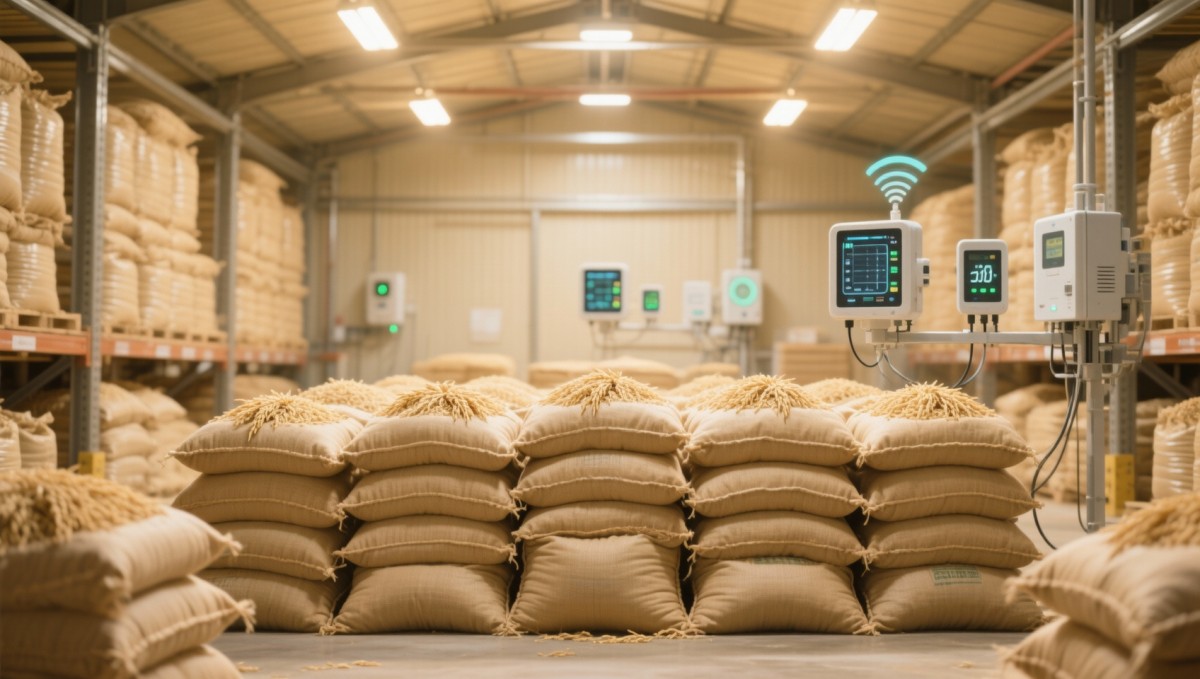
- Integration of provincial reserve data (temperature/humidity, AI-based pest alerts)
- Real-time coordination with railway logistics systems
Impact on Key Industries
Grain Trading & Storage
The mandatory IoT equipment deployment will require storage facilities to upgrade monitoring systems. Analysis shows smaller warehouses may face compliance costs, while larger operators could gain efficiency advantages through early digitalization.
Agricultural Logistics
Railway operators and cold chain providers should prepare for prioritized grain shipments during emergencies. The real-time logistics integration suggests tighter coordination between state reserves and transportation networks.
Agri-Tech Providers
Suppliers of grain monitoring sensors, AI analytics platforms, and satellite data services will see expanded market opportunities, particularly in the 13 initial provinces.
Actionable Insights for Businesses
Monitor Provincial Implementation Timelines
Enterprises should track rollout schedules across the 13 pilot provinces, as compliance deadlines may vary regionally.
Assess Supply Chain Readiness
Processors and traders need to evaluate whether current suppliers can meet the new digital reporting requirements for inventory quality.
Explore Technology Partnerships
Smaller storage operators may consider collaborating with agri-tech firms for cost-effective IoT solutions to meet compliance standards.
Industry Perspective
From an industry standpoint, this initiative signals three key developments:
- Policy Priority: The six-ministry involvement indicates cross-departmental coordination on food security
- Technology Adoption: The 95% monitoring target accelerates digitization in traditionally low-tech grain storage segments
- Market Reshaping: Real-time data transparency may eventually influence grain pricing mechanisms
Conclusion
This digital platform launch represents a strategic upgrade to China's grain security infrastructure rather than an immediate market disruptor. Businesses should view it as both a compliance requirement and a long-term efficiency driver, with phased impacts expected through 2026. The true operational implications will become clearer as provincial implementation details emerge.
Information Sources
- NDRC Official Notice (March 21, 2026)
- National Food and Strategic Reserves Administration Bulletin
- Note: Provincial-level implementation rules pending release
 How an industrial trade intelligence dashboard can identify new supplier marketsDiscover how an industrial trade intelligence dashboard helps identify new supplier markets by comparing capacity, landed cost, logistics resilience, and compliance risk.
 Which global market entry barriers should exporters assess first?Global market entry barriers exporters should assess first: tariffs, compliance, buyer qualification, logistics, and payment risk. Build a practical strategy for confident market entry.
 How trade data aggregation analytics can reveal emerging supplier marketsTrade data aggregation analytics reveals emerging supplier markets by connecting trade flows, capacity signals, logistics, and compliance insights for smarter sourcing decisions.
 When an export market analysis platform can validate demand in a new marketExport market analysis platform insights help validate new-market demand through buyer fit, regulations, logistics, competition, and profitable entry conditions.
 What is driving the beauty and personal care market in the USA?Beauty and personal care in USA is driven by targeted solutions, selective premiumization, digital discovery, clean-label trust, diverse needs, and compliance. Explore key growth opportunities.
 How trade flow monitoring reports reveal changing regional demandTrade flow monitoring reports reveal changing regional demand through import volumes, sourcing shifts, product mix, logistics signals, and regulatory trends. Explore actionable market insights.
 How international market intelligence for investors reduces market-entry riskInternational market intelligence for investors reduces market-entry risk by validating demand, regulations, logistics, and competition before capital is committed.
 How international sourcing intelligence helps identify supplier risk earlyInternational sourcing intelligence helps businesses spot supplier risks early, protect supply continuity, and make smarter global procurement decisions.
 How trade data aggregation analytics reveals emerging supplier marketsTrade data aggregation analytics reveals emerging supplier markets through export trends, input flows, logistics, and regulatory signals. Discover smarter sourcing insights.
 What industrial cluster monitoring in Vietnam reveals about site riskIndustrial cluster monitoring Vietnam reveals hidden site risks across labor, utilities, logistics, compliance, and supplier dependencies. Make smarter sourcing and expansion decisions.
 Food Technology Trends Reshaping Shelf Life, Safety, and Product InnovationFood technology is reshaping shelf life, safety, and innovation. Discover the trends helping food businesses cut risk, improve compliance, and unlock stronger global market growth.
 How electronics manufacturing services are changing with low-volume demandElectronics manufacturing services are evolving fast with low-volume demand. Learn how agile EMS partners improve flexibility, compliance, sourcing resilience, and speed to market.
 How Can Buyers Reduce Procurement Risks for Electronic Components?How to reduce procurement risks for electronic components: learn how buyers assess traceability, lead times, compliance, and supplier types to avoid costly sourcing mistakes.
 What Sourcing Intelligence India Reveals About Supplier Risk and Cost ShiftsSourcing intelligence India reveals hidden supplier risk, compliance gaps, logistics pressure, and real cost shifts—helping buyers compare vendors smarter and source with more confidence.
 Fashion Trends 2026: Which Materials, Colors, and Silhouettes Are Gaining Ground?Fashion trends 2026 spotlight tactile fabrics, mineral colors, and controlled volume. Explore the materials, shades, and silhouettes shaping smarter, more wearable style.
 Smart Device Market Outlook: Key Growth Drivers, Segments, and Business OpportunitiesSmart device market trends are shifting toward system value, industrial demand, and resilient supply chains. Explore key growth drivers, high-potential segments, and business opportunities.
 How Global Trade Intelligence Services Help B2B Firms Evaluate Markets and SuppliersGlobal trade intelligence services help B2B firms compare suppliers, assess market potential, and uncover compliance, logistics, and pricing risks before costly decisions are made.
 Manufacturing Sector Updates for Investors: What Signals Matter Most in 2025?Manufacturing sector updates for investors in 2025: track orders, margins, supply chains, regulation, and exports to spot resilient manufacturers and smarter investment signals.
 How Energy Market Intelligence Helps Businesses Track Price Risks and Demand ShiftsEnergy market intelligence helps businesses spot price risks, demand shifts, and supply pressure early—improving procurement, resilience, and faster strategic decisions.
 Precision Hardware Tools Market: Key Demand Drivers, Segments, and Growth OutlookPrecision hardware tools market trends are reshaping sourcing, compliance, and automation. Explore key demand drivers, segment shifts, regional supply patterns, and growth opportunities.
 How to Use Customs Import Data to Find Buyers, Track Competitors, and Spot Demand?Customs import data helps you find real buyers, track competitors, and spot demand shifts early. Learn practical ways to turn trade records into smarter global business decisions.





















Global Trade Insights & Industry
Our mission is to empower global exporters and importers with data-driven insights that foster strategic growth.
Search News
Popular Tags
Industry Overview
The global commercial kitchen equipment market is projected to reach $112 billion by 2027. Driven by urbanization, the rise of e-commerce food delivery, and strict hygiene regulations.