

Side Mirrors Replacement: OEM Fit or Aftermarket Savings?
When considering side mirrors replacement, many drivers face a common question: should you choose OEM precision or save money with aftermarket options? The right decision affects not only your budget, but also safety, appearance, and long-term performance. This guide explores the key differences to help you find the best fit for your vehicle and driving needs.
If you want the short answer, OEM is usually the safest choice for perfect fit, factory features, and predictable quality. Aftermarket can be a smart buy when cost matters most.
The best option depends on your vehicle’s age, the mirror’s built-in technology, your insurance situation, and how long you plan to keep the car. Price alone should not decide.
What drivers are really trying to figure out
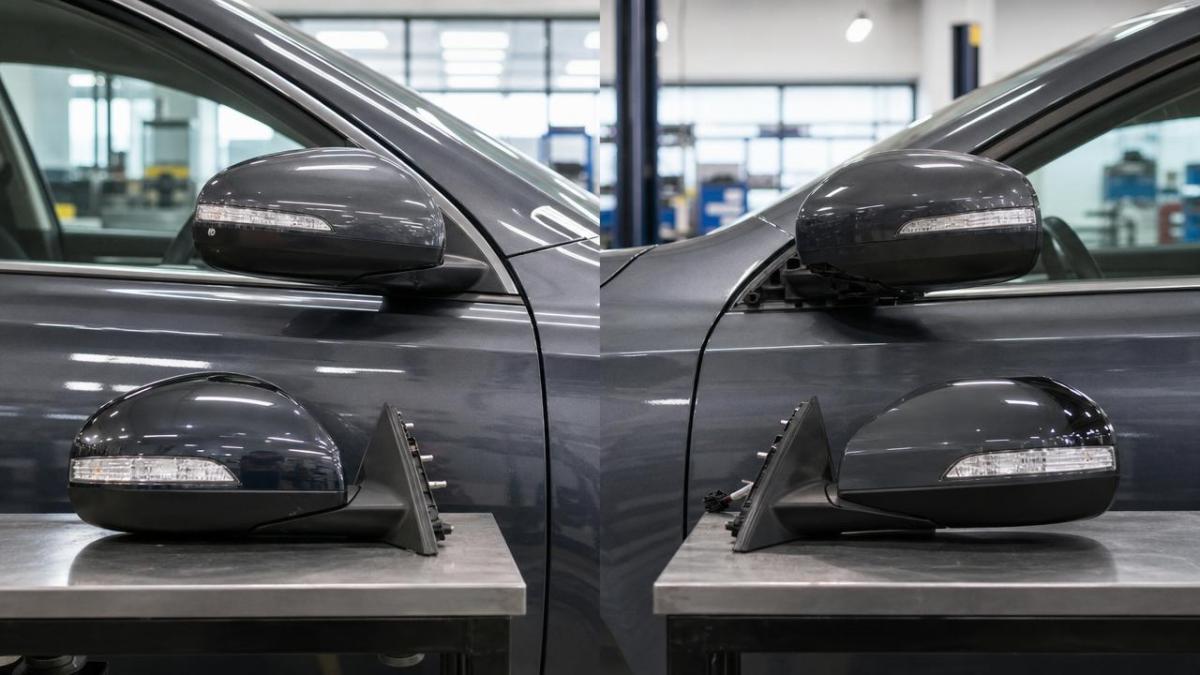
People searching for side mirrors replacement usually want more than a basic definition. They want to know which option fits correctly, looks right, works safely, and avoids wasting money.
They also worry about hidden issues. Will the replacement match the paint? Will power folding, heating, blind spot alerts, or camera functions still work without glitches?
For most consumers, the real question is practical: is the cheaper part good enough, or will it create installation trouble, vibration, wind noise, or poor visibility later?
OEM vs aftermarket: the simplest way to understand the difference
OEM means Original Equipment Manufacturer. In plain terms, it is a part made to the same specification as the mirror your car had when it left the factory.
Aftermarket means a replacement part made by a company other than the vehicle brand. Some aftermarket mirrors are excellent, while others are built to lower cost targets.
That quality range is the biggest difference. With OEM, consistency is the main advantage. With aftermarket, savings are the main attraction, but quality can vary widely between brands.
When OEM side mirrors replacement is usually worth the higher price
OEM often makes the most sense if your vehicle is newer, higher in value, or equipped with advanced mirror features. The more technology involved, the more fit and calibration matter.
If your mirror includes blind spot monitoring, integrated turn signals, memory positioning, auto-dimming glass, surround-view cameras, or power folding, OEM reduces compatibility risk significantly.
It is also the better option if you care about exact paint match, panel gaps, and original appearance. Owners of leased cars often prefer OEM to avoid return-condition disputes.
Another strong case for OEM is when you want quick, predictable installation. Shops are less likely to run into bracket differences, wiring issues, or missing connectors with factory-spec parts.
When aftermarket side mirrors replacement can be the smarter buy
Aftermarket can be a practical choice if you drive an older car, need a basic mirror assembly, or simply cannot justify the premium price of an OEM replacement.
For vehicles with simple manual or standard power mirrors, a well-reviewed aftermarket part may perform perfectly well. In those cases, spending far more does not always add meaningful value.
It can also be the best route when the car’s market value is low. Putting an expensive OEM mirror on a budget commuter may not make financial sense.
Some aftermarket suppliers also offer painted options, towing mirror upgrades, or wider selections than the dealer. If you choose carefully, you can save money without sacrificing function.
The biggest risk with aftermarket parts is not always quality alone
Many buyers assume the only concern is durability, but fitment errors cause just as many problems. A mirror may look correct online yet arrive with the wrong connector or mounting points.
Even if it bolts on, small differences can affect daily use. Common complaints include shaking at highway speed, glass distortion, poor folding action, or uneven adjustment ranges.
On feature-rich vehicles, the wrong aftermarket mirror may trigger warning lights or disable certain functions. That is why compatibility details matter as much as the advertised price.
Return policies also matter. A cheap part becomes expensive if your shop charges labor twice because the first mirror did not fit correctly or needed modification.
How to compare cost the right way
Do not compare sticker prices alone. Compare the total replacement cost, including shipping, paint, installation, programming, calibration, and the risk of needing another part later.
An OEM mirror may cost more upfront but save time and labor. An aftermarket mirror may cost less initially but become less attractive if fitment is inconsistent or extra work is required.
Insurance can change the equation. If your mirror was damaged in an accident, your policy may cover replacement. In some claims, the insurer may specify aftermarket unless OEM is justified.
Ask what is actually included. Some assemblies come with housing, glass, and electronics. Others require transferring caps, glass, motors, or sensors from the original mirror.
Safety should come before savings
Side mirrors are not cosmetic extras. They are a core visibility and safety component, especially during lane changes, reversing, and parking in dense traffic.
If the mirror vibrates, distorts objects, or adjusts poorly, it can affect reaction time and depth judgment. That matters more than saving a modest amount on the replacement part.
Drivers should be especially careful when replacing mirrors with integrated safety systems. Blind spot monitoring and camera-assisted visibility depend on proper hardware alignment and signal communication.
If your car uses mirror-mounted sensors, ask whether calibration is required after installation. A part that physically fits is not automatically ready to deliver safe system performance.
How to decide based on your vehicle and priorities
If your top priority is exact fit, long-term confidence, and full feature retention, OEM is the better choice. This is especially true for newer cars and premium trims.
If your priority is reducing repair cost on an older daily driver, aftermarket may be completely reasonable. Focus on reputable brands, verified fitment, and strong buyer feedback.
If appearance matters most, compare paint quality and housing texture carefully. If function matters most, verify every electrical and mechanical feature before ordering.
If you are unsure, use this simple rule: the more complex the mirror, the stronger the case for OEM. The simpler the mirror, the more attractive aftermarket becomes.
Questions to ask before you buy any replacement mirror
First, what exact features does your original mirror have? Check for heating, turn signal, power folding, memory, puddle light, camera, auto-dimming, and blind spot functions.
Second, are you buying a complete assembly or only part of one? Many order mistakes happen because buyers assume the glass, painted cap, or electronics are included.
Third, is the part confirmed for your trim level and production year? Even within the same model, connector types and option packages can differ.
Fourth, who is installing it? If a repair shop is doing the job, ask which brands they trust and whether they will warranty labor if the part arrives defective.
Signs of a good aftermarket mirror
Not all aftermarket parts are low quality. The better ones usually provide precise fitment data, clear feature listings, solid packaging, and consistent customer reviews across multiple sellers.
Look for suppliers that specialize in body or lighting components rather than generic marketplace listings with vague descriptions. Better documentation often reflects better manufacturing control.
A worthwhile aftermarket mirror should also come with a real warranty and return support. That does not guarantee perfection, but it shows the seller expects the part to perform.
If possible, compare photos of mounting points, connector shape, and housing design with your original mirror before ordering. That extra step can prevent frustrating delays.
Should you replace one mirror or both?
In most cases, replacing one damaged mirror is enough. There is no mechanical reason to replace both unless the other side is also worn, broken, or badly faded.
However, if one mirror is heavily weathered and you care about symmetry, a new part may make the older side look noticeably aged. That is mainly a cosmetic consideration.
On older cars, some drivers replace both only when matching paint or finish becomes difficult. If budget matters, prioritize safe operation over appearance balance.
Final verdict: OEM fit or aftermarket savings?
For side mirrors replacement, OEM is usually best when safety features, exact fit, and hassle-free installation matter most. It costs more, but it often reduces risk and uncertainty.
Aftermarket is often the better value when the mirror is basic, the car is older, and you buy from a reputable brand with confirmed compatibility and solid warranty support.
The smartest decision is not the cheapest or most expensive one. It is the option that matches your vehicle’s complexity, your budget, and your expectations for reliability and finish.
Before you buy, verify the features, confirm fitment by VIN or trim, and calculate total installed cost. That approach leads to a replacement mirror you will not regret later.
 Which global manufacturing trends by sector matter most for sourcing plans?Global manufacturing trends by sector: identify sourcing risks, supplier resilience, compliance demands, and cost drivers to build smarter, more reliable procurement plans.
 What industrial trade intelligence pricing should include before you subscribeIndustrial trade intelligence pricing explained: compare coverage, data quality, access rights, and workflow value before choosing a subscription that supports smarter trade decisions.
 How an industrial trade intelligence dashboard can identify new supplier marketsDiscover how an industrial trade intelligence dashboard helps identify new supplier markets by comparing capacity, landed cost, logistics resilience, and compliance risk.
 Which global market entry barriers should exporters assess first?Global market entry barriers exporters should assess first: tariffs, compliance, buyer qualification, logistics, and payment risk. Build a practical strategy for confident market entry.
 How trade data aggregation analytics can reveal emerging supplier marketsTrade data aggregation analytics reveals emerging supplier markets by connecting trade flows, capacity signals, logistics, and compliance insights for smarter sourcing decisions.
 When an export market analysis platform can validate demand in a new marketExport market analysis platform insights help validate new-market demand through buyer fit, regulations, logistics, competition, and profitable entry conditions.
 What is driving the beauty and personal care market in the USA?Beauty and personal care in USA is driven by targeted solutions, selective premiumization, digital discovery, clean-label trust, diverse needs, and compliance. Explore key growth opportunities.
 How trade flow monitoring reports reveal changing regional demandTrade flow monitoring reports reveal changing regional demand through import volumes, sourcing shifts, product mix, logistics signals, and regulatory trends. Explore actionable market insights.
 How international market intelligence for investors reduces market-entry riskInternational market intelligence for investors reduces market-entry risk by validating demand, regulations, logistics, and competition before capital is committed.
 How international sourcing intelligence helps identify supplier risk earlyInternational sourcing intelligence helps businesses spot supplier risks early, protect supply continuity, and make smarter global procurement decisions.
 How trade data aggregation analytics reveals emerging supplier marketsTrade data aggregation analytics reveals emerging supplier markets through export trends, input flows, logistics, and regulatory signals. Discover smarter sourcing insights.
 What industrial cluster monitoring in Vietnam reveals about site riskIndustrial cluster monitoring Vietnam reveals hidden site risks across labor, utilities, logistics, compliance, and supplier dependencies. Make smarter sourcing and expansion decisions.
 Food Technology Trends Reshaping Shelf Life, Safety, and Product InnovationFood technology is reshaping shelf life, safety, and innovation. Discover the trends helping food businesses cut risk, improve compliance, and unlock stronger global market growth.
 How electronics manufacturing services are changing with low-volume demandElectronics manufacturing services are evolving fast with low-volume demand. Learn how agile EMS partners improve flexibility, compliance, sourcing resilience, and speed to market.
 How Can Buyers Reduce Procurement Risks for Electronic Components?How to reduce procurement risks for electronic components: learn how buyers assess traceability, lead times, compliance, and supplier types to avoid costly sourcing mistakes.
 What Sourcing Intelligence India Reveals About Supplier Risk and Cost ShiftsSourcing intelligence India reveals hidden supplier risk, compliance gaps, logistics pressure, and real cost shifts—helping buyers compare vendors smarter and source with more confidence.
 Fashion Trends 2026: Which Materials, Colors, and Silhouettes Are Gaining Ground?Fashion trends 2026 spotlight tactile fabrics, mineral colors, and controlled volume. Explore the materials, shades, and silhouettes shaping smarter, more wearable style.
 Smart Device Market Outlook: Key Growth Drivers, Segments, and Business OpportunitiesSmart device market trends are shifting toward system value, industrial demand, and resilient supply chains. Explore key growth drivers, high-potential segments, and business opportunities.
 How Global Trade Intelligence Services Help B2B Firms Evaluate Markets and SuppliersGlobal trade intelligence services help B2B firms compare suppliers, assess market potential, and uncover compliance, logistics, and pricing risks before costly decisions are made.
 Manufacturing Sector Updates for Investors: What Signals Matter Most in 2025?Manufacturing sector updates for investors in 2025: track orders, margins, supply chains, regulation, and exports to spot resilient manufacturers and smarter investment signals.
 How Energy Market Intelligence Helps Businesses Track Price Risks and Demand ShiftsEnergy market intelligence helps businesses spot price risks, demand shifts, and supply pressure early—improving procurement, resilience, and faster strategic decisions.





















Global Trade Insights & Industry
Our mission is to empower global exporters and importers with data-driven insights that foster strategic growth.
Search News
Popular Tags
Industry Overview
The global commercial kitchen equipment market is projected to reach $112 billion by 2027. Driven by urbanization, the rise of e-commerce food delivery, and strict hygiene regulations.