

Indonesia Launches EV Subsidy Policy for E-Bikes and Swappable Batteries from June 2026
Starting 1 June 2026, Indonesia will implement a new electric vehicle subsidy policy focused on two- and three-wheeled electric vehicles and battery-swapping infrastructure—creating near-term export opportunities for Chinese manufacturers of EV accessories, lithium iron phosphate (LFP) battery modules, and aftermarket parts such as frames and controllers.
Event Overview
Indonesia’s Minister of Finance announced that, effective 1 June 2026, a new round of electric vehicle purchase subsidies will be introduced. The policy specifically targets two- and three-wheeled electric vehicles and promotes battery-swapping models. Eligible products must comply with Indonesia’s SNI safety standards for electric vehicles; certification is estimated to take approximately 45 days.
Industries Affected
Direct Exporters of EV Accessories
Manufacturers exporting charging interfaces, battery pack structural components, and similar accessories to Indonesia may see increased order volume, as the subsidy policy directly stimulates demand for compatible hardware in subsidized vehicle models.
Lithium Battery Module Suppliers
Suppliers of LFP battery modules—particularly those designed for two- and three-wheeled applications—are likely to experience higher inquiry and procurement activity, given the policy’s emphasis on swappable battery systems requiring standardized, certified modules.
Aftermarket Parts Producers
Producers of vehicle frames, controllers, and other non-OEM replacement or upgrade components may benefit from expanded fleet maintenance and retrofitting needs arising from rapid adoption of subsidized e-vehicles.
Supply Chain Certification & Compliance Service Providers
Third-party testing, certification support, and regulatory advisory firms specializing in SNI compliance may see elevated demand, as exporters prepare for the mandatory 45-day certification window ahead of subsidy eligibility.
Key Considerations and Recommended Actions
Monitor Official Implementation Guidelines
While the policy start date (1 June 2026) and scope (two-/three-wheeled EVs, swappable batteries) are confirmed, details such as subsidy amounts per unit, application procedures for importers, and eligibility criteria for foreign suppliers remain pending. Stakeholders should track updates from Indonesia’s Ministry of Finance and National Standardization Agency (BSN).
Prioritize SNI Certification Readiness for High-Potential SKUs
Given the ~45-day certification timeline, exporters should identify priority product lines—e.g., common 48V/60V LFP modules, universal charging connectors, or modular frame kits—and initiate SNI documentation and lab testing well ahead of June 2026 to avoid delays in market entry.
Distinguish Between Policy Signal and Commercial Activation
Analysis shows this policy functions primarily as a demand-side catalyst—not an immediate procurement mandate. Its impact will depend on downstream rollout speed by Indonesian distributors, financing partners, and local assembly entities. Exporters should align commercial timelines with observed local implementation milestones, not just the national policy date.
Review Supply Chain Flexibility for Regional Compliance Requirements
Since SNI certification applies at the product level—not per shipment—exporters should assess whether existing production lines can accommodate minor design or labeling adjustments required for SNI alignment, and confirm whether certified units can also serve adjacent ASEAN markets with overlapping standards (e.g., Thailand TISI or Malaysia MS).
Editorial Observation / Industry Perspective
Observably, this policy is best understood as a targeted regulatory signal rather than an already activated export channel. It reflects Indonesia’s strategic shift toward localized electrification of short-distance mobility—where cost-sensitive, high-volume two- and three-wheeled platforms dominate. From an industry perspective, the emphasis on swappable batteries suggests growing recognition of infrastructure constraints in urban and peri-urban areas, making modularity and standardization more commercially relevant than ever. Current relevance lies less in immediate revenue uplift and more in early positioning: companies that complete SNI certification ahead of launch may gain preferential access to pilot programs or first-mover partnerships with Indonesian importers and fleet operators.
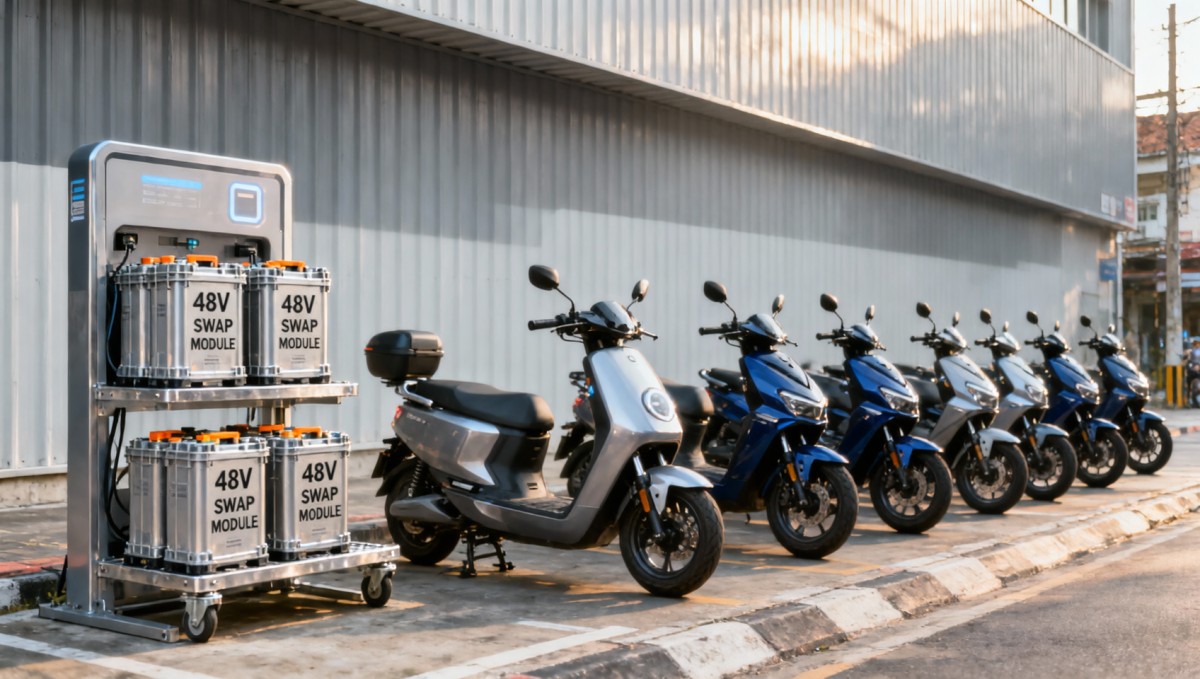
Indonesia’s new EV subsidy policy signals a deliberate expansion of electrified two- and three-wheeled transport, with tangible implications for specific segments of China’s EV component supply chain. At present, it functions more as a preparatory inflection point than a fully operational market opportunity—its real-world impact will hinge on timely certification, local partner readiness, and actual uptake of subsidized vehicles beyond initial announcements.
Source: Announcement by Indonesia’s Minister of Finance (public statement, date unspecified but referencing 1 June 2026 implementation); SNI electric vehicle safety standard requirements confirmed via official BSN documentation (standard number not disclosed in source material). Note: Details on subsidy value, application process, and importer eligibility criteria remain under development and require ongoing monitoring.
 Which global manufacturing trends by sector matter most for sourcing plans?Global manufacturing trends by sector: identify sourcing risks, supplier resilience, compliance demands, and cost drivers to build smarter, more reliable procurement plans.
 What industrial trade intelligence pricing should include before you subscribeIndustrial trade intelligence pricing explained: compare coverage, data quality, access rights, and workflow value before choosing a subscription that supports smarter trade decisions.
 How an industrial trade intelligence dashboard can identify new supplier marketsDiscover how an industrial trade intelligence dashboard helps identify new supplier markets by comparing capacity, landed cost, logistics resilience, and compliance risk.
 Which global market entry barriers should exporters assess first?Global market entry barriers exporters should assess first: tariffs, compliance, buyer qualification, logistics, and payment risk. Build a practical strategy for confident market entry.
 How trade data aggregation analytics can reveal emerging supplier marketsTrade data aggregation analytics reveals emerging supplier markets by connecting trade flows, capacity signals, logistics, and compliance insights for smarter sourcing decisions.
 When an export market analysis platform can validate demand in a new marketExport market analysis platform insights help validate new-market demand through buyer fit, regulations, logistics, competition, and profitable entry conditions.
 What is driving the beauty and personal care market in the USA?Beauty and personal care in USA is driven by targeted solutions, selective premiumization, digital discovery, clean-label trust, diverse needs, and compliance. Explore key growth opportunities.
 How trade flow monitoring reports reveal changing regional demandTrade flow monitoring reports reveal changing regional demand through import volumes, sourcing shifts, product mix, logistics signals, and regulatory trends. Explore actionable market insights.
 How international market intelligence for investors reduces market-entry riskInternational market intelligence for investors reduces market-entry risk by validating demand, regulations, logistics, and competition before capital is committed.
 How international sourcing intelligence helps identify supplier risk earlyInternational sourcing intelligence helps businesses spot supplier risks early, protect supply continuity, and make smarter global procurement decisions.
 How trade data aggregation analytics reveals emerging supplier marketsTrade data aggregation analytics reveals emerging supplier markets through export trends, input flows, logistics, and regulatory signals. Discover smarter sourcing insights.
 What industrial cluster monitoring in Vietnam reveals about site riskIndustrial cluster monitoring Vietnam reveals hidden site risks across labor, utilities, logistics, compliance, and supplier dependencies. Make smarter sourcing and expansion decisions.
 Food Technology Trends Reshaping Shelf Life, Safety, and Product InnovationFood technology is reshaping shelf life, safety, and innovation. Discover the trends helping food businesses cut risk, improve compliance, and unlock stronger global market growth.
 How electronics manufacturing services are changing with low-volume demandElectronics manufacturing services are evolving fast with low-volume demand. Learn how agile EMS partners improve flexibility, compliance, sourcing resilience, and speed to market.
 How Can Buyers Reduce Procurement Risks for Electronic Components?How to reduce procurement risks for electronic components: learn how buyers assess traceability, lead times, compliance, and supplier types to avoid costly sourcing mistakes.
 What Sourcing Intelligence India Reveals About Supplier Risk and Cost ShiftsSourcing intelligence India reveals hidden supplier risk, compliance gaps, logistics pressure, and real cost shifts—helping buyers compare vendors smarter and source with more confidence.
 Fashion Trends 2026: Which Materials, Colors, and Silhouettes Are Gaining Ground?Fashion trends 2026 spotlight tactile fabrics, mineral colors, and controlled volume. Explore the materials, shades, and silhouettes shaping smarter, more wearable style.
 Smart Device Market Outlook: Key Growth Drivers, Segments, and Business OpportunitiesSmart device market trends are shifting toward system value, industrial demand, and resilient supply chains. Explore key growth drivers, high-potential segments, and business opportunities.
 How Global Trade Intelligence Services Help B2B Firms Evaluate Markets and SuppliersGlobal trade intelligence services help B2B firms compare suppliers, assess market potential, and uncover compliance, logistics, and pricing risks before costly decisions are made.
 Manufacturing Sector Updates for Investors: What Signals Matter Most in 2025?Manufacturing sector updates for investors in 2025: track orders, margins, supply chains, regulation, and exports to spot resilient manufacturers and smarter investment signals.
 How Energy Market Intelligence Helps Businesses Track Price Risks and Demand ShiftsEnergy market intelligence helps businesses spot price risks, demand shifts, and supply pressure early—improving procurement, resilience, and faster strategic decisions.





















Global Trade Insights & Industry
Our mission is to empower global exporters and importers with data-driven insights that foster strategic growth.
Search News
Popular Tags
Industry Overview
The global commercial kitchen equipment market is projected to reach $112 billion by 2027. Driven by urbanization, the rise of e-commerce food delivery, and strict hygiene regulations.