

Australia Enforces RCM Certification, Replacing SAA for Electrical Imports
Australia has strengthened enforcement of the Regulatory Compliance Mark (RCM) certification effective 22 May 2026. All electrical products entering the Australian market must now comply simultaneously with safety standards AS/NZS 60335 and electromagnetic compatibility (EMC) standards AS/NZS 61000 series — verified and certified by an Australian-registered conformity assessment body. This change directly affects exporters of small household appliances, power adapters, and smart lighting from China and other manufacturing regions.
Event Overview
Effective 22 May 2026, Australia formally intensified mandatory application of the RCM mark. Under the updated requirement, all electrical equipment placed on the Australian market must hold a valid RCM certificate confirming compliance with both AS/NZS 60335 (safety) and AS/NZS 61000-series (EMC) standards. The SAA mark is no longer accepted as evidence of regulatory compliance; it may only be issued as a standalone safety test report and carries no legal import or sale validity in Australia.
Industries Affected
Direct Exporters (OEM/ODM Manufacturers)
Manufacturers exporting electrical goods — especially those producing small household appliances, power adapters, and smart lighting — are directly impacted because their products must now undergo dual-certification (safety + EMC) before shipment. Previously, some exporters relied solely on SAA safety reports without full EMC assessment; this pathway is no longer permissible. Impact includes extended product launch timelines, revised testing budgets, and potential delays in customs clearance if RCM certification is incomplete.
Supply Chain Service Providers (Testing Labs & Certification Bodies)
Third-party labs and certification service providers accredited in Australia must now manage increased demand for integrated safety and EMC evaluations. Their scope of work shifts from offering separate SAA safety reports to delivering end-to-end RCM-compliant assessments. Impact includes higher workload for EMC testing capacity, tighter coordination between safety and EMC test teams, and potential bottlenecks if demand outpaces registered body capacity.
Importers & Distributors in Australia
Australian importers and distributors are responsible for ensuring RCM compliance before placing products on the market. They can no longer accept goods accompanied only by SAA safety documentation. Impact includes heightened due diligence requirements, revised supplier qualification criteria, and exposure to non-compliance penalties (e.g., product recalls, fines, or market withdrawal) if RCM certification is missing or invalid.
What Enterprises and Practitioners Should Monitor and Do Now
Track official updates from the Australian Communications and Media Authority (ACMA) and the Electrical Equipment Safety System (EESS)
The ACMA administers the RCM framework, while EESS maintains the national database of registered suppliers and certified models. Enterprises should monitor any clarifications on transition timelines, grandfathering provisions (if any), or updated guidance for legacy SAA reports submitted prior to 22 May 2026.
Verify RCM eligibility of current and upcoming product lines — especially high-volume export categories
Small appliances, power adapters, and smart lighting represent priority categories given their prevalence in China-Australia trade and historically variable EMC compliance rates. Exporters should audit existing product certifications and initiate RCM applications well ahead of planned shipping dates to avoid supply chain disruption.
Distinguish between policy announcement and operational readiness
While the 22 May 2026 date marks formal enforcement, actual implementation depends on registration status in EESS and availability of accredited testing capacity. Enterprises should treat the date as a hard deadline for documentation submission, not just testing initiation — meaning EMC test planning and lab booking must begin now, not later this year.
Align internal procurement, quality assurance, and technical documentation workflows with dual-standard requirements
Product development teams must integrate both AS/NZS 60335 and AS/NZS 61000-series design considerations from early stages. Procurement of components (e.g., switching power supplies, wireless modules) should require pre-verified EMC performance data. QA departments need updated checklists covering RCM-specific labeling, user manual statements, and EESS registration records.
Editorial Perspective / Industry Observation
Observably, this shift signals Australia’s move toward harmonized, risk-based market surveillance — aligning more closely with EU CE and UKCA frameworks where safety and EMC are treated as interdependent compliance pillars. Analysis shows the removal of SAA’s de facto准入 role reflects growing regulatory scrutiny of EMC-related interference risks in increasingly connected home environments. From an industry perspective, this is less a sudden policy shock and more a formalization of long-anticipated expectations: the 22 May 2026 date crystallizes what many forward-looking exporters had already begun implementing. However, the pace of adoption across mid-tier and SME exporters remains uneven — making proactive alignment critical rather than optional.
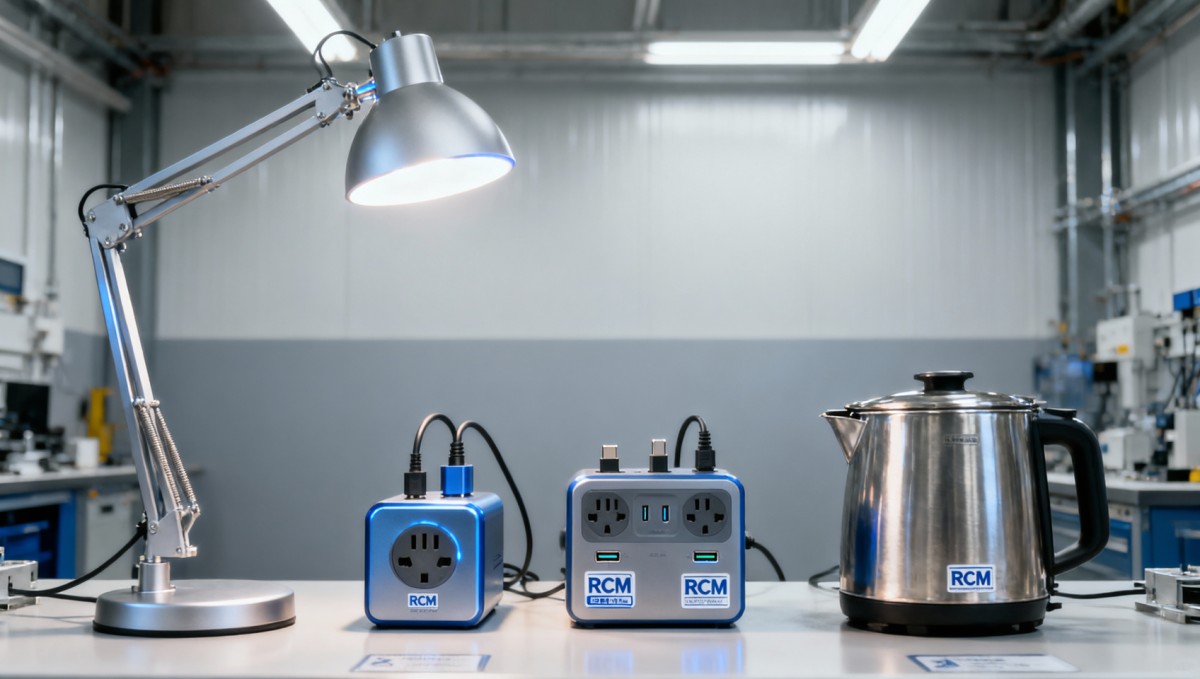
Conclusion: This update does not introduce new technical standards but consolidates enforcement of existing dual requirements under a single, legally binding mark. It underscores that compliance is now a coordinated, end-to-end process — not a collection of isolated test reports. For affected enterprises, the change is best understood not as a one-time certification hurdle, but as a structural recalibration of how product compliance is planned, executed, and verified across the export lifecycle.
Source Information:
– Official notices issued by the Australian Communications and Media Authority (ACMA), effective 22 May 2026
– Electrical Equipment Safety System (EESS) public registry guidelines
Note: Ongoing observation is recommended regarding possible transitional arrangements for products already in transit or under pre-22 May 2026 certification review — such provisions have not been publicly confirmed as of the event date.
 Which global manufacturing trends by sector matter most for sourcing plans?Global manufacturing trends by sector: identify sourcing risks, supplier resilience, compliance demands, and cost drivers to build smarter, more reliable procurement plans.
 What industrial trade intelligence pricing should include before you subscribeIndustrial trade intelligence pricing explained: compare coverage, data quality, access rights, and workflow value before choosing a subscription that supports smarter trade decisions.
 How an industrial trade intelligence dashboard can identify new supplier marketsDiscover how an industrial trade intelligence dashboard helps identify new supplier markets by comparing capacity, landed cost, logistics resilience, and compliance risk.
 Which global market entry barriers should exporters assess first?Global market entry barriers exporters should assess first: tariffs, compliance, buyer qualification, logistics, and payment risk. Build a practical strategy for confident market entry.
 How trade data aggregation analytics can reveal emerging supplier marketsTrade data aggregation analytics reveals emerging supplier markets by connecting trade flows, capacity signals, logistics, and compliance insights for smarter sourcing decisions.
 When an export market analysis platform can validate demand in a new marketExport market analysis platform insights help validate new-market demand through buyer fit, regulations, logistics, competition, and profitable entry conditions.
 What is driving the beauty and personal care market in the USA?Beauty and personal care in USA is driven by targeted solutions, selective premiumization, digital discovery, clean-label trust, diverse needs, and compliance. Explore key growth opportunities.
 How trade flow monitoring reports reveal changing regional demandTrade flow monitoring reports reveal changing regional demand through import volumes, sourcing shifts, product mix, logistics signals, and regulatory trends. Explore actionable market insights.
 How international market intelligence for investors reduces market-entry riskInternational market intelligence for investors reduces market-entry risk by validating demand, regulations, logistics, and competition before capital is committed.
 How international sourcing intelligence helps identify supplier risk earlyInternational sourcing intelligence helps businesses spot supplier risks early, protect supply continuity, and make smarter global procurement decisions.
 How trade data aggregation analytics reveals emerging supplier marketsTrade data aggregation analytics reveals emerging supplier markets through export trends, input flows, logistics, and regulatory signals. Discover smarter sourcing insights.
 What industrial cluster monitoring in Vietnam reveals about site riskIndustrial cluster monitoring Vietnam reveals hidden site risks across labor, utilities, logistics, compliance, and supplier dependencies. Make smarter sourcing and expansion decisions.
 Food Technology Trends Reshaping Shelf Life, Safety, and Product InnovationFood technology is reshaping shelf life, safety, and innovation. Discover the trends helping food businesses cut risk, improve compliance, and unlock stronger global market growth.
 How electronics manufacturing services are changing with low-volume demandElectronics manufacturing services are evolving fast with low-volume demand. Learn how agile EMS partners improve flexibility, compliance, sourcing resilience, and speed to market.
 How Can Buyers Reduce Procurement Risks for Electronic Components?How to reduce procurement risks for electronic components: learn how buyers assess traceability, lead times, compliance, and supplier types to avoid costly sourcing mistakes.
 What Sourcing Intelligence India Reveals About Supplier Risk and Cost ShiftsSourcing intelligence India reveals hidden supplier risk, compliance gaps, logistics pressure, and real cost shifts—helping buyers compare vendors smarter and source with more confidence.
 Fashion Trends 2026: Which Materials, Colors, and Silhouettes Are Gaining Ground?Fashion trends 2026 spotlight tactile fabrics, mineral colors, and controlled volume. Explore the materials, shades, and silhouettes shaping smarter, more wearable style.
 Smart Device Market Outlook: Key Growth Drivers, Segments, and Business OpportunitiesSmart device market trends are shifting toward system value, industrial demand, and resilient supply chains. Explore key growth drivers, high-potential segments, and business opportunities.
 How Global Trade Intelligence Services Help B2B Firms Evaluate Markets and SuppliersGlobal trade intelligence services help B2B firms compare suppliers, assess market potential, and uncover compliance, logistics, and pricing risks before costly decisions are made.
 Manufacturing Sector Updates for Investors: What Signals Matter Most in 2025?Manufacturing sector updates for investors in 2025: track orders, margins, supply chains, regulation, and exports to spot resilient manufacturers and smarter investment signals.
 How Energy Market Intelligence Helps Businesses Track Price Risks and Demand ShiftsEnergy market intelligence helps businesses spot price risks, demand shifts, and supply pressure early—improving procurement, resilience, and faster strategic decisions.





















Global Trade Insights & Industry
Our mission is to empower global exporters and importers with data-driven insights that foster strategic growth.
Search News
Popular Tags
Industry Overview
The global commercial kitchen equipment market is projected to reach $112 billion by 2027. Driven by urbanization, the rise of e-commerce food delivery, and strict hygiene regulations.