
How to verify toy safety certificates when buying STEM toys wholesale
When buying STEM toys wholesale, a certificate is useful only if it supports the safety of the exact product being ordered for the intended market. A document for a similar science kit, an earlier model, or a different set of materials can leave a buyer with little evidence about the goods that arrive.
A sound review connects four things: the finished toy and its components, the requirements that apply where it will be sold, the underlying test evidence, and the party responsible for declaring compliance. Procurement teams should make that connection before approving a sample or releasing a purchase order.
Start with the exact toy, market, and intended user
Ask the supplier for a complete product description before reviewing certificates. Record the model number, intended age range, instructions, packaging, component list, materials, power source, and any accessories supplied with the toy. If the product comes in multiple colors or configurations, identify which versions will be purchased.
STEM toys can combine risks that appear in different parts of the product. A robotics kit may contain small mechanical pieces, batteries, wires, and electronic components. A chemistry set may include substances, containers, protective equipment, and instructions. A building kit may seem simple but still require scrutiny of detachable parts, accessible materials, and age labeling.
The destination market matters as much as the product. A test package prepared for one jurisdiction does not automatically satisfy another jurisdiction’s requirements. Even within one market, the relevant obligations depend on the product’s features, intended users, and how it is presented for sale.
Use the supplier’s proposed age grading as a starting point, not the sole basis for classification. A label aimed at older children does not necessarily settle the question if the design, play value, or marketing indicates that younger children are likely users. Resolve such differences before choosing the test plan.
Build a document package that can be traced to the order
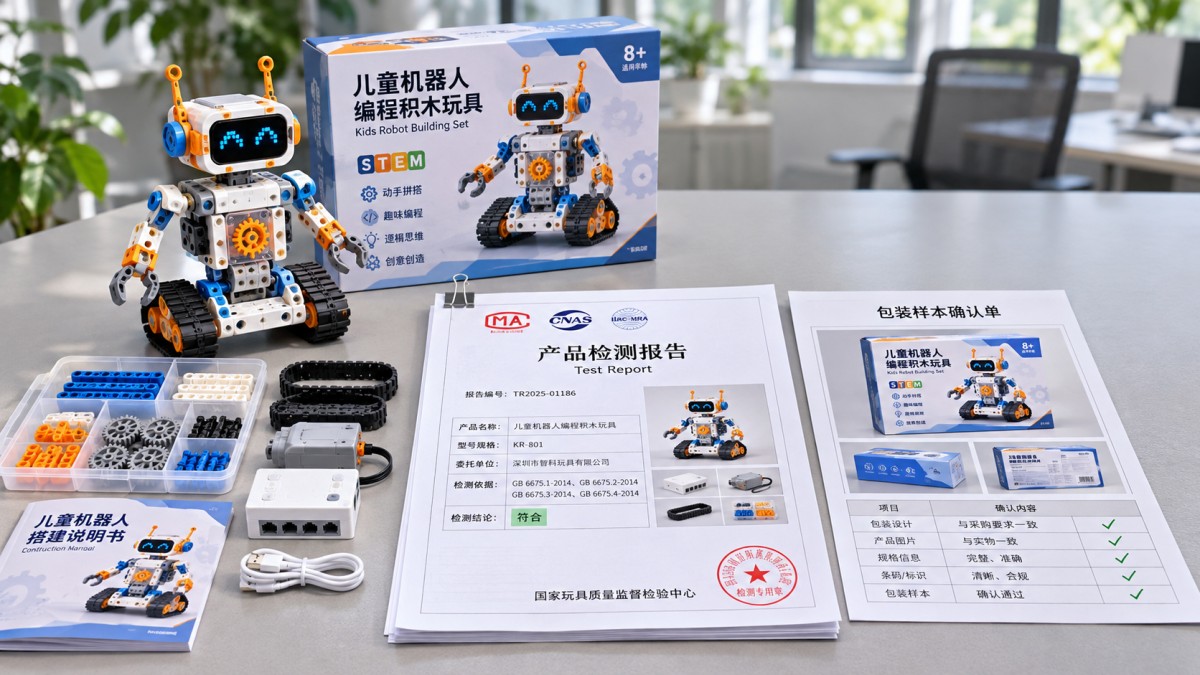
Suppliers often use “certificate” to describe several different documents. Each serves a different purpose. A certificate or declaration may state that a product meets specified requirements; a test report records what was tested, how it was assessed, and the results. A laboratory accreditation record describes the laboratory’s recognized competence within a defined scope. None of these documents alone proves that every unit in a shipment matches the tested sample.
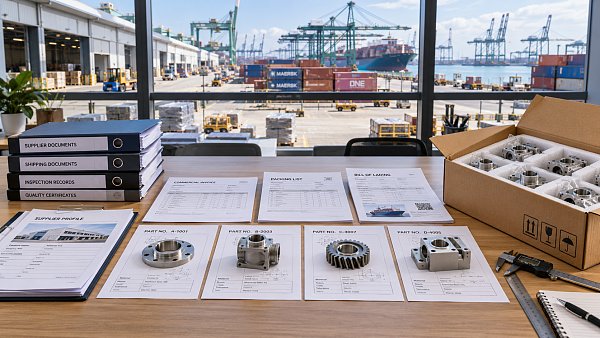
For each STEM toy wholesale order, request a traceable package containing:
- Product identification: model numbers, photographs, specifications, component lists, and packaging artwork for the ordered version.
- Applicable declarations or certificates: documents identifying the responsible business, product, relevant requirements, and supporting test information where applicable.
- Complete test reports: reports with sample identification, test scope, methods, results, dates, laboratory details, and any appendices or photographs needed to identify the sample.
- Laboratory credentials: accreditation details and the relevant scope for the tests being relied on.
- Change and production records: information showing how the tested configuration relates to current production, including material or component substitutions.
A one-page summary can help locate a report, but it rarely provides enough detail to judge sample identity or test coverage. If a supplier supplies only a logo, badge, or certificate image, request the supporting report and the identification records that connect it to the order.
Check whether the evidence covers the finished STEM toy
Start with the report’s sample description and photographs. Compare them with the approved sample, bill of materials, instructions, and packaging. Product names may be broad, so look for model identifiers, visible differences, included accessories, and the number and type of components.
Then read the scope and results. A report may cover only mechanical hazards, only certain materials, or only an electrical component. Passing one part of an assessment does not establish compliance for the complete toy. For example, evidence for a battery holder does not by itself address the assembled product’s accessible parts, labeling, or other applicable risks.
Where a report covers a product family, ask how the supplier selected the representative sample. Grouping variants can be reasonable when the relevant design, materials, and components are the same. It becomes less persuasive when variants introduce different magnets, coatings, electronic modules, chemicals, or age recommendations. Request evidence that addresses those differences rather than assuming every model is covered.
Pay particular attention to exclusions, conditional results, and failed items. A report showing a failure is not repaired by a later marketing statement. The supplier should identify the corrective action and provide evidence that the affected configuration was reassessed. Also check whether the instructions and warnings evaluated with the sample match the language and artwork planned for the destination market.
Match the compliance route to the destination market
The same toy may need different documentation depending on where it is placed on the market. The following comparison gives buyers a practical starting point for discussing the compliance package with suppliers.
In the United States, a Children’s Product Certificate is issued by the domestic manufacturer or importer; the testing laboratory does not issue it on that business’s behalf. Check that the certificate identifies the product and applicable rules and connects to the required testing. A factory’s general quality certificate is not a substitute for product-specific evidence.
In the EU, CE marking is a manufacturer’s declaration that the product meets applicable requirements; it is not, by itself, proof that a regulator or independent body approved the toy. The technical file and conformity assessment evidence provide the basis for evaluating that declaration. Some products may also fall under requirements beyond toy safety because of their electrical features, substances, batteries, or other characteristics.
Verify the laboratory and the document trail
Contact the laboratory using details obtained independently from its official website or accreditation directory, rather than relying solely on contact information printed on the supplier’s document. Provide the report number and ask whether the report is authentic, whether its status has changed, and whether the identifying details match the laboratory’s record. Laboratories may limit what they disclose without the client’s permission; arrange authorization through the supplier when needed.
Check the laboratory’s accreditation scope for the specific tests and methods involved. Accreditation of a laboratory does not mean every service it offers falls within that scope. For U.S. testing that requires a CPSC-accepted laboratory, also check that the laboratory is accepted for the relevant testing. These checks address laboratory competence and recognition; they do not replace a review of the product and results.
Look closely at inconsistencies in the documents: different applicant names without an explanation, altered model numbers, missing pages, mismatched photographs, or reports that describe a component while the supplier presents them as evidence for the whole kit. A different company name is not automatically disqualifying; a trading company may sell a manufacturer’s product. The supplier should be able to explain the relationship and establish that the report covers the goods being supplied.
Control changes between testing and shipment
A valid report describes the sample assessed under the conditions stated in that report. It does not automatically cover a later substitution. Changes to plastic formulations, paint, magnets, batteries, circuit boards, packaging, or instructions can affect the evidence needed for the finished product.
Before ordering, agree on the configuration that forms the compliance baseline. Require the supplier to disclose proposed changes and provide supporting evidence before implementing changes that could affect safety or conformity. Depending on the change, a documented technical assessment may establish continued coverage, or additional testing may be needed. A replacement part that looks identical is not necessarily equivalent in material composition or performance.
Keep an approved sample and link it to the purchase order, product specifications, artwork, declarations, and reports. At inspection, compare the production goods with that baseline, paying attention to components, labels, instructions, and packaging. Inspection can reveal visible discrepancies, but it cannot establish chemical composition or replace laboratory testing.
For repeat orders, review the evidence when the product, supplier, production site, applicable requirements, or intended market changes. A document’s age is a useful prompt for investigation, but age alone does not establish whether it remains relevant. The key question is whether it still supports the product and obligations associated with the current order.
Use a release decision that reflects the evidence
Approve a STEM toys wholesale order when the documentation identifies the ordered configuration, addresses the applicable requirements, and can be traced to credible testing and the responsible business. If the evidence is incomplete, hold approval until the supplier closes the specific gap—for example, by supplying missing report pages, explaining variant coverage, correcting labels, or arranging additional testing.
When the supplier cannot establish what was tested or how it matches current production, the buyer cannot make a reliable compliance decision from the certificate alone. Resolve that gap before shipment, while there is still an opportunity to correct the product, documentation, or order terms.
 Indonesia and EU Sign Trade Agreement With Zero Tariffs on 90.4% of Tariff LinesExplore the Indonesia-EU trade agreement, its proposed zero tariffs on 90.4% of tariff lines, and what exporters and investors need to know.
 South Korea's Car Imports From China and Trade Deficit Hit RecordsSouth Korea’s car imports from China and automotive trade deficit hit records. Explore how Shanghai-made Tesla EVs are reshaping bilateral trade.
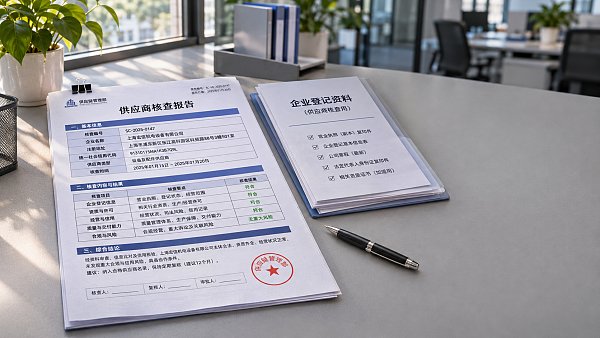
 How to check if supplier verification reports are authenticVerify supplier verification reports with confidence. Learn how to confirm the issuer, match supplier details, spot red flags, and reduce purchasing risk.
 Mexico’s President Seeks US Trade Deal at December Miami G20 SummitMexico–US trade deal talks could reach a turning point at the December Miami G20 summit. Explore what a potential agreement may mean for cross-border business.
 How to assess data quality in export market analysis servicesCompare export market analysis services with confidence. Learn how to evaluate data sources, coverage and forecasts before committing to a new market.
 Li Qiang Calls for Digital and Green Cooperation at China-Thailand Business MeetingLi Qiang calls for China-Thailand cooperation in digital and green sectors, highlighting opportunities in AI, new energy and agriculture.
 How are life sciences different from healthcare?Life sciences and healthcare overlap, but how do they differ? Explore their roles, real-world examples, and what the distinction means for sourcing.
 How is resale changing the UK apparel and fashion market?Explore how resale is reshaping apparel and fashion in UK markets, from shifting customer demand to pricing, sourcing and opportunities for brands.
 China's Trade Reaches 44.81 Trillion Yuan in First 10 Months, Up 20%China's trade reportedly reached 44.81 trillion yuan in the first 10 months, up 20%. Explore the implications for sourcing, technology exports and ASEAN markets.
 China Extends Pause on 24% US Tariff as US Extends Product ExclusionsChina-US tariffs: China extends its 24% tariff pause while the US extends 178 product exclusions. Discover what the measures mean for trade costs and planning.
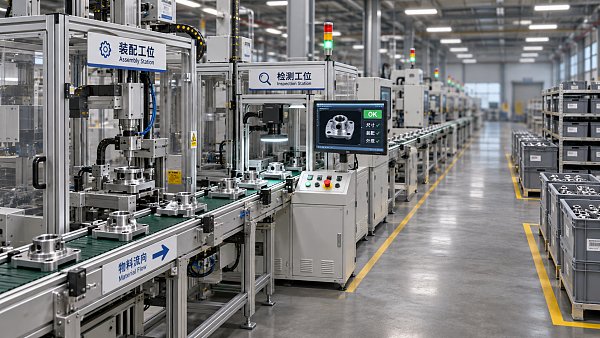
 How to verify a mass production supplier’s capacityVerify a mass production supplier’s true capacity with practical checks for production records, available resources, quality controls and delivery readiness.
 He Lifeng Holds Trade Video Call with US Treasury Secretary and Trade RepresentativeHe Lifeng discusses China-US trade restrictions with US officials. Explore what the call could mean for exporters, buyers and supply chains.
 U.S. Trade Deficit Narrows to $105 Billion in September 2026U.S. trade deficit narrowed to $105 billion in September 2026 as exports rose 1.9%. Explore what the latest figures reveal about trade flows.
 How to verify international trade intelligence updatesVerify international trade intelligence updates with practical checks for sources, regulations, trade data, and disruptions. Turn complex claims into reliable insights.
 How investors can assess cyclicality in the manufacturing industryManufacturing industry analysis for investors: learn to assess cyclical demand, cash flow and downside risks to make more informed investment decisions.
 US ISM Manufacturing PMI Rises to 55.5% in October, Beating ForecastsUS ISM Manufacturing PMI rose to 55.5% in October 2026, beating forecasts. Explore what stronger orders and production could mean for manufacturers.
 China Manufacturing PMI Falls to 49.3 in OctoberChina manufacturing PMI fell to 49.3 in October, signaling renewed contraction. Explore the role of weak export orders and domestic demand.
 Can you trust flexible packaging market intelligence forecasts?Can you trust flexible packaging market intelligence forecasts? Learn how to verify sources, challenge assumptions, and assess demand before making costly investment or sourcing decisions.
 When is supply chain disruption management consulting worth the cost?When is supply chain disruption management consulting worth the cost? Learn how to compare fees, avoidable losses, and recovery options to make a confident investment decision.
 How to use macroeconomic analysis to forecast industrial demandApply an industrial macro analysis methodology to forecast demand, interpret economic signals, and plan inventory and capacity. Discover practical steps for smarter business decisions.
 How to assess Singapore suppliers with global supply chain intelligenceExplore international supply chain intelligence Singapore buyers can use to verify suppliers, assess capabilities and delivery risks, and make confident sourcing decisions.














Global Trade Insights & Industry
Our mission is to empower global exporters and importers with data-driven insights that foster strategic growth.
Search News
Popular Tags
Industry Overview
The global commercial kitchen equipment market is projected to reach $112 billion by 2027. Driven by urbanization, the rise of e-commerce food delivery, and strict hygiene regulations.