

Trade Infrastructure Intelligence: Delays, Ports, and Cost Gaps
For budget control across global trade, trade infrastructure intelligence turns uncertainty into measurable operating impact. Port congestion, route disruption, inland bottlenecks, and regional cost gaps directly influence landed cost, payment timing, and supplier stability.
This matters across the comprehensive industry landscape, from machinery and electronics to food, healthcare, consumer goods, and construction inputs. When infrastructure conditions shift, cost assumptions can become outdated within weeks.
Using trade infrastructure intelligence, decision frameworks become more practical. Instead of reacting after overruns appear, teams can compare routes, model delay exposure, and decide where flexibility or buffer capital is justified.
When logistics volatility changes budget assumptions
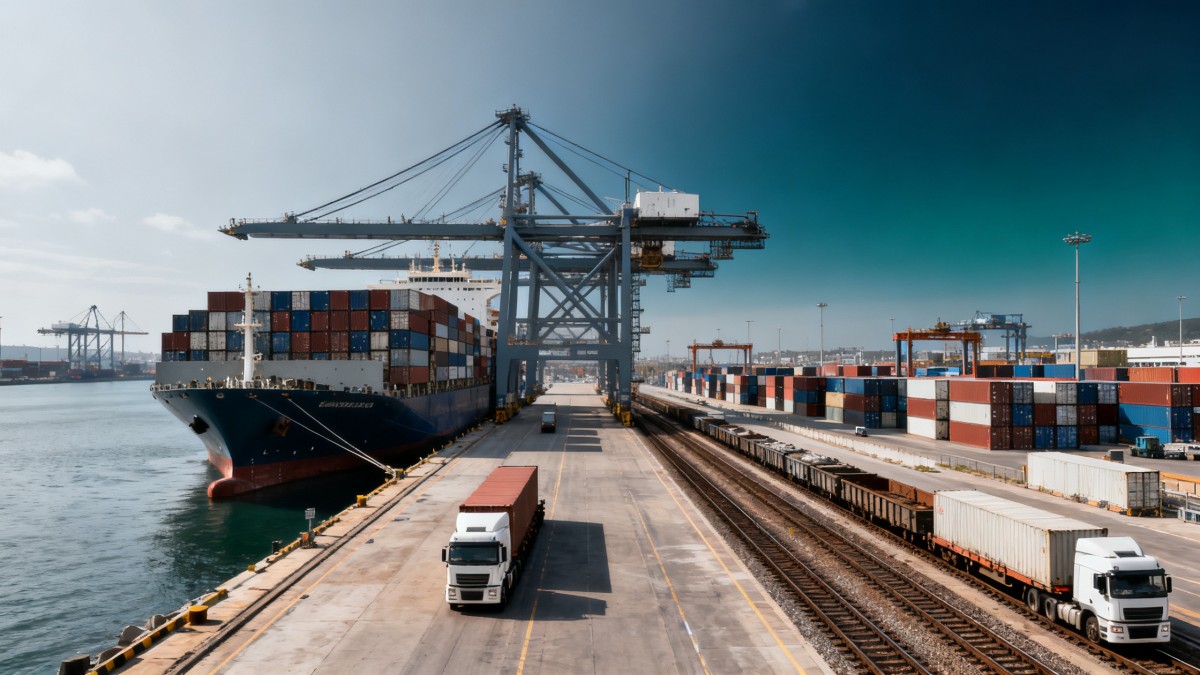
Trade infrastructure intelligence is most valuable when transport conditions stop behaving normally. A port delay is not only a shipping event. It can reshape inventory timing, demurrage risk, and customer service costs.
Across integrated supply chains, the same delay can create different consequences. High-value electronics may face cash-flow pressure, while bulk materials may face storage and schedule penalties.
Why the same delay creates different financial outcomes
Transit disruption affects working capital differently by product profile, contract terms, and replenishment rhythm. Trade infrastructure intelligence helps separate headline delays from actual budget exposure.
- Perishable or regulated goods face time-sensitive compliance and handling costs.
- Project cargo may trigger installation delays and downstream contractual penalties.
- Fast-moving consumer goods may require expedited replenishment to prevent stockouts.
- Industrial components may pause assembly schedules if substitute stock is unavailable.
In each case, trade infrastructure intelligence improves timing decisions. It helps determine whether the cheaper route remains economical after delay probabilities, handling fees, and financing costs are included.
Scenario analysis: where trade infrastructure intelligence delivers the most value
Scenario 1: Port congestion on major export corridors
When major gateways experience vessel bunching, budget risk grows beyond freight rates. Longer dwell times often increase detention, drayage uncertainty, and missed distribution windows.
Trade infrastructure intelligence supports route comparison at corridor level. It reveals whether secondary ports, feeder options, or inland transfer points reduce total cost despite slightly higher base freight.
Scenario 2: Inland transport disruption after arrival
A shipment can arrive on time and still miss operational targets. Rail congestion, trucking shortages, customs clearance delays, or warehouse backlogs often create hidden cost gaps.
In this scenario, trade infrastructure intelligence should include inland lead-time variability, not only port ETA data. Final delivered cost depends on the full corridor, not the ocean segment alone.
Scenario 3: Regional cost gaps between sourcing locations
Two suppliers may quote similar production prices, yet infrastructure conditions create very different landed costs. One region may offer cheaper labor, but weaker port efficiency and unstable inland transport.
Trade infrastructure intelligence helps compare cost structure quality, not just quoted unit price. It identifies where apparently low-cost sourcing becomes expensive through delay frequency and handling complexity.
Scenario 4: Seasonal surges and capacity competition
Peak season changes the economics of predictability. Capacity tightness can quickly raise spot rates, reduce schedule reliability, and extend booking lead times.
Here, trade infrastructure intelligence supports advance allocation decisions. It can justify earlier ordering, split shipments, or mixed-mode transport when the cost of delay exceeds premium freight.
How different operating scenarios require different judgments
Not all logistics scenarios should be managed with the same metrics. Trade infrastructure intelligence becomes more useful when decision criteria are aligned with product sensitivity and route dependency.
This comparison prevents overreliance on a single cost number. Effective trade infrastructure intelligence always connects route conditions to operational priorities and financial exposure.
Practical adaptation strategies for cross-border cost control
Once scenario differences are visible, adaptation becomes more targeted. Trade infrastructure intelligence should support structured responses instead of broad contingency language.
Recommended actions by operating condition
- Build corridor-level cost models that include delay probability and storage exposure.
- Separate supplier price competitiveness from infrastructure reliability.
- Review alternative ports and inland hubs before disruption becomes critical.
- Use route diversification for time-sensitive or high-margin shipments.
- Adjust safety stock only after measuring delay frequency, not anecdotal concern.
- Track payment timing impact when goods are delayed in transit or at clearance.
These actions are especially relevant in a comprehensive industry environment. Diverse goods categories share infrastructure dependence, but each category converts logistics stress into different cost outcomes.
Signals that deserve closer monitoring
- Persistent variance between scheduled and actual transit time
- Rising local handling fees at specific hubs
- Repeated customs delays in one corridor
- Supplier regions with unstable road or rail access
- Seasonal booking compression on critical trade lanes
Trade infrastructure intelligence becomes most actionable when these signals are tracked consistently and linked to threshold-based decisions, not reviewed only after shipment exceptions appear.
Common misjudgments that weaken infrastructure-based decisions
Many budget errors do not come from missing data. They come from using partial data. Trade infrastructure intelligence loses value when route conditions are isolated from commercial assumptions.
Frequent blind spots
- Treating freight price as the main cost driver while ignoring delay-related penalties
- Comparing supplier quotes without adjusting for corridor reliability
- Using average transit time instead of variance and exception frequency
- Assuming arrival at port equals usable inventory availability
- Reacting to major disruptions but ignoring smaller recurring inefficiencies
A stronger approach is to treat trade infrastructure intelligence as an operational lens across sourcing, transport, compliance, and cash planning. That produces better decisions than isolated freight monitoring.
Turning trade infrastructure intelligence into next-step action
The next practical step is to map major trade lanes by volatility, not just volume. Routes with moderate volume but unstable performance often create disproportionate financial leakage.
A useful framework includes three layers: route condition, landed cost sensitivity, and response trigger. With this structure, trade infrastructure intelligence becomes a budgeting tool rather than a passive report.
GTIIN supports this need by converting fragmented infrastructure signals into verified, structured global trade insight. With broader visibility across sectors and corridors, infrastructure risk can be evaluated earlier and managed more strategically.
For organizations seeking clearer exposure control, trade infrastructure intelligence should inform supplier comparisons, route selection, inventory timing, and scenario planning together. Better visibility creates better trade decisions before costs harden.
 Which global manufacturing trends by sector matter most for sourcing plans?Global manufacturing trends by sector: identify sourcing risks, supplier resilience, compliance demands, and cost drivers to build smarter, more reliable procurement plans.
 What industrial trade intelligence pricing should include before you subscribeIndustrial trade intelligence pricing explained: compare coverage, data quality, access rights, and workflow value before choosing a subscription that supports smarter trade decisions.
 How an industrial trade intelligence dashboard can identify new supplier marketsDiscover how an industrial trade intelligence dashboard helps identify new supplier markets by comparing capacity, landed cost, logistics resilience, and compliance risk.
 Which global market entry barriers should exporters assess first?Global market entry barriers exporters should assess first: tariffs, compliance, buyer qualification, logistics, and payment risk. Build a practical strategy for confident market entry.
 How trade data aggregation analytics can reveal emerging supplier marketsTrade data aggregation analytics reveals emerging supplier markets by connecting trade flows, capacity signals, logistics, and compliance insights for smarter sourcing decisions.
 When an export market analysis platform can validate demand in a new marketExport market analysis platform insights help validate new-market demand through buyer fit, regulations, logistics, competition, and profitable entry conditions.
 What is driving the beauty and personal care market in the USA?Beauty and personal care in USA is driven by targeted solutions, selective premiumization, digital discovery, clean-label trust, diverse needs, and compliance. Explore key growth opportunities.
 How trade flow monitoring reports reveal changing regional demandTrade flow monitoring reports reveal changing regional demand through import volumes, sourcing shifts, product mix, logistics signals, and regulatory trends. Explore actionable market insights.
 How international market intelligence for investors reduces market-entry riskInternational market intelligence for investors reduces market-entry risk by validating demand, regulations, logistics, and competition before capital is committed.
 How international sourcing intelligence helps identify supplier risk earlyInternational sourcing intelligence helps businesses spot supplier risks early, protect supply continuity, and make smarter global procurement decisions.
 How trade data aggregation analytics reveals emerging supplier marketsTrade data aggregation analytics reveals emerging supplier markets through export trends, input flows, logistics, and regulatory signals. Discover smarter sourcing insights.
 What industrial cluster monitoring in Vietnam reveals about site riskIndustrial cluster monitoring Vietnam reveals hidden site risks across labor, utilities, logistics, compliance, and supplier dependencies. Make smarter sourcing and expansion decisions.
 Food Technology Trends Reshaping Shelf Life, Safety, and Product InnovationFood technology is reshaping shelf life, safety, and innovation. Discover the trends helping food businesses cut risk, improve compliance, and unlock stronger global market growth.
 How electronics manufacturing services are changing with low-volume demandElectronics manufacturing services are evolving fast with low-volume demand. Learn how agile EMS partners improve flexibility, compliance, sourcing resilience, and speed to market.
 How Can Buyers Reduce Procurement Risks for Electronic Components?How to reduce procurement risks for electronic components: learn how buyers assess traceability, lead times, compliance, and supplier types to avoid costly sourcing mistakes.
 What Sourcing Intelligence India Reveals About Supplier Risk and Cost ShiftsSourcing intelligence India reveals hidden supplier risk, compliance gaps, logistics pressure, and real cost shifts—helping buyers compare vendors smarter and source with more confidence.
 Fashion Trends 2026: Which Materials, Colors, and Silhouettes Are Gaining Ground?Fashion trends 2026 spotlight tactile fabrics, mineral colors, and controlled volume. Explore the materials, shades, and silhouettes shaping smarter, more wearable style.
 Smart Device Market Outlook: Key Growth Drivers, Segments, and Business OpportunitiesSmart device market trends are shifting toward system value, industrial demand, and resilient supply chains. Explore key growth drivers, high-potential segments, and business opportunities.
 How Global Trade Intelligence Services Help B2B Firms Evaluate Markets and SuppliersGlobal trade intelligence services help B2B firms compare suppliers, assess market potential, and uncover compliance, logistics, and pricing risks before costly decisions are made.
 Manufacturing Sector Updates for Investors: What Signals Matter Most in 2025?Manufacturing sector updates for investors in 2025: track orders, margins, supply chains, regulation, and exports to spot resilient manufacturers and smarter investment signals.
 How Energy Market Intelligence Helps Businesses Track Price Risks and Demand ShiftsEnergy market intelligence helps businesses spot price risks, demand shifts, and supply pressure early—improving procurement, resilience, and faster strategic decisions.





















Global Trade Insights & Industry
Our mission is to empower global exporters and importers with data-driven insights that foster strategic growth.
Search News
Popular Tags
Industry Overview
The global commercial kitchen equipment market is projected to reach $112 billion by 2027. Driven by urbanization, the rise of e-commerce food delivery, and strict hygiene regulations.