

Trade Infrastructure Intelligence for Cross-Border Freight Planning
[Technical Procurement Intelligence Summary]:In cross-border freight planning, infrastructure gaps, port congestion, and policy shifts can quickly disrupt project timelines and budgets. With reliable trade infrastructure intelligence, project managers and engineering leaders can assess transport corridors, reduce operational risk, and make faster, data-backed decisions. This article explores how structured market visibility supports more resilient, efficient international freight strategies.
Trade infrastructure intelligence is becoming a planning requirement, not a reporting add-on
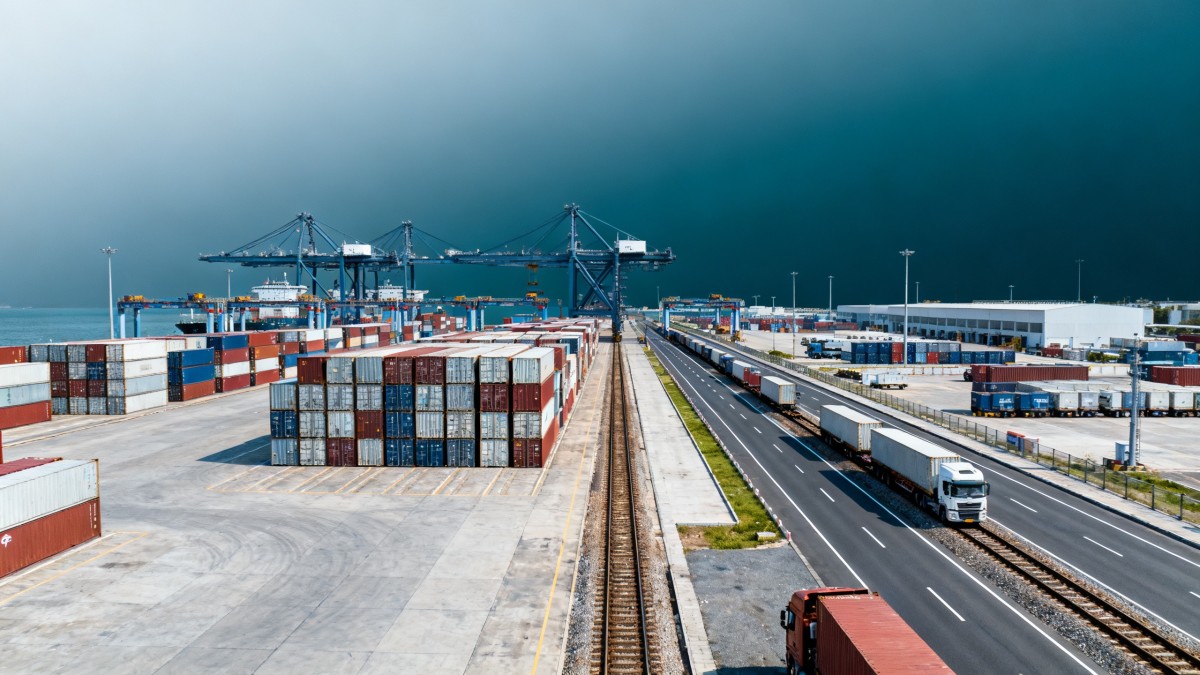
Global freight planning has shifted from static routing toward continuous scenario evaluation. Transport capacity now changes faster than many project schedules can absorb.
That change has elevated trade infrastructure intelligence from a background research function into a core operational input for cross-border execution.
Reliable trade infrastructure intelligence tracks ports, rail links, roads, customs behavior, inland transfers, and policy signals in one structured decision layer.
For industrial cargo, oversized equipment, electronics, medical materials, and temperature-sensitive goods, infrastructure conditions directly affect lead times and landed cost.
When visibility is weak, teams often choose routes based on outdated assumptions. That raises detention risk, storage fees, compliance errors, and delivery uncertainty.
Platforms such as GTIIN support better planning by converting fragmented cross-border signals into verified, structured market intelligence.
Several market signals now show why freight decisions need deeper infrastructure visibility
The current environment is shaped by simultaneous pressure across logistics networks, regulations, and production geography.
Manufacturing diversification has created new export corridors, yet many emerging routes still lack stable inland support and customs predictability.
At the same time, climate events, labor actions, and security disruptions have made corridor reliability more variable across regions.
Energy transition projects add another layer. Wind components, battery systems, transformers, and industrial machinery demand route-specific infrastructure assessment.
Digital compliance is also tightening. Advance filings, inspection requirements, and sanctions screening increasingly affect routing feasibility, not only border clearance.
These signals explain why trade infrastructure intelligence now matters before shipment release, not after a disruption occurs.
Common signs of infrastructure stress in cross-border freight
- Port dwell time rises without matching volume growth.
- Rail and truck handoff windows become less predictable.
- Temporary customs checks appear on politically sensitive lanes.
- Project cargo permits take longer due to road or bridge limits.
- Carrier schedules show repeated omissions or rollover patterns.
The main drivers behind this shift can be mapped clearly
Trade infrastructure intelligence becomes more valuable when the causes of volatility are analyzed in a structured way.
This is where verified monitoring matters. GTIIN’s editorial model helps separate temporary noise from structural trade changes.
The impact reaches every freight-critical business stage
Poor route visibility no longer affects only transportation teams. It now influences sourcing timelines, inventory exposure, installation windows, and contract performance.
In capital projects, one delayed transformer or fabrication module can stall commissioning milestones and trigger downstream cost escalation.
In consumer and technology sectors, unstable corridors can increase replenishment gaps and reduce responsiveness during demand spikes.
Where trade infrastructure intelligence creates measurable value
- Supplier onboarding: validates whether origin regions can support promised delivery performance.
- Routing strategy: compares corridor resilience, not just freight rate quotations.
- Inventory planning: improves safety stock decisions when corridor volatility rises.
- Project scheduling: aligns site readiness with realistic transit and customs windows.
- Risk governance: supports early escalation before delays become contractual issues.
Across industries, trade infrastructure intelligence reduces dependence on assumptions and improves coordination between market, logistics, and compliance functions.
The strongest planning teams watch a focused set of indicators
Not every data point matters equally. Effective freight planning depends on a short list of high-signal indicators.
Priority indicators worth tracking continuously
- Port throughput trends and berth utilization levels.
- Average border clearance time by commodity and destination.
- Road, bridge, and rail restrictions for heavy or oversized cargo.
- Cold chain integrity across inland transfer nodes.
- Local strikes, weather alerts, and power reliability near logistics hubs.
- Sanctions, tariff updates, and product-specific compliance notices.
- Carrier schedule stability and blank sailing frequency.
Trade infrastructure intelligence is most useful when these indicators are tied to specific lanes, shipment profiles, and delivery commitments.
That approach is especially relevant in multi-sector environments where freight choices differ across machinery, electronics, chemicals, food, and construction materials.
A practical response framework helps turn intelligence into action
Insight alone does not improve outcomes. The value of trade infrastructure intelligence appears when planning rules are adjusted in time.
This framework supports both recurring trade flows and one-off project cargo decisions. It turns trade infrastructure intelligence into a repeatable operating discipline.
The next advantage comes from verified, cross-sector visibility
Freight planning becomes stronger when market intelligence is not isolated from industrial context. Infrastructure conditions often reflect deeper production and policy shifts.
A corridor serving electronics may react differently than one centered on steel, agriculture, or renewable energy components.
That is why broad industrial coverage matters. GTIIN monitors multiple sectors and commercial clusters, helping users connect logistics signals with real market behavior.
Its value lies in verification, structure, and decision relevance. Instead of scattered updates, users gain trade infrastructure intelligence that supports timing, routing, and risk judgement.
The most effective next step is to build a lane review process around verified corridor data, compliance developments, and sector-specific freight constraints.
For organizations expanding internationally, GTIIN offers a dependable foundation for sharper cross-border planning, stronger resilience, and more confident freight execution.
 When dual sourcing makes sense in a sourcing strategy for manufacturersSourcing strategy for manufacturers: learn when dual sourcing strengthens supply continuity, reduces disruption risk, and protects production without adding unnecessary complexity.
 How bulk commodities pricing affects long-term supply contractsBulk commodities pricing shapes long-term supply contracts through index rules, freight, quality, volume, and currency risk. Explore strategies for resilient costs and supply security.
 Which global manufacturing trends by sector matter most for sourcing plans?Global manufacturing trends by sector: identify sourcing risks, supplier resilience, compliance demands, and cost drivers to build smarter, more reliable procurement plans.
 What industrial trade intelligence pricing should include before you subscribeIndustrial trade intelligence pricing explained: compare coverage, data quality, access rights, and workflow value before choosing a subscription that supports smarter trade decisions.
 How an industrial trade intelligence dashboard can identify new supplier marketsDiscover how an industrial trade intelligence dashboard helps identify new supplier markets by comparing capacity, landed cost, logistics resilience, and compliance risk.
 Which global market entry barriers should exporters assess first?Global market entry barriers exporters should assess first: tariffs, compliance, buyer qualification, logistics, and payment risk. Build a practical strategy for confident market entry.
 How trade data aggregation analytics can reveal emerging supplier marketsTrade data aggregation analytics reveals emerging supplier markets by connecting trade flows, capacity signals, logistics, and compliance insights for smarter sourcing decisions.
 When an export market analysis platform can validate demand in a new marketExport market analysis platform insights help validate new-market demand through buyer fit, regulations, logistics, competition, and profitable entry conditions.
 What is driving the beauty and personal care market in the USA?Beauty and personal care in USA is driven by targeted solutions, selective premiumization, digital discovery, clean-label trust, diverse needs, and compliance. Explore key growth opportunities.
 How trade flow monitoring reports reveal changing regional demandTrade flow monitoring reports reveal changing regional demand through import volumes, sourcing shifts, product mix, logistics signals, and regulatory trends. Explore actionable market insights.
 How international market intelligence for investors reduces market-entry riskInternational market intelligence for investors reduces market-entry risk by validating demand, regulations, logistics, and competition before capital is committed.
 How international sourcing intelligence helps identify supplier risk earlyInternational sourcing intelligence helps businesses spot supplier risks early, protect supply continuity, and make smarter global procurement decisions.
 How trade data aggregation analytics reveals emerging supplier marketsTrade data aggregation analytics reveals emerging supplier markets through export trends, input flows, logistics, and regulatory signals. Discover smarter sourcing insights.
 What industrial cluster monitoring in Vietnam reveals about site riskIndustrial cluster monitoring Vietnam reveals hidden site risks across labor, utilities, logistics, compliance, and supplier dependencies. Make smarter sourcing and expansion decisions.
 Food Technology Trends Reshaping Shelf Life, Safety, and Product InnovationFood technology is reshaping shelf life, safety, and innovation. Discover the trends helping food businesses cut risk, improve compliance, and unlock stronger global market growth.
 How electronics manufacturing services are changing with low-volume demandElectronics manufacturing services are evolving fast with low-volume demand. Learn how agile EMS partners improve flexibility, compliance, sourcing resilience, and speed to market.
 How Can Buyers Reduce Procurement Risks for Electronic Components?How to reduce procurement risks for electronic components: learn how buyers assess traceability, lead times, compliance, and supplier types to avoid costly sourcing mistakes.
 What Sourcing Intelligence India Reveals About Supplier Risk and Cost ShiftsSourcing intelligence India reveals hidden supplier risk, compliance gaps, logistics pressure, and real cost shifts—helping buyers compare vendors smarter and source with more confidence.
 Fashion Trends 2026: Which Materials, Colors, and Silhouettes Are Gaining Ground?Fashion trends 2026 spotlight tactile fabrics, mineral colors, and controlled volume. Explore the materials, shades, and silhouettes shaping smarter, more wearable style.
 Smart Device Market Outlook: Key Growth Drivers, Segments, and Business OpportunitiesSmart device market trends are shifting toward system value, industrial demand, and resilient supply chains. Explore key growth drivers, high-potential segments, and business opportunities.
 How Global Trade Intelligence Services Help B2B Firms Evaluate Markets and SuppliersGlobal trade intelligence services help B2B firms compare suppliers, assess market potential, and uncover compliance, logistics, and pricing risks before costly decisions are made.




















Global Trade Insights & Industry
Our mission is to empower global exporters and importers with data-driven insights that foster strategic growth.
Search News
Popular Tags
Industry Overview
The global commercial kitchen equipment market is projected to reach $112 billion by 2027. Driven by urbanization, the rise of e-commerce food delivery, and strict hygiene regulations.