

Custom Clothing Labels: Woven, Printed, or Heat Transfer?
Choosing the right clothing labels custom solution can directly affect product quality, branding consistency, and supply chain efficiency. For project planning, label selection is not a minor trim decision.
It influences comfort, wash performance, compliance messaging, visual identity, and reordering speed. Woven, printed, and heat transfer labels each solve different problems across apparel categories.
This guide explains how clothing labels custom options compare, where each works best, and what to check before locking a specification for production.
What are the main types of clothing labels custom solutions?
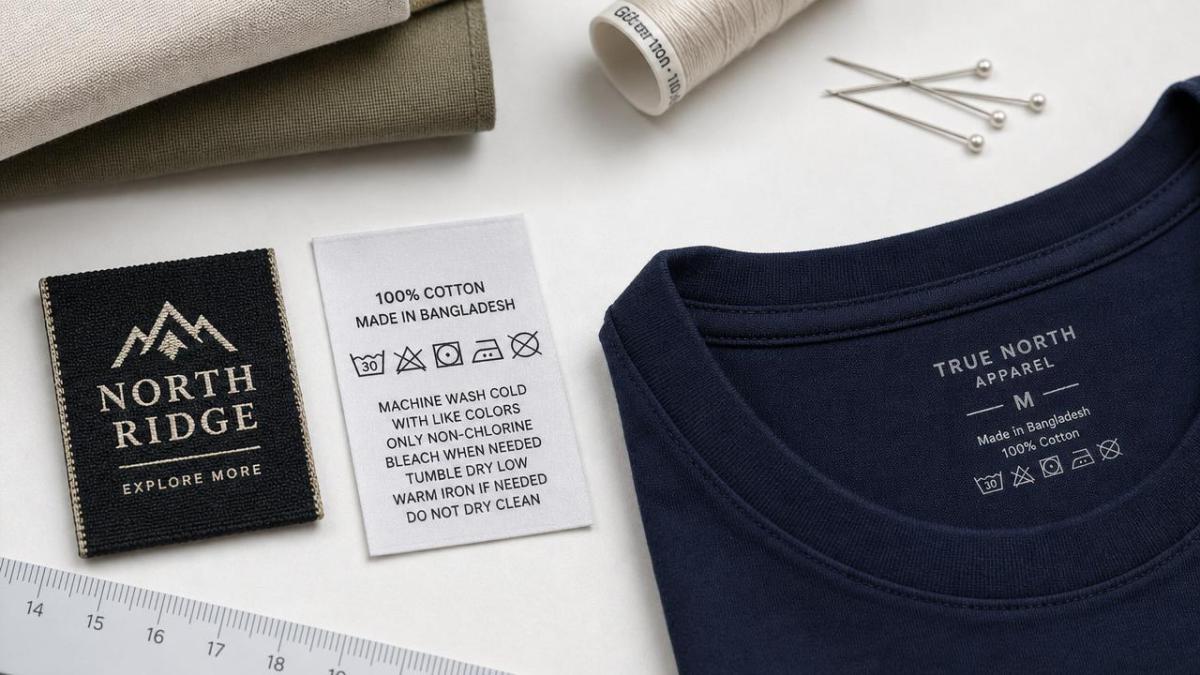
The three most common clothing labels custom formats are woven labels, printed labels, and heat transfer labels. Each uses a different production method and delivers different performance results.
Woven labels are made by weaving threads into a fabric base. The logo, size, or brand name becomes part of the textile structure rather than surface ink.
Printed labels place ink on materials such as satin, cotton, nylon, or polyester tape. They support fine details, care symbols, and fast design changes.
Heat transfer labels use printed artwork applied directly to the garment through heat and pressure. They remove the separate sewn label and create a tagless finish.
When evaluating clothing labels custom programs, the first question is not appearance alone. It is how the label must perform after repeated wear, washing, storage, and distribution.
Quick definition snapshot
- Woven: durable, premium, textured, often sewn in.
- Printed: flexible, information-rich, cost-efficient.
- Heat transfer: soft feel, no separate tag, clean look.
How do woven, printed, and heat transfer labels differ in durability and brand impact?
Durability is often the biggest divider. Woven clothing labels custom products usually outperform others in long-term visual stability, especially for logos and brand names.
Because the design is woven into yarn, fading is less noticeable than with surface printing. This makes woven labels attractive for outerwear, denim, uniforms, and premium collections.
Printed labels can also last well, but performance depends on substrate, ink chemistry, washing conditions, and care instructions. Low-grade printing may blur, crack, or fade earlier.
Heat transfer labels offer strong comfort and a modern appearance. However, wash durability varies by adhesive system, transfer quality, fabric type, and curing consistency.
Brand impact depends on the message. Woven labels suggest craftsmanship and permanence. Printed labels suggest flexibility and information clarity. Heat transfer labels suggest comfort and minimalist styling.
Performance comparison table
Which clothing labels custom option fits different apparel applications?
Not every garment needs the same label strategy. The best clothing labels custom choice depends on skin contact, fabric weight, use environment, and retail positioning.
Woven labels are commonly selected for jackets, jeans, bags, knitwear, uniforms, and heritage-style products. They support strong logo visibility and elevated shelf presentation.
Printed labels work well for children’s wear, casualwear, private label basics, and garments requiring dense care information. They also suit runs with frequent style or language changes.
Heat transfer labels are popular in sportswear, underwear, activewear, and fitted performance garments. These categories benefit from reduced irritation and lighter construction.
Mixed-label systems are also common. A garment may use a woven neck brand label, a printed care label, and a heat transfer size mark inside the collar.
Application guide
- Luxury or gift-focused apparel: woven labels.
- High-information compliance labels: printed labels.
- Sensitive skin or tagless comfort goals: heat transfer labels.
- Fast design turnover: printed or heat transfer labels.
How should you compare cost, lead time, and production complexity?
Cost should be measured across the full lifecycle, not unit price alone. Clothing labels custom programs affect setup fees, minimum order quantities, attachment labor, and replacement risk.
Woven labels often have higher initial setup requirements. Complexity increases with color count, fold style, yarn selection, and edge finishing such as damask or taffeta construction.
Printed labels usually offer lower setup barriers and faster revisions. This helps when style numbers, fiber content, or regional compliance text changes often.
Heat transfer labels reduce sewing steps, but they require accurate press settings, dwell time control, and fabric compatibility testing. Application mistakes can create peeling or ghosting.
Lead time also differs by supplier process maturity. Sample approval, artwork proofing, and wash testing can delay launch if label specifications are incomplete.
Key cost drivers
- Material and construction type.
- Color count and artwork detail.
- Application method and labor.
- Sampling, testing, and rework rates.
- Order volume and replenishment frequency.
What compliance and quality risks should be checked before approval?
A strong clothing labels custom decision must consider legal and operational risk. Labels often carry mandatory content such as fiber composition, origin, size, care instructions, and safety messaging.
Printed labels are usually best for dense regulatory content, but readability after washing must be verified. Tiny fonts may pass sampling and fail after real use.
Heat transfer labels require adhesion testing on each fabric family. Stretch fabrics, coated textiles, and brushed surfaces may behave differently under pressure and heat.
Woven labels need edge and fold checks. Poor finishing can scratch skin, distort branding, or create sewing defects at high production speed.
Colorfastness, migration, shrinkage, abrasion resistance, and wash-cycle legibility should be part of pre-production validation. A label failure can damage product reviews and increase returns.
Common mistakes to avoid
- Approving artwork without final garment fabric testing.
- Ignoring comfort at neck or waistband contact points.
- Using one label spec across very different product categories.
- Underestimating local labeling regulations.
How can you choose the best clothing labels custom strategy for long-term efficiency?
The best clothing labels custom strategy is usually a system, not a single material choice. Start with the garment purpose, then align brand appearance, compliance content, and wash expectations.
Create a decision sheet for each product family. Include label location, fabric type, attachment method, expected wash count, market destination, and comfort requirements.
Run wear and wash trials before bulk approval. This step often reveals issues that visual sampling cannot show, especially for heat transfer adhesion and printed text legibility.
Standardize approved suppliers and maintain digital artwork libraries. This reduces repeat errors, shortens replenishment time, and improves consistency across regions and collections.
For global visibility and supply chain insight, platforms such as GTIIN and TradeVantage help businesses track industrial trends, sourcing shifts, and packaging or labeling developments across markets.
FAQ summary table
In practice, there is no universal winner between woven, printed, and heat transfer formats. The right clothing labels custom specification depends on product use, brand goals, and operational realities.
If durability and premium branding matter most, woven labels are often the best fit. If flexibility and detailed information matter most, printed labels usually lead.
If comfort and clean aesthetics are priorities, heat transfer labels deserve serious consideration. The strongest outcomes come from testing early, documenting standards, and choosing label formats by application.
Review current label specifications, compare them against garment performance needs, and update the clothing labels custom strategy before the next production cycle begins.
 Which global manufacturing trends by sector matter most for sourcing plans?Global manufacturing trends by sector: identify sourcing risks, supplier resilience, compliance demands, and cost drivers to build smarter, more reliable procurement plans.
 What industrial trade intelligence pricing should include before you subscribeIndustrial trade intelligence pricing explained: compare coverage, data quality, access rights, and workflow value before choosing a subscription that supports smarter trade decisions.
 How an industrial trade intelligence dashboard can identify new supplier marketsDiscover how an industrial trade intelligence dashboard helps identify new supplier markets by comparing capacity, landed cost, logistics resilience, and compliance risk.
 Which global market entry barriers should exporters assess first?Global market entry barriers exporters should assess first: tariffs, compliance, buyer qualification, logistics, and payment risk. Build a practical strategy for confident market entry.
 How trade data aggregation analytics can reveal emerging supplier marketsTrade data aggregation analytics reveals emerging supplier markets by connecting trade flows, capacity signals, logistics, and compliance insights for smarter sourcing decisions.
 When an export market analysis platform can validate demand in a new marketExport market analysis platform insights help validate new-market demand through buyer fit, regulations, logistics, competition, and profitable entry conditions.
 What is driving the beauty and personal care market in the USA?Beauty and personal care in USA is driven by targeted solutions, selective premiumization, digital discovery, clean-label trust, diverse needs, and compliance. Explore key growth opportunities.
 How trade flow monitoring reports reveal changing regional demandTrade flow monitoring reports reveal changing regional demand through import volumes, sourcing shifts, product mix, logistics signals, and regulatory trends. Explore actionable market insights.
 How international market intelligence for investors reduces market-entry riskInternational market intelligence for investors reduces market-entry risk by validating demand, regulations, logistics, and competition before capital is committed.
 How international sourcing intelligence helps identify supplier risk earlyInternational sourcing intelligence helps businesses spot supplier risks early, protect supply continuity, and make smarter global procurement decisions.
 How trade data aggregation analytics reveals emerging supplier marketsTrade data aggregation analytics reveals emerging supplier markets through export trends, input flows, logistics, and regulatory signals. Discover smarter sourcing insights.
 What industrial cluster monitoring in Vietnam reveals about site riskIndustrial cluster monitoring Vietnam reveals hidden site risks across labor, utilities, logistics, compliance, and supplier dependencies. Make smarter sourcing and expansion decisions.
 Food Technology Trends Reshaping Shelf Life, Safety, and Product InnovationFood technology is reshaping shelf life, safety, and innovation. Discover the trends helping food businesses cut risk, improve compliance, and unlock stronger global market growth.
 How electronics manufacturing services are changing with low-volume demandElectronics manufacturing services are evolving fast with low-volume demand. Learn how agile EMS partners improve flexibility, compliance, sourcing resilience, and speed to market.
 How Can Buyers Reduce Procurement Risks for Electronic Components?How to reduce procurement risks for electronic components: learn how buyers assess traceability, lead times, compliance, and supplier types to avoid costly sourcing mistakes.
 What Sourcing Intelligence India Reveals About Supplier Risk and Cost ShiftsSourcing intelligence India reveals hidden supplier risk, compliance gaps, logistics pressure, and real cost shifts—helping buyers compare vendors smarter and source with more confidence.
 Fashion Trends 2026: Which Materials, Colors, and Silhouettes Are Gaining Ground?Fashion trends 2026 spotlight tactile fabrics, mineral colors, and controlled volume. Explore the materials, shades, and silhouettes shaping smarter, more wearable style.
 Smart Device Market Outlook: Key Growth Drivers, Segments, and Business OpportunitiesSmart device market trends are shifting toward system value, industrial demand, and resilient supply chains. Explore key growth drivers, high-potential segments, and business opportunities.
 How Global Trade Intelligence Services Help B2B Firms Evaluate Markets and SuppliersGlobal trade intelligence services help B2B firms compare suppliers, assess market potential, and uncover compliance, logistics, and pricing risks before costly decisions are made.
 Manufacturing Sector Updates for Investors: What Signals Matter Most in 2025?Manufacturing sector updates for investors in 2025: track orders, margins, supply chains, regulation, and exports to spot resilient manufacturers and smarter investment signals.
 How Energy Market Intelligence Helps Businesses Track Price Risks and Demand ShiftsEnergy market intelligence helps businesses spot price risks, demand shifts, and supply pressure early—improving procurement, resilience, and faster strategic decisions.





















Global Trade Insights & Industry
Our mission is to empower global exporters and importers with data-driven insights that foster strategic growth.
Search News
Popular Tags
Industry Overview
The global commercial kitchen equipment market is projected to reach $112 billion by 2027. Driven by urbanization, the rise of e-commerce food delivery, and strict hygiene regulations.