

Beijing-Suzhou AI Hardware Export Initiative Accelerates Industrial Vision Deployment
On April 1, 2026, the Beijing-Suzhou cross-regional industrial collaboration marked a significant step forward with the launch of an AI hardware joint export service center. This initiative, announced during the 'Haisu Cross-Regional Exchange Conference,' aims to streamline the export process for AI computing equipment and industrial vision modules, catering to the localization needs of European and American clients. Industries such as industrial automation, AI hardware manufacturing, and supply chain services should take note of this development, as it promises to reduce integration cycles and enhance the accessibility of Chinese AI vision solutions in global markets.
Event Overview
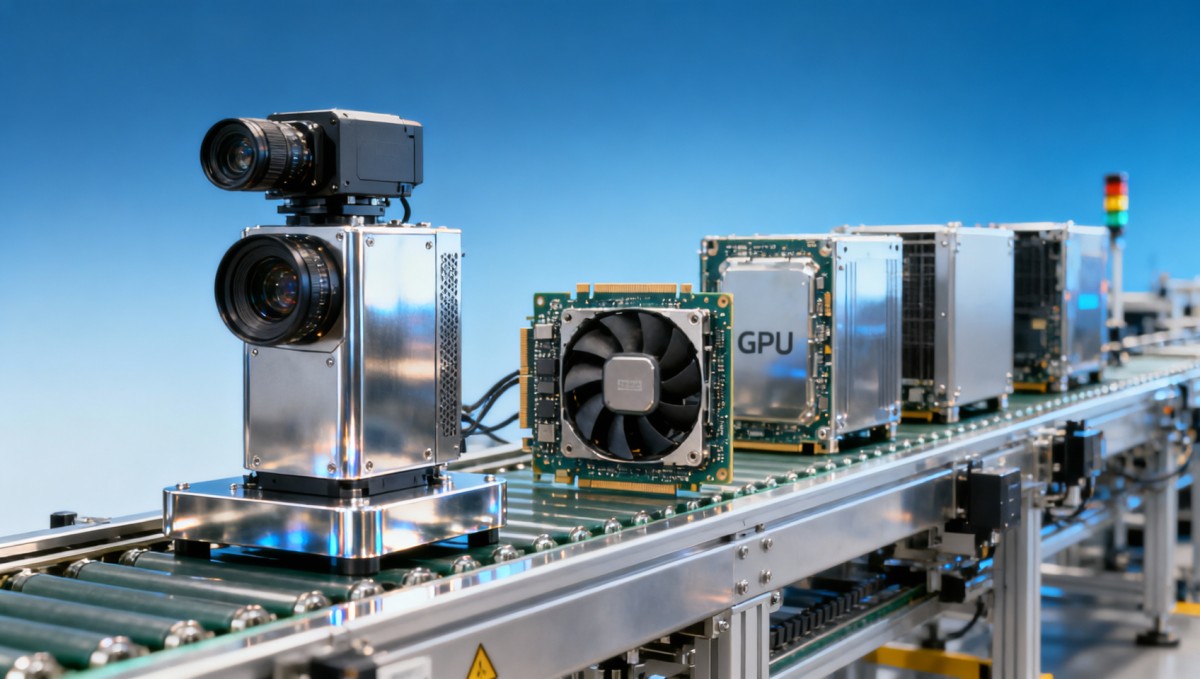
The collaboration between Zhongguancun Science City and Suzhou Industrial Park focuses on establishing an AI hardware export service center. Key products include industrial cameras, embedded GPU modules, and edge AI servers. The center will offer CE/FCC/UL pre-testing and localized firmware adaptation services, significantly reducing delivery times to 18–22 working days starting Q2 2026. This initiative targets the needs of SMEs in Germany and automation integrators in the U.S. Midwest, providing 'plug-and-play' hardware solutions.
Impact on Key Industries
Industrial Automation
The initiative directly benefits industrial automation firms, particularly those relying on AI vision systems for quality control and process optimization. By shortening procurement and integration cycles, these companies can accelerate their adoption of advanced AI solutions.
AI Hardware Manufacturers
Manufacturers of industrial cameras, GPU modules, and edge servers will experience increased demand, especially from欧美 markets. The pre-certification services will lower barriers to entry, making their products more competitive.
Supply Chain Services
Logistics and supply chain providers must adapt to the compressed delivery timelines. Enhanced coordination between testing, certification, and shipping will be critical to meeting the 18–22工作日 target.
Key Considerations for Businesses
Monitor Certification Updates
Companies should stay informed about evolving CE/FCC/UL standards to ensure compliance and avoid delays.
Evaluate Localization Needs
Assess the demand for localized firmware and support services in target markets to align with client expectations.
Optimize Supply Chain Logistics
Streamline procurement and shipping processes to capitalize on the reduced delivery windows and enhance customer satisfaction.
Editor's Observation
From an industry perspective, this initiative signals a strategic move to strengthen China's position in the global AI hardware market. While it presents immediate opportunities for efficiency gains, its long-term success will depend on sustained collaboration and adaptability to market demands. Businesses should view this as a catalyst for innovation rather than a standalone solution.
Conclusion
The Beijing-Suzhou AI hardware export initiative represents a pragmatic approach to addressing global market needs. By focusing on certification and localization, it reduces friction for欧美 clients while creating new opportunities for Chinese manufacturers. Industry stakeholders should leverage this development to refine their strategies and enhance competitiveness.
Sources
1. Official announcement from the 'Haisu Cross-Regional Exchange Conference' (April 1, 2026).
2. Zhongguancun Science City and Suzhou Industrial Park joint statement.
3. Ongoing updates from participating enterprises will be monitored for further insights.
 Which global manufacturing trends by sector matter most for sourcing plans?Global manufacturing trends by sector: identify sourcing risks, supplier resilience, compliance demands, and cost drivers to build smarter, more reliable procurement plans.
 What industrial trade intelligence pricing should include before you subscribeIndustrial trade intelligence pricing explained: compare coverage, data quality, access rights, and workflow value before choosing a subscription that supports smarter trade decisions.
 How an industrial trade intelligence dashboard can identify new supplier marketsDiscover how an industrial trade intelligence dashboard helps identify new supplier markets by comparing capacity, landed cost, logistics resilience, and compliance risk.
 Which global market entry barriers should exporters assess first?Global market entry barriers exporters should assess first: tariffs, compliance, buyer qualification, logistics, and payment risk. Build a practical strategy for confident market entry.
 How trade data aggregation analytics can reveal emerging supplier marketsTrade data aggregation analytics reveals emerging supplier markets by connecting trade flows, capacity signals, logistics, and compliance insights for smarter sourcing decisions.
 When an export market analysis platform can validate demand in a new marketExport market analysis platform insights help validate new-market demand through buyer fit, regulations, logistics, competition, and profitable entry conditions.
 What is driving the beauty and personal care market in the USA?Beauty and personal care in USA is driven by targeted solutions, selective premiumization, digital discovery, clean-label trust, diverse needs, and compliance. Explore key growth opportunities.
 How trade flow monitoring reports reveal changing regional demandTrade flow monitoring reports reveal changing regional demand through import volumes, sourcing shifts, product mix, logistics signals, and regulatory trends. Explore actionable market insights.
 How international market intelligence for investors reduces market-entry riskInternational market intelligence for investors reduces market-entry risk by validating demand, regulations, logistics, and competition before capital is committed.
 How international sourcing intelligence helps identify supplier risk earlyInternational sourcing intelligence helps businesses spot supplier risks early, protect supply continuity, and make smarter global procurement decisions.
 How trade data aggregation analytics reveals emerging supplier marketsTrade data aggregation analytics reveals emerging supplier markets through export trends, input flows, logistics, and regulatory signals. Discover smarter sourcing insights.
 What industrial cluster monitoring in Vietnam reveals about site riskIndustrial cluster monitoring Vietnam reveals hidden site risks across labor, utilities, logistics, compliance, and supplier dependencies. Make smarter sourcing and expansion decisions.
 Food Technology Trends Reshaping Shelf Life, Safety, and Product InnovationFood technology is reshaping shelf life, safety, and innovation. Discover the trends helping food businesses cut risk, improve compliance, and unlock stronger global market growth.
 How electronics manufacturing services are changing with low-volume demandElectronics manufacturing services are evolving fast with low-volume demand. Learn how agile EMS partners improve flexibility, compliance, sourcing resilience, and speed to market.
 How Can Buyers Reduce Procurement Risks for Electronic Components?How to reduce procurement risks for electronic components: learn how buyers assess traceability, lead times, compliance, and supplier types to avoid costly sourcing mistakes.
 What Sourcing Intelligence India Reveals About Supplier Risk and Cost ShiftsSourcing intelligence India reveals hidden supplier risk, compliance gaps, logistics pressure, and real cost shifts—helping buyers compare vendors smarter and source with more confidence.
 Fashion Trends 2026: Which Materials, Colors, and Silhouettes Are Gaining Ground?Fashion trends 2026 spotlight tactile fabrics, mineral colors, and controlled volume. Explore the materials, shades, and silhouettes shaping smarter, more wearable style.
 Smart Device Market Outlook: Key Growth Drivers, Segments, and Business OpportunitiesSmart device market trends are shifting toward system value, industrial demand, and resilient supply chains. Explore key growth drivers, high-potential segments, and business opportunities.
 How Global Trade Intelligence Services Help B2B Firms Evaluate Markets and SuppliersGlobal trade intelligence services help B2B firms compare suppliers, assess market potential, and uncover compliance, logistics, and pricing risks before costly decisions are made.
 Manufacturing Sector Updates for Investors: What Signals Matter Most in 2025?Manufacturing sector updates for investors in 2025: track orders, margins, supply chains, regulation, and exports to spot resilient manufacturers and smarter investment signals.
 How Energy Market Intelligence Helps Businesses Track Price Risks and Demand ShiftsEnergy market intelligence helps businesses spot price risks, demand shifts, and supply pressure early—improving procurement, resilience, and faster strategic decisions.





















Global Trade Insights & Industry
Our mission is to empower global exporters and importers with data-driven insights that foster strategic growth.
Search News
Popular Tags
Industry Overview
The global commercial kitchen equipment market is projected to reach $112 billion by 2027. Driven by urbanization, the rise of e-commerce food delivery, and strict hygiene regulations.