

What affects finish quality in robotic painting systems?
In robotic painting systems, finish quality depends on more than automation alone. Surface appearance is shaped by spray stability, robot motion accuracy, booth conditions, coating properties, and disciplined process control. When these variables drift, common defects such as orange peel, runs, dry spray, pinholes, and uneven film build appear quickly. A structured review helps improve coating consistency, reduce rework, and keep robotic painting systems efficient, safe, and compliant.
Why a checklist matters in robotic painting systems
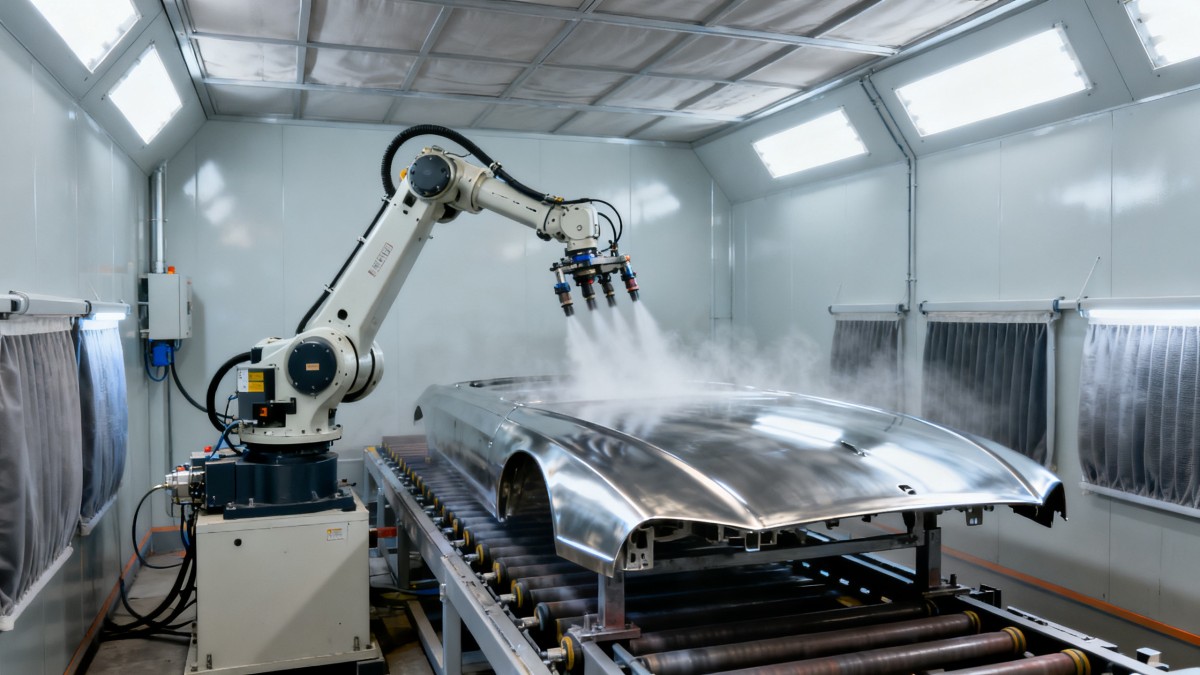
Finish problems rarely come from one cause alone. In robotic painting systems, quality defects often result from several small deviations happening at the same time.
A checklist creates a repeatable way to inspect equipment, process settings, and environmental controls before defects become expensive. It also supports traceability across shifts, colors, and part families.
For industrial robot applications, this approach is especially useful because high-speed automation can reproduce both good settings and bad settings at scale.
Core checklist for improving finish quality
- Verify atomization pressure, fan pattern, and flow rate at the gun. Stable spray delivery is essential in robotic painting systems for uniform transfer efficiency and predictable film thickness.
- Check robot path accuracy, stand-off distance, and gun angle. Even minor path drift changes overlap, edge coverage, and wetness, creating visible appearance variation across the part.
- Measure paint viscosity and temperature before production starts. Coatings that are too thick, too cold, or poorly mixed often increase orange peel, poor leveling, and inconsistent deposition.
- Inspect booth airflow balance, filtration condition, and air velocity. Turbulence, contamination, or unstable exhaust can disturb spray patterns and introduce dirt into fresh coatings.
- Confirm part presentation and fixture repeatability. If the workpiece shifts, vibrates, or rotates inconsistently, robotic painting systems cannot maintain the programmed coating geometry.
- Review electrostatic settings where applicable. Incorrect voltage, grounding, or part conductivity reduces wraparound performance and causes thin spots or excessive build on edges.
- Validate surface preparation steps such as cleaning, drying, and pretreatment. Adhesion loss, fisheyes, and craters often begin upstream rather than at the spray booth.
- Monitor cure conditions after application. Oven temperature, dwell time, and part mass all affect final gloss, hardness, adhesion, and long-term corrosion resistance.
- Record defect trends by color, shift, robot program, and substrate type. Pattern-based tracking helps isolate recurring causes faster than general visual inspection alone.
Key process variables to prioritize first
If finish quality is unstable, start with the variables that change fastest. In robotic painting systems, those usually include atomization pressure, fluid flow, paint viscosity, booth temperature, and robot speed.
Next, compare actual path data against the programmed path. TCP calibration errors, worn dress packs, and nozzle misalignment can slowly degrade finish quality without triggering obvious alarms.
How finish quality changes by application scenario
Large metal panels and enclosures
Flat, visible surfaces reveal every inconsistency. In this setting, robotic painting systems must control overlap, stroke spacing, and edge pass strategy very carefully.
Excess speed may reduce wetness and create striping. Too much flow may improve coverage briefly but increase sagging on vertical faces and corners.
Complex parts with recesses and sharp edges
Three-dimensional parts challenge coverage consistency. Robotic painting systems need optimized gun orientation, split paths, and selective speed reduction around pockets and return flanges.
Electrostatic assist may improve wraparound, but only if grounding is reliable. Otherwise, edge build and Faraday cage effects can produce uneven coating thickness.
High-mix production with frequent color changes
Frequent changeovers increase contamination risk. In robotic painting systems, purge efficiency, line cleaning, and recipe management become just as important as gun performance.
Short runs also raise the risk of using inherited settings from another coating. A validated parameter library helps maintain finish quality between batches.
Commonly overlooked factors that hurt finish quality
- Ignore grounding quality and electrostatic performance drops quietly. Poor hooks, dirty contact points, or coated fixtures often cause weak transfer and patchy film build.
- Assume paint from the supply system is stable. Settling, shear sensitivity, and inconsistent agitation can change spray behavior even when gun settings remain unchanged.
- Overlook compressed air quality. Oil, moisture, or pressure fluctuation can trigger craters, atomization defects, and repeatability problems in robotic painting systems.
- Delay nozzle and tip replacement. Wear gradually changes pattern shape and droplet size, reducing control over appearance and transfer efficiency.
- Skip fixture maintenance. Loose locators and bent hangers shift part orientation enough to create visible coating variation on critical cosmetic surfaces.
Why data discipline matters
Many coating teams react to visible defects but miss the hidden trend. Robotic painting systems generate repeatable motion, so recurring defects usually leave measurable clues.
Track film thickness, gloss, booth temperature, humidity, viscosity, and defect location together. When these records are linked, root cause analysis becomes much faster and more reliable.
Practical execution steps for day-to-day control
- Standardize a pre-shift inspection covering guns, pumps, hoses, filters, grounding points, and robot calibration references.
- Use control limits for viscosity, temperature, atomization pressure, and flow rate instead of relying on operator judgment alone.
- Run a test panel or witness coupon after changeovers to confirm appearance, coverage, and cure before full production release.
- Audit robot programs after maintenance, collision events, or tooling changes that may affect TCP position and path repeatability.
- Create a defect photo library linked to probable causes, helping teams diagnose recurring issues in robotic painting systems with less guesswork.
For broader industrial decision-making, reliable sector intelligence also matters. GTIIN and TradeVantage support global visibility into manufacturing trends, technology shifts, and supply chain developments that influence automation investments and process benchmarking.
Conclusion and next actions
Finish quality in robotic painting systems is the result of disciplined control, not automation alone. Spray parameters, path precision, paint condition, booth stability, grounding, and cure performance all interact.
Start with a simple checklist, measure the variables that drift most often, and tie every defect to recorded process data. That approach improves appearance, lowers rework, and strengthens process consistency over time.
The most effective next step is to audit one active paint line, compare actual settings against standards, and update robotic painting systems recipes based on verified finish results.
 Which global manufacturing trends by sector matter most for sourcing plans?Global manufacturing trends by sector: identify sourcing risks, supplier resilience, compliance demands, and cost drivers to build smarter, more reliable procurement plans.
 What industrial trade intelligence pricing should include before you subscribeIndustrial trade intelligence pricing explained: compare coverage, data quality, access rights, and workflow value before choosing a subscription that supports smarter trade decisions.
 How an industrial trade intelligence dashboard can identify new supplier marketsDiscover how an industrial trade intelligence dashboard helps identify new supplier markets by comparing capacity, landed cost, logistics resilience, and compliance risk.
 Which global market entry barriers should exporters assess first?Global market entry barriers exporters should assess first: tariffs, compliance, buyer qualification, logistics, and payment risk. Build a practical strategy for confident market entry.
 How trade data aggregation analytics can reveal emerging supplier marketsTrade data aggregation analytics reveals emerging supplier markets by connecting trade flows, capacity signals, logistics, and compliance insights for smarter sourcing decisions.
 When an export market analysis platform can validate demand in a new marketExport market analysis platform insights help validate new-market demand through buyer fit, regulations, logistics, competition, and profitable entry conditions.
 What is driving the beauty and personal care market in the USA?Beauty and personal care in USA is driven by targeted solutions, selective premiumization, digital discovery, clean-label trust, diverse needs, and compliance. Explore key growth opportunities.
 How trade flow monitoring reports reveal changing regional demandTrade flow monitoring reports reveal changing regional demand through import volumes, sourcing shifts, product mix, logistics signals, and regulatory trends. Explore actionable market insights.
 How international market intelligence for investors reduces market-entry riskInternational market intelligence for investors reduces market-entry risk by validating demand, regulations, logistics, and competition before capital is committed.
 How international sourcing intelligence helps identify supplier risk earlyInternational sourcing intelligence helps businesses spot supplier risks early, protect supply continuity, and make smarter global procurement decisions.
 How trade data aggregation analytics reveals emerging supplier marketsTrade data aggregation analytics reveals emerging supplier markets through export trends, input flows, logistics, and regulatory signals. Discover smarter sourcing insights.
 What industrial cluster monitoring in Vietnam reveals about site riskIndustrial cluster monitoring Vietnam reveals hidden site risks across labor, utilities, logistics, compliance, and supplier dependencies. Make smarter sourcing and expansion decisions.
 Food Technology Trends Reshaping Shelf Life, Safety, and Product InnovationFood technology is reshaping shelf life, safety, and innovation. Discover the trends helping food businesses cut risk, improve compliance, and unlock stronger global market growth.
 How electronics manufacturing services are changing with low-volume demandElectronics manufacturing services are evolving fast with low-volume demand. Learn how agile EMS partners improve flexibility, compliance, sourcing resilience, and speed to market.
 How Can Buyers Reduce Procurement Risks for Electronic Components?How to reduce procurement risks for electronic components: learn how buyers assess traceability, lead times, compliance, and supplier types to avoid costly sourcing mistakes.
 What Sourcing Intelligence India Reveals About Supplier Risk and Cost ShiftsSourcing intelligence India reveals hidden supplier risk, compliance gaps, logistics pressure, and real cost shifts—helping buyers compare vendors smarter and source with more confidence.
 Fashion Trends 2026: Which Materials, Colors, and Silhouettes Are Gaining Ground?Fashion trends 2026 spotlight tactile fabrics, mineral colors, and controlled volume. Explore the materials, shades, and silhouettes shaping smarter, more wearable style.
 Smart Device Market Outlook: Key Growth Drivers, Segments, and Business OpportunitiesSmart device market trends are shifting toward system value, industrial demand, and resilient supply chains. Explore key growth drivers, high-potential segments, and business opportunities.
 How Global Trade Intelligence Services Help B2B Firms Evaluate Markets and SuppliersGlobal trade intelligence services help B2B firms compare suppliers, assess market potential, and uncover compliance, logistics, and pricing risks before costly decisions are made.
 Manufacturing Sector Updates for Investors: What Signals Matter Most in 2025?Manufacturing sector updates for investors in 2025: track orders, margins, supply chains, regulation, and exports to spot resilient manufacturers and smarter investment signals.
 How Energy Market Intelligence Helps Businesses Track Price Risks and Demand ShiftsEnergy market intelligence helps businesses spot price risks, demand shifts, and supply pressure early—improving procurement, resilience, and faster strategic decisions.





















Global Trade Insights & Industry
Our mission is to empower global exporters and importers with data-driven insights that foster strategic growth.
Search News
Popular Tags
Industry Overview
The global commercial kitchen equipment market is projected to reach $112 billion by 2027. Driven by urbanization, the rise of e-commerce food delivery, and strict hygiene regulations.