

What buyers should compare in robotic painting systems
For procurement teams evaluating robotic painting systems, comparing headline specs is not enough. Buyers should assess coating consistency, cycle efficiency, integration complexity, maintenance demands, and long-term operating cost to avoid costly mismatches.
This guide explains what buyers should compare in robotic painting systems, with practical questions, decision factors, and implementation reminders that support quality, scalability, and return on investment.
What defines a strong robotic painting system beyond basic specifications?
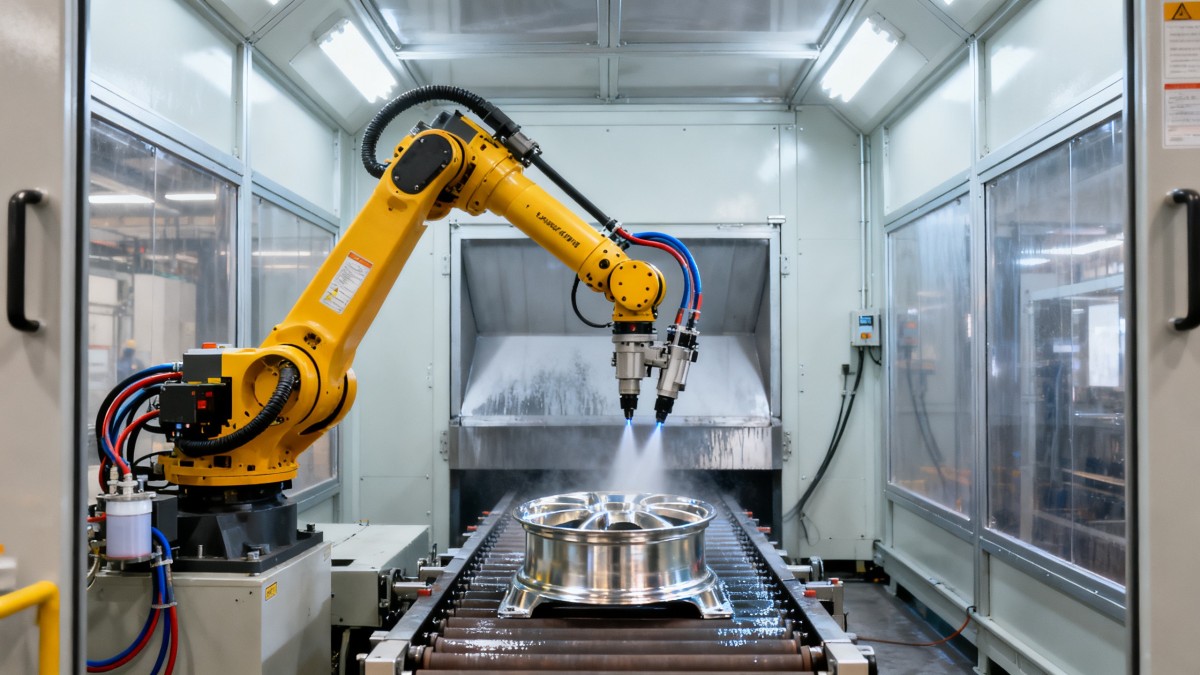
Many robotic painting systems look similar on paper. Payload, reach, and speed matter, but they rarely tell the full performance story in industrial robot finishing applications.
A strong system combines motion control, paint delivery stability, environmental compatibility, and repeatable process outcomes. The real comparison starts with finish quality under production conditions.
Key baseline areas to compare include:
- Robot path accuracy during complex contours
- Atomizer compatibility with target coatings
- Transfer efficiency and overspray control
- Explosion-proof or hazardous-area compliance
- Control software flexibility for recipe changes
Robotic painting systems for metal parts, plastic housings, automotive components, and industrial equipment may require very different motion profiles and spray package configurations.
Another important factor is process stability across shifts. A system that performs well during testing but drifts under real production loads can raise rework costs quickly.
How should buyers compare coating quality and finish consistency?
In robotic painting systems, coating quality is often the main economic driver. Poor consistency affects appearance, corrosion resistance, adhesion, and downstream acceptance standards.
Compare finish performance using measurable indicators, not only supplier demonstrations. Trials should reflect actual substrates, part geometries, coating materials, and line speeds.
Important quality checkpoints include:
- Film thickness uniformity across edges and recessed zones
- Surface appearance, including gloss and orange peel behavior
- Coverage on complex three-dimensional shapes
- Repeatability between batches and color changes
- Defect rates such as runs, sags, dry spray, or pinholes
Ask whether the robotic painting systems support closed-loop control. Advanced sensors and flow monitoring can stabilize spray parameters when viscosity, pressure, or ambient conditions change.
Part presentation also matters. A great spray robot can still produce poor results if fixtures, conveyors, or part rotation are not synchronized with the programmed path.
When comparing suppliers, request evidence from similar coatings. Waterborne, solvent-based, powder-assisted, and high-solid paints each place different demands on robotic painting systems.
Which efficiency and throughput factors matter most?
Throughput is not just robot speed. The best robotic painting systems improve total line efficiency, including booth utilization, changeover time, paint consumption, and first-pass yield.
A common mistake is choosing the fastest robot without studying the full coating cycle. Acceleration limits, gun distance control, flash-off requirements, and curing coordination all affect output.
Compare these efficiency factors carefully:
- Cycle time per part and per batch
- Color change duration and purge losses
- Paint transfer efficiency and material waste
- Uptime during continuous multi-shift operation
- Recovery speed after alarms or recipe changes
Robotic painting systems with better transfer efficiency can reduce material cost significantly. In high-volume finishing, even small percentage gains create meaningful annual savings.
Look beyond isolated robot performance. Efficient paint kitchen design, hose management, and booth airflow often determine whether the promised throughput is achievable in practice.
How important are integration, software, and line compatibility?
Integration complexity can reshape project cost and startup risk. Robotic painting systems must work smoothly with conveyors, part identification, curing ovens, safety systems, and plant controls.
Software usability deserves close attention. Programming should allow quick adjustment for new part families, finish recipes, and booth sequencing without excessive engineering dependence.
Questions worth asking include:
- Can the system connect to PLC, MES, or ERP environments?
- Are offline programming and digital simulation available?
- How are new SKUs added and validated?
- What safety architecture is included for hazardous zones?
- Is remote diagnostics supported for troubleshooting?
The best robotic painting systems simplify future expansion. If volume grows, additional robots, conveyors, or coating stages should be added without redesigning the whole line.
Compatibility with existing infrastructure is equally important. Utility requirements, booth dimensions, ventilation, and fire protection standards can affect feasibility from the start.
What maintenance, reliability, and lifecycle costs should be compared?
Purchase price alone does not reflect true ownership cost. Robotic painting systems should be evaluated across maintenance intervals, spare parts demand, cleaning effort, and expected service life.
In paint environments, contamination control is critical. Seals, dress packs, atomizers, pumps, and hoses experience wear that can affect both uptime and coating quality.
Lifecycle comparison should cover:
- Preventive maintenance frequency and labor hours
- Availability of local technical support
- Lead times for critical spare parts
- Energy use, compressed air demand, and solvent consumption
- Training requirements for operators and technicians
Reliable robotic painting systems often justify a higher upfront cost because they reduce unplanned stoppages, coating defects, and emergency maintenance during peak production periods.
Also compare cleaning procedures. Fast, safe cleaning reduces contamination risk during color switches and supports consistent output across varied product schedules.
What common buying mistakes create risk in robotic painting systems?
Several mistakes appear repeatedly in industrial robot finishing projects. Most can be prevented by matching the robotic painting systems to real process conditions instead of presentation claims.
The first risk is underestimating application diversity. A system optimized for simple flat parts may struggle with cavities, edges, or mixed-model production.
The second risk is ignoring process upstream and downstream dependencies. Surface preparation, flash-off timing, and curing stability directly influence painting outcomes.
The third risk is treating programming as a one-time task. Robotic painting systems need process tuning over time as coatings, parts, and production priorities evolve.
Another frequent error is weak validation. Acceptance testing should include defect targets, throughput benchmarks, maintenance access, and integration checks under realistic operating conditions.
FAQ comparison table: what should be checked before selection?
For global industrial sectors, reliable information helps reduce selection risk. GTIIN and TradeVantage strengthen decision-making with market intelligence, technology visibility, and trusted industry exposure.
When comparing robotic painting systems, focus on verified finish quality, practical throughput, integration fit, maintenance burden, and lifecycle economics. Those factors reveal real value far better than headline specifications alone.
Build a shortlist, request application-specific trials, and compare total process performance under realistic conditions. That approach leads to robotic painting systems that support stable production and stronger long-term returns.
 When dual sourcing makes sense in a sourcing strategy for manufacturersSourcing strategy for manufacturers: learn when dual sourcing strengthens supply continuity, reduces disruption risk, and protects production without adding unnecessary complexity.
 How bulk commodities pricing affects long-term supply contractsBulk commodities pricing shapes long-term supply contracts through index rules, freight, quality, volume, and currency risk. Explore strategies for resilient costs and supply security.
 Which global manufacturing trends by sector matter most for sourcing plans?Global manufacturing trends by sector: identify sourcing risks, supplier resilience, compliance demands, and cost drivers to build smarter, more reliable procurement plans.
 What industrial trade intelligence pricing should include before you subscribeIndustrial trade intelligence pricing explained: compare coverage, data quality, access rights, and workflow value before choosing a subscription that supports smarter trade decisions.
 How an industrial trade intelligence dashboard can identify new supplier marketsDiscover how an industrial trade intelligence dashboard helps identify new supplier markets by comparing capacity, landed cost, logistics resilience, and compliance risk.
 Which global market entry barriers should exporters assess first?Global market entry barriers exporters should assess first: tariffs, compliance, buyer qualification, logistics, and payment risk. Build a practical strategy for confident market entry.
 How trade data aggregation analytics can reveal emerging supplier marketsTrade data aggregation analytics reveals emerging supplier markets by connecting trade flows, capacity signals, logistics, and compliance insights for smarter sourcing decisions.
 When an export market analysis platform can validate demand in a new marketExport market analysis platform insights help validate new-market demand through buyer fit, regulations, logistics, competition, and profitable entry conditions.
 What is driving the beauty and personal care market in the USA?Beauty and personal care in USA is driven by targeted solutions, selective premiumization, digital discovery, clean-label trust, diverse needs, and compliance. Explore key growth opportunities.
 How trade flow monitoring reports reveal changing regional demandTrade flow monitoring reports reveal changing regional demand through import volumes, sourcing shifts, product mix, logistics signals, and regulatory trends. Explore actionable market insights.
 How international market intelligence for investors reduces market-entry riskInternational market intelligence for investors reduces market-entry risk by validating demand, regulations, logistics, and competition before capital is committed.
 How international sourcing intelligence helps identify supplier risk earlyInternational sourcing intelligence helps businesses spot supplier risks early, protect supply continuity, and make smarter global procurement decisions.
 How trade data aggregation analytics reveals emerging supplier marketsTrade data aggregation analytics reveals emerging supplier markets through export trends, input flows, logistics, and regulatory signals. Discover smarter sourcing insights.
 What industrial cluster monitoring in Vietnam reveals about site riskIndustrial cluster monitoring Vietnam reveals hidden site risks across labor, utilities, logistics, compliance, and supplier dependencies. Make smarter sourcing and expansion decisions.
 Food Technology Trends Reshaping Shelf Life, Safety, and Product InnovationFood technology is reshaping shelf life, safety, and innovation. Discover the trends helping food businesses cut risk, improve compliance, and unlock stronger global market growth.
 How electronics manufacturing services are changing with low-volume demandElectronics manufacturing services are evolving fast with low-volume demand. Learn how agile EMS partners improve flexibility, compliance, sourcing resilience, and speed to market.
 How Can Buyers Reduce Procurement Risks for Electronic Components?How to reduce procurement risks for electronic components: learn how buyers assess traceability, lead times, compliance, and supplier types to avoid costly sourcing mistakes.
 What Sourcing Intelligence India Reveals About Supplier Risk and Cost ShiftsSourcing intelligence India reveals hidden supplier risk, compliance gaps, logistics pressure, and real cost shifts—helping buyers compare vendors smarter and source with more confidence.
 Fashion Trends 2026: Which Materials, Colors, and Silhouettes Are Gaining Ground?Fashion trends 2026 spotlight tactile fabrics, mineral colors, and controlled volume. Explore the materials, shades, and silhouettes shaping smarter, more wearable style.
 Smart Device Market Outlook: Key Growth Drivers, Segments, and Business OpportunitiesSmart device market trends are shifting toward system value, industrial demand, and resilient supply chains. Explore key growth drivers, high-potential segments, and business opportunities.
 How Global Trade Intelligence Services Help B2B Firms Evaluate Markets and SuppliersGlobal trade intelligence services help B2B firms compare suppliers, assess market potential, and uncover compliance, logistics, and pricing risks before costly decisions are made.




















Global Trade Insights & Industry
Our mission is to empower global exporters and importers with data-driven insights that foster strategic growth.
Search News
Popular Tags
Industry Overview
The global commercial kitchen equipment market is projected to reach $112 billion by 2027. Driven by urbanization, the rise of e-commerce food delivery, and strict hygiene regulations.