

New Mandatory National Standard GB 4343.1-2026 for Power Banks Takes Effect April 1, 2026
Introduction
China's new mandatory national standard GB 4343.1-2026 for power banks (portable chargers) officially came into effect on April 1, 2026. The updated regulations introduce stricter requirements for electromagnetic compatibility (EMC) limits, thermal runaway protection testing, and battery cycle life labeling. This standard aligns with international benchmarks like EU's EN 62368-1 and US's UL 2056, establishing critical compliance thresholds for cross-border e-commerce and overseas distributors entering China's power bank market. The changes will significantly impact OEM/ODM technical agreements and factory inspection processes.
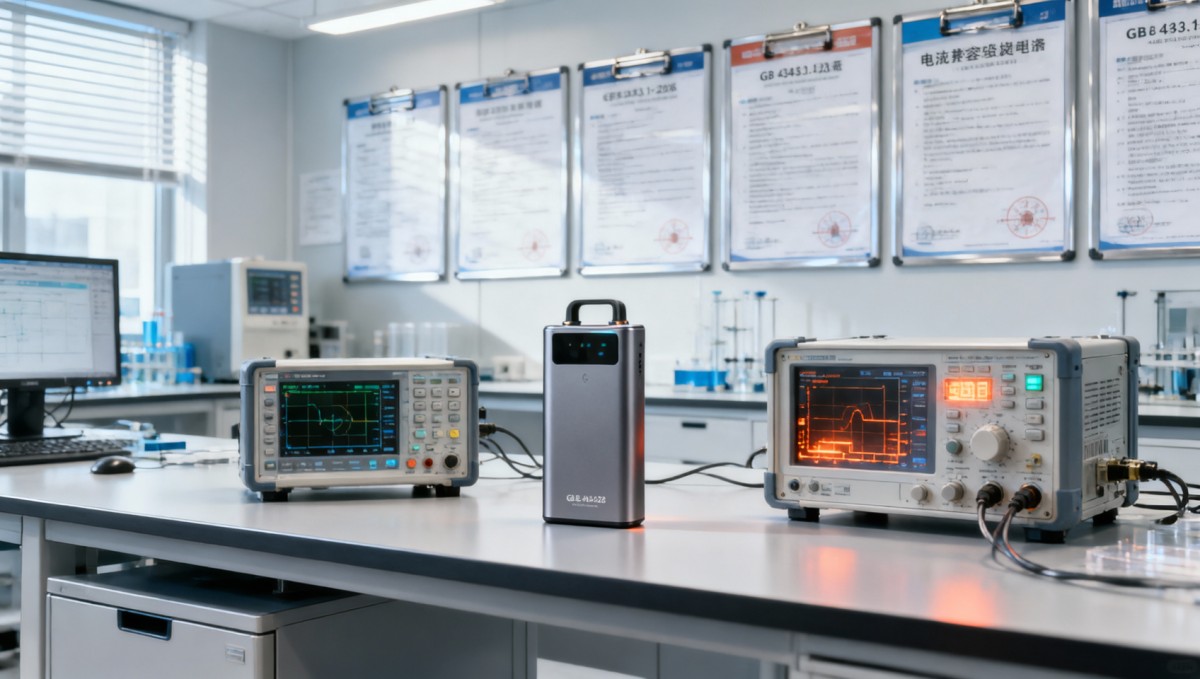
Event Overview
The GB 4343.1-2026 standard, effective April 1, 2026, introduces three major technical upgrades for power banks sold in China:
- Electromagnetic compatibility (EMC) performance limits
- Mandatory thermal runaway protection testing protocols
- Clear battery cycle life labeling requirements
The standard represents China's effort to harmonize with global technical regulations, specifically referencing EU and US safety frameworks. Compliance will be mandatory for all power banks manufactured, imported, or sold in China.
Impact on Key Industries
Cross-border E-commerce Platforms
Marketplaces will need to verify product certifications before listing, particularly for international sellers. The standard creates a unified compliance benchmark that replaces previous varying provincial requirements.
OEM/ODM Manufacturers
Production lines must adapt to new testing protocols, especially for thermal runaway simulations. Technical agreements with brand owners will require updates to include EMC performance clauses.
Component Suppliers
Battery cell and PCB providers face revised specifications, particularly for EMC shielding materials and thermal management components. Supply contracts may need reevaluation.
Quality Inspection Services
Third-party testing labs must upgrade equipment and certification procedures to address the new standard's requirements, particularly for cycle life validation testing.
Key Action Points for Businesses
Review Product Certification Timelines
Manufacturers should immediately audit existing certifications against the new requirements. Products without updated GB 4343.1-2026 compliance may face market access issues after the grace period.
Update Technical Documentation
OEMs need to revise product manuals, specification sheets, and labeling to include:
- EMC performance data
- Thermal protection system descriptions
- Standardized cycle life metrics
Adjust Supply Chain Protocols
Procurement teams should verify component suppliers' ability to meet revised material requirements, particularly for:
- EMC-compliant circuitry
- Thermal runaway prevention materials
- Battery cells with verifiable cycle life data
Monitor Enforcement Patterns
Early market surveillance data will reveal regulatory focus areas. Export-oriented manufacturers should track:
- Customs inspection trends
- E-commerce platform enforcement
- Provincial-level implementation variations
Industry Perspective
From an industry standpoint, GB 4343.1-2026 represents more than just technical updates—it signals China's move toward global safety leadership in portable power. The standard's alignment with EU and US frameworks suggests:
- Reduced compliance costs for exporters serving multiple markets
- Potential for reciprocal recognition of testing certifications
- Accelerated淘汰 of non-compliant manufacturers
However, the practical impact will depend on enforcement consistency across China's vast market. Early adopters may gain competitive advantages in procurement and distribution channels.
Conclusion
The implementation of GB 4343.1-2026 marks a significant step in standardizing China's power bank market while aligning with global safety norms. For industry participants, the immediate focus should be on certification updates and supply chain adjustments. Longer-term, the standard may reshape manufacturing priorities and market access strategies. Businesses should treat this not just as a compliance exercise, but as an opportunity to future-proof their operations in an increasingly regulated global marketplace.
Source Information
Primary source: Official announcement of GB 4343.1-2026 standard implementation
Areas requiring continued monitoring:
- Enforcement patterns across different sales channels
- Potential updates to related standards (e.g., GB 31241 for batteries)
- International reciprocity agreements for testing certifications
 Which global manufacturing trends by sector matter most for sourcing plans?Global manufacturing trends by sector: identify sourcing risks, supplier resilience, compliance demands, and cost drivers to build smarter, more reliable procurement plans.
 What industrial trade intelligence pricing should include before you subscribeIndustrial trade intelligence pricing explained: compare coverage, data quality, access rights, and workflow value before choosing a subscription that supports smarter trade decisions.
 How an industrial trade intelligence dashboard can identify new supplier marketsDiscover how an industrial trade intelligence dashboard helps identify new supplier markets by comparing capacity, landed cost, logistics resilience, and compliance risk.
 Which global market entry barriers should exporters assess first?Global market entry barriers exporters should assess first: tariffs, compliance, buyer qualification, logistics, and payment risk. Build a practical strategy for confident market entry.
 How trade data aggregation analytics can reveal emerging supplier marketsTrade data aggregation analytics reveals emerging supplier markets by connecting trade flows, capacity signals, logistics, and compliance insights for smarter sourcing decisions.
 When an export market analysis platform can validate demand in a new marketExport market analysis platform insights help validate new-market demand through buyer fit, regulations, logistics, competition, and profitable entry conditions.
 What is driving the beauty and personal care market in the USA?Beauty and personal care in USA is driven by targeted solutions, selective premiumization, digital discovery, clean-label trust, diverse needs, and compliance. Explore key growth opportunities.
 How trade flow monitoring reports reveal changing regional demandTrade flow monitoring reports reveal changing regional demand through import volumes, sourcing shifts, product mix, logistics signals, and regulatory trends. Explore actionable market insights.
 How international market intelligence for investors reduces market-entry riskInternational market intelligence for investors reduces market-entry risk by validating demand, regulations, logistics, and competition before capital is committed.
 How international sourcing intelligence helps identify supplier risk earlyInternational sourcing intelligence helps businesses spot supplier risks early, protect supply continuity, and make smarter global procurement decisions.
 How trade data aggregation analytics reveals emerging supplier marketsTrade data aggregation analytics reveals emerging supplier markets through export trends, input flows, logistics, and regulatory signals. Discover smarter sourcing insights.
 What industrial cluster monitoring in Vietnam reveals about site riskIndustrial cluster monitoring Vietnam reveals hidden site risks across labor, utilities, logistics, compliance, and supplier dependencies. Make smarter sourcing and expansion decisions.
 Food Technology Trends Reshaping Shelf Life, Safety, and Product InnovationFood technology is reshaping shelf life, safety, and innovation. Discover the trends helping food businesses cut risk, improve compliance, and unlock stronger global market growth.
 How electronics manufacturing services are changing with low-volume demandElectronics manufacturing services are evolving fast with low-volume demand. Learn how agile EMS partners improve flexibility, compliance, sourcing resilience, and speed to market.
 How Can Buyers Reduce Procurement Risks for Electronic Components?How to reduce procurement risks for electronic components: learn how buyers assess traceability, lead times, compliance, and supplier types to avoid costly sourcing mistakes.
 What Sourcing Intelligence India Reveals About Supplier Risk and Cost ShiftsSourcing intelligence India reveals hidden supplier risk, compliance gaps, logistics pressure, and real cost shifts—helping buyers compare vendors smarter and source with more confidence.
 Fashion Trends 2026: Which Materials, Colors, and Silhouettes Are Gaining Ground?Fashion trends 2026 spotlight tactile fabrics, mineral colors, and controlled volume. Explore the materials, shades, and silhouettes shaping smarter, more wearable style.
 Smart Device Market Outlook: Key Growth Drivers, Segments, and Business OpportunitiesSmart device market trends are shifting toward system value, industrial demand, and resilient supply chains. Explore key growth drivers, high-potential segments, and business opportunities.
 How Global Trade Intelligence Services Help B2B Firms Evaluate Markets and SuppliersGlobal trade intelligence services help B2B firms compare suppliers, assess market potential, and uncover compliance, logistics, and pricing risks before costly decisions are made.
 Manufacturing Sector Updates for Investors: What Signals Matter Most in 2025?Manufacturing sector updates for investors in 2025: track orders, margins, supply chains, regulation, and exports to spot resilient manufacturers and smarter investment signals.
 How Energy Market Intelligence Helps Businesses Track Price Risks and Demand ShiftsEnergy market intelligence helps businesses spot price risks, demand shifts, and supply pressure early—improving procurement, resilience, and faster strategic decisions.





















Global Trade Insights & Industry
Our mission is to empower global exporters and importers with data-driven insights that foster strategic growth.
Search News
Popular Tags
Industry Overview
The global commercial kitchen equipment market is projected to reach $112 billion by 2027. Driven by urbanization, the rise of e-commerce food delivery, and strict hygiene regulations.