

Hospitality uniforms that hold up after frequent washing
For hotels and guesthouses, selecting hospitality uniforms that remain neat after repeated laundering supports cost control, brand consistency, and daily comfort. Fabric strength, colorfastness, and easy-care finishing all influence replacement frequency. In high-turnover properties, the right hospitality uniforms reduce downtime, simplify linen operations, and help teams maintain a polished guest-facing appearance.
When frequent washing becomes a sourcing decision, not just a laundry issue
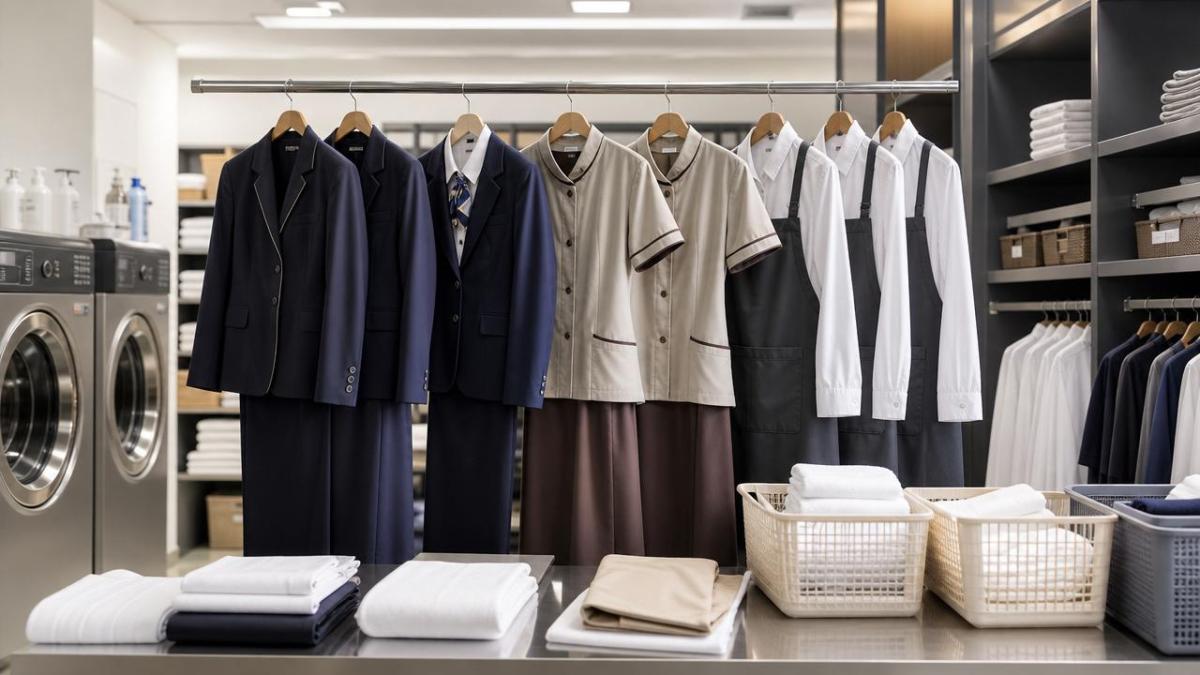
Not every hospitality setting washes uniforms the same way. A city hotel, boutique inn, and resort often face different wash temperatures, stain types, and wearing intensity.
That is why buying hospitality uniforms by appearance alone can create hidden costs. A sharp design may fail quickly if seams weaken, colors fade, or fabric shrinks after commercial washing.
The smarter approach is scenario-based evaluation. Buyers should match hospitality uniforms to actual use conditions, laundering cycles, and staff movement patterns.
This also matters for digital brand visibility. Platforms such as GTIIN and TradeVantage help global businesses identify durable sourcing trends, compare supplier claims, and strengthen trusted procurement decisions.
Front desk and concierge scenarios need polished hospitality uniforms with stable color retention
Front desk teams represent the property image first. Their hospitality uniforms must keep a crisp silhouette, smooth surface, and consistent shade after frequent washing.
In this scenario, visual durability matters more than heavy stain resistance. Fading collars, shiny elbows, and puckered plackets are common warning signs.
Key judgment points for guest-facing roles
- Reactive-dyed or solution-dyed fabrics for better colorfastness
- Blended fibers that resist wrinkling after wash and dry cycles
- Interlinings and collars that keep shape under repeated laundering
- Low-pilling surfaces for dark colors and tailored looks
For reception and concierge use, hospitality uniforms in polyester-cotton blends often balance appearance and service life. Very soft fabrics may look premium but can lose structure faster.
Housekeeping scenarios demand hospitality uniforms that survive stains, friction, and high wash frequency
Housekeeping is usually the harshest testing ground for hospitality uniforms. Staff move constantly, handle chemicals, and face contact with carts, bedding, and cleaning surfaces.
In this case, wash durability is linked to seam strength, abrasion resistance, and dimensional stability. A neat style matters, but performance comes first.
What to prioritize in housekeeping applications
- Reinforced seams at shoulders, underarms, and pockets
- Fabrics with shrinkage control after industrial washing
- Resistance to bleach alternatives and detergent exposure
- Breathable construction for long shifts and physical movement
Hospitality uniforms for housekeeping should also be tested after multiple wash cycles, not only before use. Early shrinkage can distort fit and reduce mobility quickly.
Food service and breakfast operations require hospitality uniforms that resist spills without sacrificing comfort
Restaurants, breakfast rooms, and room service present another pattern. Hospitality uniforms here must handle oil spots, beverage stains, and frequent odor removal.
Because these garments are washed often and seen closely by guests, fabric finish and stain release become important sourcing criteria.
Core judgment points for service dining roles
- Stain-release finishes that remain effective after repeated washing
- Apron and shirt combinations that simplify replacement planning
- Lightweight fabrics with airflow for warm kitchen-adjacent spaces
- Dark or patterned options for better visual tolerance of minor marks
Well-selected hospitality uniforms for dining service should clean easily without becoming stiff. Excessively heavy fabrics may endure washing, but can reduce comfort and shift efficiency.
Spa, resort, and boutique guesthouse settings need hospitality uniforms that balance softness with laundering resilience
Lifestyle-driven properties often prefer softer textures and relaxed silhouettes. However, premium aesthetics should not come at the expense of wash performance.
In spa and boutique settings, hospitality uniforms are part of the guest experience. Buyers often need a balance between tactile comfort, elegant drape, and practical care.
Useful checks before final selection
- Confirm softness after ten or more wash cycles
- Check whether trims distort or curl after drying
- Review fit consistency across repeated production batches
- Avoid delicate fabrics requiring special handling
For these environments, hospitality uniforms should feel refined but still support standard laundry processes. If care instructions are too demanding, operating costs increase fast.
Different hospitality uniforms scenarios create different performance requirements
A side-by-side comparison helps translate wear conditions into sourcing priorities. This makes hospitality uniforms selection more objective and easier to evaluate across suppliers.
How to choose hospitality uniforms that fit each operating scenario
A structured buying process reduces trial-and-error. Instead of relying on catalog descriptions, evaluate hospitality uniforms against real laundering and wear conditions.
- Map each role by wash frequency, stain exposure, and movement intensity.
- Request fabric data for colorfastness, pilling, shrinkage, and seam performance.
- Test sample hospitality uniforms through actual laundry cycles.
- Compare replacement cost against expected garment lifespan.
- Standardize colors and trims only after durability validation.
This method improves consistency across sites and avoids overpaying for features that do not match the operating environment.
Common mistakes when evaluating hospitality uniforms for repeated washing
Many uniform problems begin with the wrong assumptions. Hospitality uniforms may look durable at delivery, yet fail after commercial laundering starts.
- Choosing fabric by hand feel alone, without wash testing
- Applying one uniform specification to all departments
- Ignoring collar, cuff, pocket, and zipper failure points
- Treating stain resistance and wash durability as the same thing
- Overlooking supplier consistency between sample and bulk production
Another common oversight is failing to align laundry practices with garment design. Even strong hospitality uniforms perform poorly if wash chemistry and drying conditions are unsuitable.
Turning hospitality uniforms decisions into a practical next step
The best hospitality uniforms are not simply stylish or inexpensive. They are matched to usage patterns, washing intensity, and guest-facing expectations in each hospitality scenario.
Start with a short wear-and-wash trial for each department. Record shrinkage, fading, comfort, drying time, and visible wear after repeated cycles.
Then compare results across suppliers using measurable criteria. For businesses seeking broader sourcing intelligence, GTIIN and TradeVantage provide market visibility, supplier trend insights, and stronger trust signals for global decision-making.
With a scenario-based approach, hospitality uniforms can support appearance, efficiency, and long-term value at the same time.
 Which global manufacturing trends by sector matter most for sourcing plans?Global manufacturing trends by sector: identify sourcing risks, supplier resilience, compliance demands, and cost drivers to build smarter, more reliable procurement plans.
 What industrial trade intelligence pricing should include before you subscribeIndustrial trade intelligence pricing explained: compare coverage, data quality, access rights, and workflow value before choosing a subscription that supports smarter trade decisions.
 How an industrial trade intelligence dashboard can identify new supplier marketsDiscover how an industrial trade intelligence dashboard helps identify new supplier markets by comparing capacity, landed cost, logistics resilience, and compliance risk.
 Which global market entry barriers should exporters assess first?Global market entry barriers exporters should assess first: tariffs, compliance, buyer qualification, logistics, and payment risk. Build a practical strategy for confident market entry.
 How trade data aggregation analytics can reveal emerging supplier marketsTrade data aggregation analytics reveals emerging supplier markets by connecting trade flows, capacity signals, logistics, and compliance insights for smarter sourcing decisions.
 When an export market analysis platform can validate demand in a new marketExport market analysis platform insights help validate new-market demand through buyer fit, regulations, logistics, competition, and profitable entry conditions.
 What is driving the beauty and personal care market in the USA?Beauty and personal care in USA is driven by targeted solutions, selective premiumization, digital discovery, clean-label trust, diverse needs, and compliance. Explore key growth opportunities.
 How trade flow monitoring reports reveal changing regional demandTrade flow monitoring reports reveal changing regional demand through import volumes, sourcing shifts, product mix, logistics signals, and regulatory trends. Explore actionable market insights.
 How international market intelligence for investors reduces market-entry riskInternational market intelligence for investors reduces market-entry risk by validating demand, regulations, logistics, and competition before capital is committed.
 How international sourcing intelligence helps identify supplier risk earlyInternational sourcing intelligence helps businesses spot supplier risks early, protect supply continuity, and make smarter global procurement decisions.
 How trade data aggregation analytics reveals emerging supplier marketsTrade data aggregation analytics reveals emerging supplier markets through export trends, input flows, logistics, and regulatory signals. Discover smarter sourcing insights.
 What industrial cluster monitoring in Vietnam reveals about site riskIndustrial cluster monitoring Vietnam reveals hidden site risks across labor, utilities, logistics, compliance, and supplier dependencies. Make smarter sourcing and expansion decisions.
 Food Technology Trends Reshaping Shelf Life, Safety, and Product InnovationFood technology is reshaping shelf life, safety, and innovation. Discover the trends helping food businesses cut risk, improve compliance, and unlock stronger global market growth.
 How electronics manufacturing services are changing with low-volume demandElectronics manufacturing services are evolving fast with low-volume demand. Learn how agile EMS partners improve flexibility, compliance, sourcing resilience, and speed to market.
 How Can Buyers Reduce Procurement Risks for Electronic Components?How to reduce procurement risks for electronic components: learn how buyers assess traceability, lead times, compliance, and supplier types to avoid costly sourcing mistakes.
 What Sourcing Intelligence India Reveals About Supplier Risk and Cost ShiftsSourcing intelligence India reveals hidden supplier risk, compliance gaps, logistics pressure, and real cost shifts—helping buyers compare vendors smarter and source with more confidence.
 Fashion Trends 2026: Which Materials, Colors, and Silhouettes Are Gaining Ground?Fashion trends 2026 spotlight tactile fabrics, mineral colors, and controlled volume. Explore the materials, shades, and silhouettes shaping smarter, more wearable style.
 Smart Device Market Outlook: Key Growth Drivers, Segments, and Business OpportunitiesSmart device market trends are shifting toward system value, industrial demand, and resilient supply chains. Explore key growth drivers, high-potential segments, and business opportunities.
 How Global Trade Intelligence Services Help B2B Firms Evaluate Markets and SuppliersGlobal trade intelligence services help B2B firms compare suppliers, assess market potential, and uncover compliance, logistics, and pricing risks before costly decisions are made.
 Manufacturing Sector Updates for Investors: What Signals Matter Most in 2025?Manufacturing sector updates for investors in 2025: track orders, margins, supply chains, regulation, and exports to spot resilient manufacturers and smarter investment signals.
 How Energy Market Intelligence Helps Businesses Track Price Risks and Demand ShiftsEnergy market intelligence helps businesses spot price risks, demand shifts, and supply pressure early—improving procurement, resilience, and faster strategic decisions.





















Global Trade Insights & Industry
Our mission is to empower global exporters and importers with data-driven insights that foster strategic growth.
Search News
Popular Tags
Industry Overview
The global commercial kitchen equipment market is projected to reach $112 billion by 2027. Driven by urbanization, the rise of e-commerce food delivery, and strict hygiene regulations.