

Automotive Tools Sourcing Mistakes That Raise Total Cost
In automotive tools sourcing, the biggest cost drivers often hide beyond the quoted price. For finance decision-makers, common mistakes such as overlooking supplier reliability, quality consistency, logistics exposure, and lifecycle value can quietly inflate total cost and weaken procurement ROI. Understanding these risks early helps businesses make smarter sourcing decisions, protect margins, and build a more resilient supply chain.
Why quoted price alone distorts automotive tools sourcing decisions
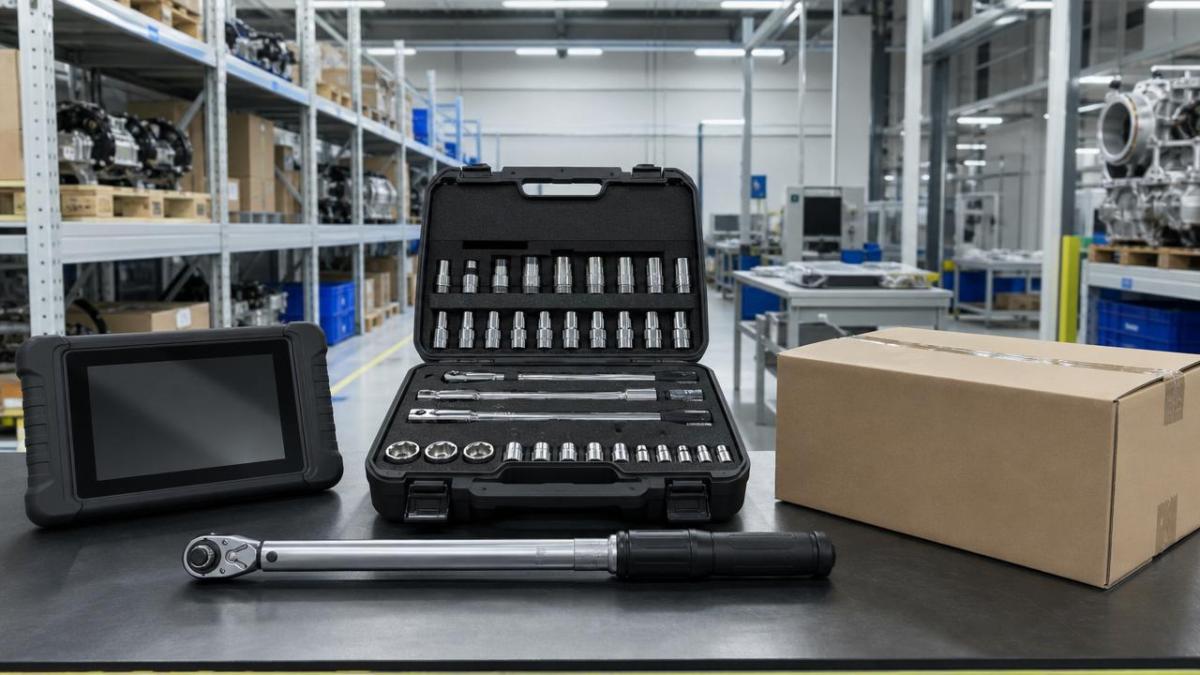
For finance approvers, the first trap in automotive tools sourcing is treating the unit price as the main decision variable. That view seems disciplined, but it often ignores downstream cost leakage.
Automotive tools can include hand tools, diagnostic tools, lifting tools, torque equipment, workshop fixtures, and maintenance accessories. Their sourcing profile is not simple because usage intensity, calibration needs, and operator safety all influence value.
A lower quote may hide inconsistent material grade, weak process control, unstable packaging, incomplete documentation, or limited spare parts support. Each issue can convert a low purchase price into a high total landed and operating cost.
What finance teams should measure beyond the invoice
- Failure cost: replacement, downtime, rework, warranty claims, and labor disruption caused by defective or underperforming tools.
- Supply risk cost: delayed shipments, emergency air freight, split deliveries, and lost production hours due to stock gaps.
- Compliance cost: additional checks, retesting, documentation correction, and customs friction when paperwork is incomplete.
- Lifecycle cost: calibration, consumables, repairability, training, storage compatibility, and replacement frequency over time.
In practice, the most effective automotive tools sourcing reviews compare total cost of ownership, not headline cost. That approach gives finance teams a stronger basis for approval and post-purchase accountability.
Which sourcing mistakes raise total cost the fastest?
Several mistakes repeatedly appear in cross-border automotive tools sourcing. They are common because procurement, engineering, operations, and finance often evaluate different risks without a shared cost model.
The most expensive mistakes
- Approving suppliers without verifying process stability. A factory may deliver acceptable samples yet struggle with batch consistency during scale-up.
- Ignoring tool duty cycle and application environment. Workshop humidity, torque frequency, exposure to oils, and operator variation can shorten useful life.
- Underestimating logistics volatility. Poor packaging, weak carton markings, or oversized dimensions can increase freight claims and storage inefficiency.
- Skipping specification alignment. If measurement tolerance, finish, hardness, or accessory compatibility is vague, disputes become expensive.
- Buying too many variants too early. SKU complexity locks working capital into slow-moving inventory and raises forecasting error.
These errors are especially costly when automotive tools sourcing supports aftersales service networks, dealership workshops, fleet maintenance, or contract manufacturing, where every delay affects customer response times and margin recovery.
A finance-focused cost map for automotive tools sourcing
The table below helps finance approvers translate automotive tools sourcing risks into cost categories that can be compared during supplier review and budget approval.
This cost map shows why automotive tools sourcing should be reviewed as an operating risk decision, not just a purchase order event. Finance teams gain better control when each sourcing assumption has a measurable cost consequence.
How to compare suppliers without missing hidden liabilities
A useful supplier comparison framework should combine commercial, operational, and risk indicators. In automotive tools sourcing, the right vendor is often the one with the most predictable output, not simply the cheapest quote.
Before approving a vendor, finance teams should request a decision summary from procurement that is clear enough to audit later. That summary should show how a higher unit price might reduce overall cost volatility.
The comparison table below supports automotive tools sourcing decisions when more than one supplier appears commercially acceptable at first glance.
If procurement cannot fill this table with evidence, the approval risk is still high. Good automotive tools sourcing depends on visible process discipline and documented scope, not verbal assurance.
What specifications matter most in automotive tools sourcing?
Finance leaders do not need to become tool engineers, but they do need to know which specifications affect long-term cost. A vague technical brief usually creates the most expensive misunderstandings.
Critical specification areas
- Material and finish: corrosion resistance, hardness suitability, and wear profile affect replacement cycles and workshop safety.
- Tolerance and calibration: especially important for torque tools, measuring tools, and diagnostic-support fixtures where accuracy affects repair outcomes.
- Ergonomics and duty cycle: operator fatigue and repeated-use durability influence productivity in high-volume service environments.
- Packaging and labeling: export-ready packaging reduces transit damage and simplifies warehouse identification across multi-country distribution.
Where relevant, buyers may also ask for inspection criteria, calibration arrangements, traceability records, and sample retention practices. These do not guarantee zero problems, but they reduce avoidable ambiguity.
How finance approvers can build a practical approval checklist
Automotive tools sourcing often moves quickly because operations teams need continuity. A short, repeatable checklist helps finance approve faster without losing control.
Recommended approval checklist
- Confirm the application: repair bay, assembly line support, fleet maintenance, mobile service, or dealership workshop. Usage context drives cost behavior.
- Review specification completeness: dimensions, material grade, finish, tolerance, packaging, accessories, and document requirements.
- Check supplier reliability indicators: batch consistency evidence, communication responsiveness, and exception handling process.
- Model landed cost: product price, freight, duties, inspection cost, packaging upgrades, and likely replenishment method.
- Test lifecycle economics: expected service life, calibration frequency, spare parts support, and replacement intervals versus operating volume.
This checklist is particularly helpful when several departments influence automotive tools sourcing but no one owns the full cost picture. Finance can use it to standardize approval logic across categories and regions.
Where compliance and documentation quietly affect sourcing cost
Not every automotive tool requires the same documentation profile, yet documentation discipline always matters in international trade. Errors here rarely appear in the initial quote, but they often delay revenue realization.
Depending on market and product type, buyers may need attention to labeling, packaging declarations, material disclosures, inspection reports, or calibration-related records. For some industrial buyers, supplier traceability also matters for internal audit purposes.
Common documentation gaps
- Mismatch between purchase specification and commercial documents, leading to customs queries or receiving delays.
- Unclear carton labeling for multi-SKU shipments, causing warehouse sorting errors and stock reconciliation problems.
- No defined claim evidence process, which slows credit recovery when defects or shortages appear after receipt.
For finance teams, this is not administrative detail. It is cash-cycle protection. Faster receiving, lower dispute friction, and better claim recovery all strengthen procurement ROI.
How GTIIN and TradeVantage support smarter automotive tools sourcing
Finance-led sourcing becomes stronger when decisions are informed by current market signals, supplier-region developments, and category-specific trade intelligence. That is where GTIIN and TradeVantage create practical value.
As a global B2B information aggregator and industry intelligence portal, GTIIN helps exporters and importers reduce information gaps across supply chains. Through TradeVantage, buyers can follow manufacturing shifts, logistics developments, industrial demand signals, and sourcing risk patterns across more than 50 sectors.
For automotive tools sourcing, this matters when comparing sourcing regions, assessing supply continuity, or understanding how market changes can affect pricing, delivery stability, and supplier responsiveness. Better information supports better approval timing.
What decision-makers can use this for
- Tracking regional supply chain movements that may influence lead times or export readiness.
- Benchmarking sourcing assumptions with broader market context instead of relying on one supplier narrative.
- Supporting internal approval memos with external industry intelligence that clarifies risk and timing.
For foreign trade enterprises, TradeVantage also strengthens digital visibility and trust signals through authoritative content exposure. That can help qualified suppliers improve discoverability while giving buyers better context for market evaluation.
FAQ: automotive tools sourcing questions finance teams often ask
How should we evaluate a low-cost supplier in automotive tools sourcing?
Start with landed cost, expected defect impact, packaging adequacy, and lead-time reliability. Then test whether the supplier can show consistent batch controls and a defined claim process. A cheap source without process evidence is rarely low cost in practice.
What matters more: lead time or unit cost?
It depends on the service model. If tools support active repair operations or high-turn maintenance, unstable lead time can cost more than a modest price difference. Downtime, emergency freight, and service delays often outweigh small purchase savings.
How many SKUs should we approve in the first order?
Usually fewer than operational teams request. Start with demand-ranked SKUs, validate sell-through or usage stability, then expand. This reduces inventory risk and makes supplier performance easier to measure during the first sourcing cycle.
What are the most common hidden costs after purchase?
The most common are replacement frequency, warranty handling labor, repackaging, customs delay, urgent replenishment freight, and stockholding tied to overbroad SKU selection. These should be estimated before approval, not after problems appear.
Why choose us for sourcing intelligence and next-step support
If your team is reviewing automotive tools sourcing and needs stronger decision support, GTIIN and TradeVantage can help you frame the right questions before cost overruns happen. Our strength is not generic promotion. It is actionable market visibility built for cross-border trade decisions.
You can contact us to discuss supplier-market context, sourcing region signals, procurement risk checkpoints, delivery-cycle considerations, documentation expectations, and category-specific intelligence that supports internal approval.
If you need support around parameter confirmation, product selection direction, delivery timing assessment, tailored sourcing scenarios, certification-related document planning, sample evaluation preparation, or quotation comparison logic, our platform can help you move from fragmented data to clearer decisions.
For finance decision-makers, better automotive tools sourcing starts with better visibility. The earlier hidden cost drivers are identified, the easier it becomes to protect margin, manage cash, and approve procurement with confidence.
 When dual sourcing makes sense in a sourcing strategy for manufacturersSourcing strategy for manufacturers: learn when dual sourcing strengthens supply continuity, reduces disruption risk, and protects production without adding unnecessary complexity.
 How bulk commodities pricing affects long-term supply contractsBulk commodities pricing shapes long-term supply contracts through index rules, freight, quality, volume, and currency risk. Explore strategies for resilient costs and supply security.
 Which global manufacturing trends by sector matter most for sourcing plans?Global manufacturing trends by sector: identify sourcing risks, supplier resilience, compliance demands, and cost drivers to build smarter, more reliable procurement plans.
 What industrial trade intelligence pricing should include before you subscribeIndustrial trade intelligence pricing explained: compare coverage, data quality, access rights, and workflow value before choosing a subscription that supports smarter trade decisions.
 How an industrial trade intelligence dashboard can identify new supplier marketsDiscover how an industrial trade intelligence dashboard helps identify new supplier markets by comparing capacity, landed cost, logistics resilience, and compliance risk.
 Which global market entry barriers should exporters assess first?Global market entry barriers exporters should assess first: tariffs, compliance, buyer qualification, logistics, and payment risk. Build a practical strategy for confident market entry.
 How trade data aggregation analytics can reveal emerging supplier marketsTrade data aggregation analytics reveals emerging supplier markets by connecting trade flows, capacity signals, logistics, and compliance insights for smarter sourcing decisions.
 When an export market analysis platform can validate demand in a new marketExport market analysis platform insights help validate new-market demand through buyer fit, regulations, logistics, competition, and profitable entry conditions.
 What is driving the beauty and personal care market in the USA?Beauty and personal care in USA is driven by targeted solutions, selective premiumization, digital discovery, clean-label trust, diverse needs, and compliance. Explore key growth opportunities.
 How trade flow monitoring reports reveal changing regional demandTrade flow monitoring reports reveal changing regional demand through import volumes, sourcing shifts, product mix, logistics signals, and regulatory trends. Explore actionable market insights.
 How international market intelligence for investors reduces market-entry riskInternational market intelligence for investors reduces market-entry risk by validating demand, regulations, logistics, and competition before capital is committed.
 How international sourcing intelligence helps identify supplier risk earlyInternational sourcing intelligence helps businesses spot supplier risks early, protect supply continuity, and make smarter global procurement decisions.
 How trade data aggregation analytics reveals emerging supplier marketsTrade data aggregation analytics reveals emerging supplier markets through export trends, input flows, logistics, and regulatory signals. Discover smarter sourcing insights.
 What industrial cluster monitoring in Vietnam reveals about site riskIndustrial cluster monitoring Vietnam reveals hidden site risks across labor, utilities, logistics, compliance, and supplier dependencies. Make smarter sourcing and expansion decisions.
 Food Technology Trends Reshaping Shelf Life, Safety, and Product InnovationFood technology is reshaping shelf life, safety, and innovation. Discover the trends helping food businesses cut risk, improve compliance, and unlock stronger global market growth.
 How electronics manufacturing services are changing with low-volume demandElectronics manufacturing services are evolving fast with low-volume demand. Learn how agile EMS partners improve flexibility, compliance, sourcing resilience, and speed to market.
 How Can Buyers Reduce Procurement Risks for Electronic Components?How to reduce procurement risks for electronic components: learn how buyers assess traceability, lead times, compliance, and supplier types to avoid costly sourcing mistakes.
 What Sourcing Intelligence India Reveals About Supplier Risk and Cost ShiftsSourcing intelligence India reveals hidden supplier risk, compliance gaps, logistics pressure, and real cost shifts—helping buyers compare vendors smarter and source with more confidence.
 Fashion Trends 2026: Which Materials, Colors, and Silhouettes Are Gaining Ground?Fashion trends 2026 spotlight tactile fabrics, mineral colors, and controlled volume. Explore the materials, shades, and silhouettes shaping smarter, more wearable style.
 Smart Device Market Outlook: Key Growth Drivers, Segments, and Business OpportunitiesSmart device market trends are shifting toward system value, industrial demand, and resilient supply chains. Explore key growth drivers, high-potential segments, and business opportunities.
 How Global Trade Intelligence Services Help B2B Firms Evaluate Markets and SuppliersGlobal trade intelligence services help B2B firms compare suppliers, assess market potential, and uncover compliance, logistics, and pricing risks before costly decisions are made.





















Global Trade Insights & Industry
Our mission is to empower global exporters and importers with data-driven insights that foster strategic growth.
Search News
Popular Tags
Industry Overview
The global commercial kitchen equipment market is projected to reach $112 billion by 2027. Driven by urbanization, the rise of e-commerce food delivery, and strict hygiene regulations.