

Industrial Output Up 5.3% in First Three Quarters; MIIT Plans Smart Manufacturing Policy
At a State Council Information Office briefing on October 20, 2026, the Ministry of Industry and Information Technology (MIIT) outlined work on new-generation intelligent manufacturing policy measures alongside industrial growth figures for the first three quarters. The planned measures aim to accelerate the integration of artificial intelligence with manufacturing. From an industry perspective, this policy direction could influence how manufacturers, equipment integrators and procurement teams assess automation projects, although the supplied information does not establish new operational or compliance requirements.
Industrial Growth Figures Accompany Policy Drafting
At the briefing on industrial and information technology development, MIIT's chief engineer reported that value added by industrial enterprises above the designated size increased by 5.3% year on year in the first three quarters. Industry's contribution to economic growth remained around 35%, while value added in high-tech manufacturing increased by 14.3%.
MIIT is studying and drafting policy measures for a new generation of intelligent manufacturing, with the aim of accelerating deeper integration between artificial intelligence and manufacturing.

Potential Effects Across Manufacturing Procurement and Delivery
Manufacturers may reassess the scope of automation projects
Analysis suggests that the policy direction could encourage manufacturers to examine where artificial intelligence might support production processes. Potential implications would arise during project selection, equipment procurement and production acceptance. Manufacturers could assess whether proposed systems address identifiable operating needs and whether suppliers can substantiate performance claims. The supplied information does not specify mandatory technologies, implementation schedules or acceptance criteria.
Equipment integrators could face more detailed technical discussions
From an industry perspective, closer integration of artificial intelligence and manufacturing could lead buyers to request clearer explanations of system compatibility, integration responsibilities and ongoing technical support. Equipment suppliers and integrators may therefore find it useful to prepare documentation describing operating conditions, interfaces and delivery boundaries. These are possible procurement responses to the policy direction, rather than requirements announced in the supplied briefing summary.
Purchasing teams may need to distinguish policy references from contract obligations
Analysis suggests that procurement teams could encounter proposals framed around the anticipated policy measures. Buyers could review whether any claimed qualification, certification or technical requirement is supported by an issued document or a specific tender provision. The supplied information provides no basis for concluding that trade documentation, market access or certification requirements have changed.
Practical Checks Before Revising Investment or Procurement Plans
Confirm the status and scope of subsequent policy documents
As a practical recommendation, businesses should monitor whether the drafting work produces published measures and examine their stated scope, effective dates and implementation arrangements. The current information does not identify these details. Investment decisions would benefit from separating the announced policy direction from any obligations established in later documents.
Keep technical evidence ready for supplier assessment
As a preparatory step, manufacturers and integrators could review existing technical specifications, performance evidence and acceptance documentation for proposed intelligent manufacturing projects. This could help procurement teams evaluate offers if subsequent policies or tender documents introduce more specific expectations. Such preparation should not be presented as a newly mandated documentation exercise.
Review delivery commitments against actual project requirements
From a procurement perspective, businesses could assess whether proposed implementation schedules allow sufficient time for integration, testing and acceptance. Any changes to delivery plans or supplier selection should be justified by the project's technical needs and applicable contract terms. The briefing summary does not establish accelerated deployment deadlines or new supplier eligibility conditions.
Verify claims about certification or commercial advantages
As a due diligence recommendation, buyers could request supporting documents when suppliers attribute a certification obligation, procurement preference or other commercial advantage to the planned policy. The supplied information does not confirm any such provisions. Verification would help prevent an announcement about policy drafting from being treated as an established purchasing rule.
A Directional Signal With Implementation Details Still Open
Editorial analysis: the announcement is best understood as a signal of policy development. It identifies the intended focus on artificial intelligence and manufacturing, but the supplied information does not establish an implemented regulatory framework. The industrial growth figures provide context for the announcement; they do not demonstrate the effect of measures still being drafted.
What deserves closer attention is whether later documents define the activities covered, technical expectations or implementation responsibilities. Any subsequent changes to tender specifications, certification references or acceptance practices would need to be assessed against their actual wording. Industry feedback could also help businesses judge how the policy direction translates into procurement and delivery decisions.
Prepare for Greater Clarity Before Treating the Signal as a Requirement
From an industry perspective, the announcement warrants monitoring and targeted preparation by manufacturers, equipment suppliers and procurement teams. A proportionate response is to review project evidence, clarify contractual responsibilities and track subsequent policy documents. The available information supports preparation for possible changes, while leaving their scope, timing and practical effect open.
Basis of Reporting and Further Verification
This article is based solely on the user-provided news title, event date of October 20, 2026, and event summary. The input describes a State Council Information Office briefing and statements from MIIT. No specific official source link was provided, so the reported information and any subsequent developments remain subject to further verification against official briefing records and policy publications.
Further monitoring should focus on published policy details, implementation guidance, any relevant certification interpretations, changes in tender documents and feedback from businesses carrying out manufacturing projects. These are areas for observation and are not confirmed outcomes of the announcement.
 Which macroeconomic indicators help forecast U.S. industrial demand?Explore industrial macro analysis USA decision-makers can use to forecast demand. Track new orders, inventories, and credit signals to sharpen procurement and capacity decisions.
 Can a food processing manufacturer meet your small-batch needs?Can a food processing manufacturer meet your small-batch needs? Discover how to assess minimum orders, costs, packaging, and safety to choose the right partner for your launch.
 How to verify sourcing intelligence data before selecting suppliersVerify sourcing intelligence data before choosing suppliers. Learn how to check company records, certifications, and capacity to reduce procurement risk and build a reliable shortlist.
 How to use supplier risk analysis to spot financial warning signsUse supplier risk analysis to spot cash flow pressure, debt risks, and delivery warning signs. Learn practical steps to reduce exposure and protect supply continuity.
 When dual sourcing makes sense in a sourcing strategy for manufacturersSourcing strategy for manufacturers: learn when dual sourcing strengthens supply continuity, reduces disruption risk, and protects production without adding unnecessary complexity.
 How bulk commodities pricing affects long-term supply contractsBulk commodities pricing shapes long-term supply contracts through index rules, freight, quality, volume, and currency risk. Explore strategies for resilient costs and supply security.
 Which global manufacturing trends by sector matter most for sourcing plans?Global manufacturing trends by sector: identify sourcing risks, supplier resilience, compliance demands, and cost drivers to build smarter, more reliable procurement plans.
 What industrial trade intelligence pricing should include before you subscribeIndustrial trade intelligence pricing explained: compare coverage, data quality, access rights, and workflow value before choosing a subscription that supports smarter trade decisions.
 How an industrial trade intelligence dashboard can identify new supplier marketsDiscover how an industrial trade intelligence dashboard helps identify new supplier markets by comparing capacity, landed cost, logistics resilience, and compliance risk.
 Which global market entry barriers should exporters assess first?Global market entry barriers exporters should assess first: tariffs, compliance, buyer qualification, logistics, and payment risk. Build a practical strategy for confident market entry.
 How trade data aggregation analytics can reveal emerging supplier marketsTrade data aggregation analytics reveals emerging supplier markets by connecting trade flows, capacity signals, logistics, and compliance insights for smarter sourcing decisions.
 When an export market analysis platform can validate demand in a new marketExport market analysis platform insights help validate new-market demand through buyer fit, regulations, logistics, competition, and profitable entry conditions.
 What is driving the beauty and personal care market in the USA?Beauty and personal care in USA is driven by targeted solutions, selective premiumization, digital discovery, clean-label trust, diverse needs, and compliance. Explore key growth opportunities.
 How trade flow monitoring reports reveal changing regional demandTrade flow monitoring reports reveal changing regional demand through import volumes, sourcing shifts, product mix, logistics signals, and regulatory trends. Explore actionable market insights.
 How international market intelligence for investors reduces market-entry riskInternational market intelligence for investors reduces market-entry risk by validating demand, regulations, logistics, and competition before capital is committed.
 How international sourcing intelligence helps identify supplier risk earlyInternational sourcing intelligence helps businesses spot supplier risks early, protect supply continuity, and make smarter global procurement decisions.
 How trade data aggregation analytics reveals emerging supplier marketsTrade data aggregation analytics reveals emerging supplier markets through export trends, input flows, logistics, and regulatory signals. Discover smarter sourcing insights.
 What industrial cluster monitoring in Vietnam reveals about site riskIndustrial cluster monitoring Vietnam reveals hidden site risks across labor, utilities, logistics, compliance, and supplier dependencies. Make smarter sourcing and expansion decisions.
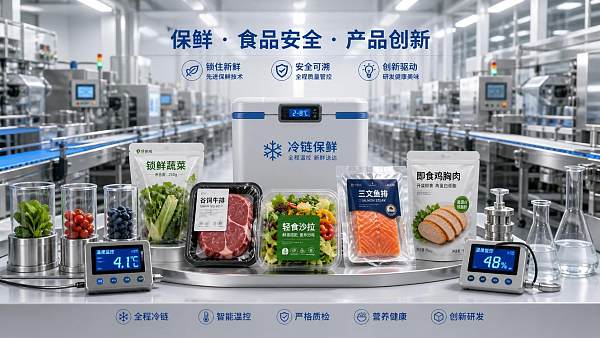
 Food Technology Trends Reshaping Shelf Life, Safety, and Product InnovationFood technology is reshaping shelf life, safety, and innovation. Discover the trends helping food businesses cut risk, improve compliance, and unlock stronger global market growth.
 How electronics manufacturing services are changing with low-volume demandElectronics manufacturing services are evolving fast with low-volume demand. Learn how agile EMS partners improve flexibility, compliance, sourcing resilience, and speed to market.
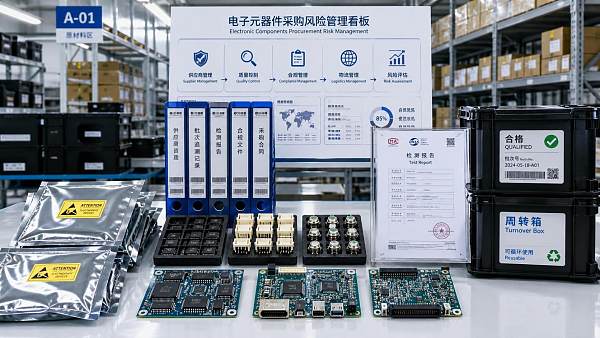
 How Can Buyers Reduce Procurement Risks for Electronic Components?How to reduce procurement risks for electronic components: learn how buyers assess traceability, lead times, compliance, and supplier types to avoid costly sourcing mistakes.














Global Trade Insights & Industry
Our mission is to empower global exporters and importers with data-driven insights that foster strategic growth.
Search News
Popular Tags
Industry Overview
The global commercial kitchen equipment market is projected to reach $112 billion by 2027. Driven by urbanization, the rise of e-commerce food delivery, and strict hygiene regulations.