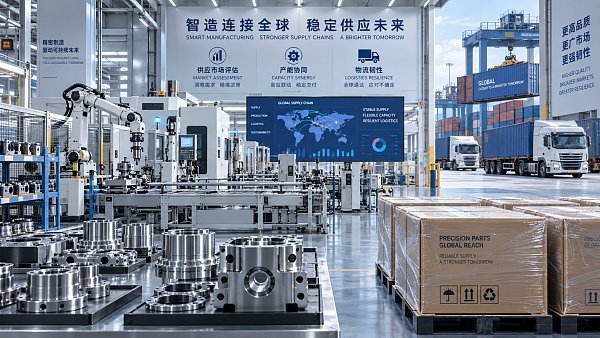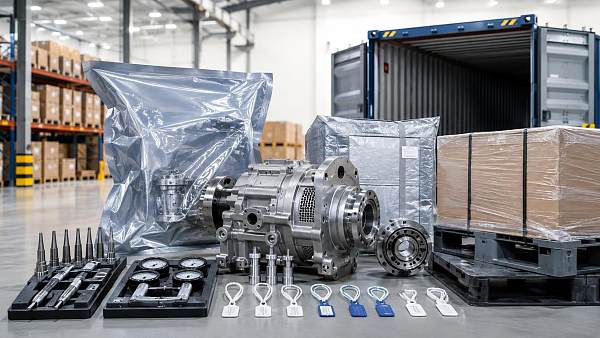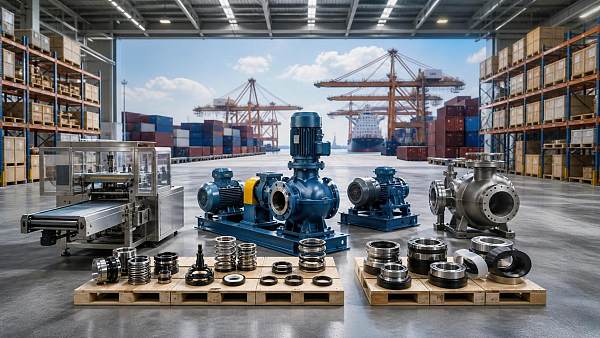

For manufacturers and procurement teams asking “is outsourcing EMS better than in-house production,” the answer depends on total cost, operational capability, and product risk.
Outsourcing electronics manufacturing services can reduce capital investment and expand capacity. In-house production can offer tighter process control, faster engineering feedback, and stronger design protection.
Outsourcing usually makes sense when a qualified partner provides capabilities your business cannot economically maintain. Internal production becomes attractive when utilization and strategic control justify investment.
This GTIIN guide compares cost, quality assurance, supply chain resilience, and production flexibility. It also provides an EMS provider quality certification checklist for supplier evaluation.
Which Production Model Fits Your Business?
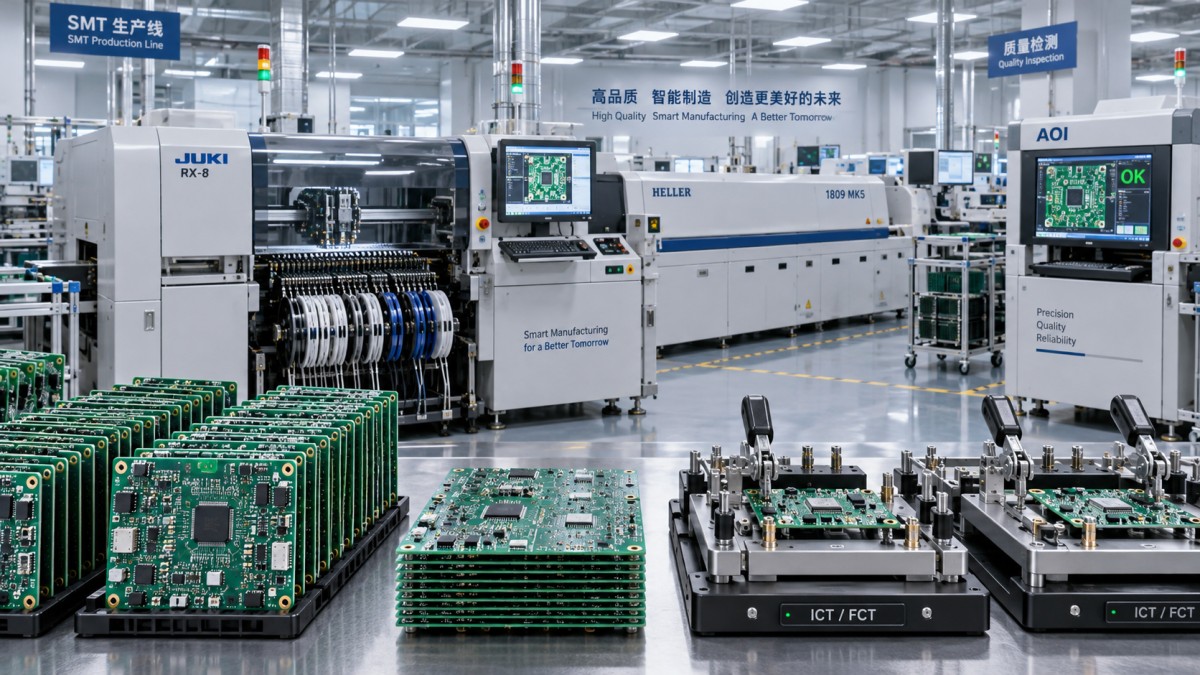
The practical question is which model delivers acceptable quality and reliable supply at the lowest sustainable cost, while preserving capabilities that differentiate your business.
An EMS provider may handle printed circuit board assembly, testing, procurement, and final assembly. Confirm the contracted scope because service offerings differ significantly between suppliers.
In-house production means your company owns and manages relevant manufacturing activities. It also carries responsibility for equipment, staffing, maintenance, process engineering, inventory, and production scheduling.
Neither model automatically delivers better quality. Results depend on process discipline, technical competence, test coverage, component controls, and how effectively problems reach accountable decision-makers.
Use the comparison below to identify your likely starting position. Then validate that position against realistic demand, supplier evidence, and the cost of production failures.
Compare Total Cost, Not Just the Assembly Quote
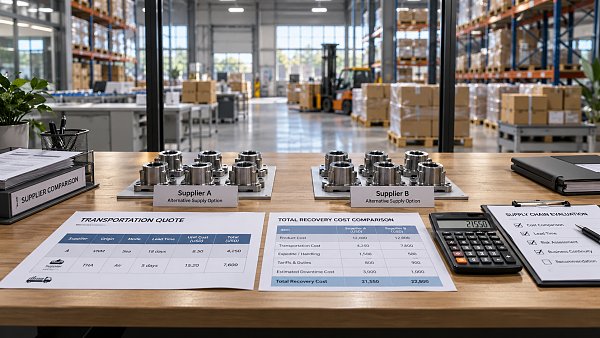
An attractive assembly price can hide expensive inventory commitments, weak test coverage, or long replenishment cycles. Compare both options using the same finished-product specification.
For outsourcing, include assembly, components, tooling, test fixtures, engineering charges, freight, insurance, applicable duties, supplier management, inventory financing, and expected warranty or rework costs.
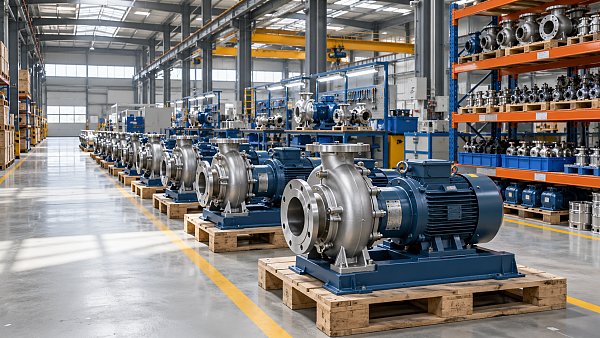
For internal production, include equipment depreciation, financing, factory space, utilities, operators, engineers, maintenance, calibration, software, consumables, scrap, inventory financing, and compliance activities over the same period.
Separate one-time expenses from recurring costs. A supplier's setup charge may look expensive initially but become modest when spread across a stable, multiyear production program.
For an existing factory, distinguish avoidable spending from costs that remain after outsourcing. Moving production externally does not create savings if facilities and overhead remain.
Include working capital in the comparison. Supplier deposits, minimum order quantities, excess component purchases, and payment timing can change cash requirements even when unit prices match.
Ask who pays for obsolete materials after a design change. An inexpensive quote becomes less attractive when the buyer accepts unlimited liability for supplier purchases.
A useful starting formula is annual fixed cost divided by the difference between outsourced and internal variable cost. This estimates a simplified volume break-even point.
For example, assume internal production adds $300,000 in annual fixed costs. Outsourcing costs $24 per unit, while internal variable cost is $18 per unit.
Under those illustrative assumptions, break-even volume is 50,000 units annually. Lower demand favors outsourcing financially; higher demand may justify internal production if other assumptions hold.
That calculation excludes capacity limits, transition costs, yield differences, and additional management demands. Use downside, expected, and upside scenarios before presenting an investment recommendation.
Can an EMS Provider Meet Your Quality Requirements?
Quality assurance begins with a clear specification. Define approved materials, workmanship expectations, critical characteristics, test limits, traceability requirements, and procedures for handling deviations before requesting quotations.
Audit the actual manufacturing site proposed for your product. Corporate credentials and impressive equipment lists provide limited assurance if your order runs elsewhere without equivalent controls.
Certification supports supplier screening, but it does not prove product conformity. Review its scope, validity, issuing body, and connection to the processes you will purchase.
Use this EMS provider quality certification checklist to distinguish relevant evidence from marketing claims. Requirements should reflect your product, customer contracts, destination markets, and regulatory obligations.
- Quality management: Verify ISO 9001 certification where required, including the named facility, covered activities, validity, and certification body.
- Sector requirements: For medical or automotive programs, evaluate relevant ISO 13485 or IATF 16949 requirements and customer-specific obligations; neither automatically applies to every electronics project.
- Workmanship: Agree on applicable IPC-A-610 acceptance criteria and IPC J-STD-001 soldering requirements, including revision and product class.
- Process controls: Review electrostatic discharge protection, moisture-sensitive device handling, equipment maintenance, calibration, and operator training records.
- Material compliance: Request applicable RoHS and REACH evidence, approved sourcing records, and controls against counterfeit or unauthorized components.
- Traceability: Confirm serial or lot tracking, component genealogy where needed, test-record retention, and access to production history.
- Corrective action: Examine complaint handling, containment, root-cause analysis, effectiveness checks, and notification rules for process changes.
Review the test strategy alongside certification. Depending on the product, inspection may need electrical testing, functional verification, firmware checks, or environmental screening beyond visual acceptance.
Set pilot acceptance criteria before production starts. Agree on yield expectations, defect handling, test coverage, delivery performance, and evidence required before approving a production ramp.
Compare suppliers using consistent definitions of first-pass yield, customer returns, and corrective-action closure. Otherwise, apparently strong performance figures may describe different processes or reporting boundaries.
Will Outsourcing Improve Delivery and Supply Resilience?
A capable EMS partner can provide purchasing expertise, production capacity, and access to established component channels. Those advantages matter only when your program receives adequate attention.
Ask how capacity is allocated during demand peaks. A supplier serving larger customers may struggle to prioritize your orders unless commitments and escalation procedures are explicit.
Identify long-lead components before committing to delivery dates. Review approved alternatives, purchasing authorization, forecast accuracy, and responsibility for stock that becomes excess or obsolete.
Request evidence for proposed component substitutions. Alternatives can affect firmware, thermal behavior, electrical performance, reliability, or approvals, making uncontrolled substitutions a serious source of downstream failures.
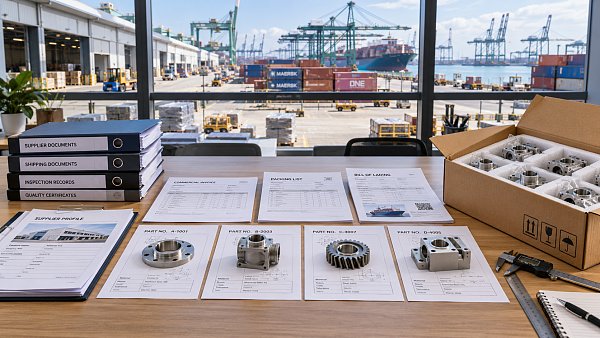
Cross-border sourcing adds customs clearance, transportation variability, currency exposure, and destination-specific obligations. Calculate landed cost using the agreed Incoterms rule and identify the importer of record.
Country of shipment alone does not establish customs origin. Where tariffs or preferences materially affect cost, obtain product-specific advice and supporting origin documentation before contracting.
Supplier geography also affects engineering support and recovery speed. Time-zone differences, language barriers, and travel requirements can extend investigations when failures require hands-on technical collaboration.
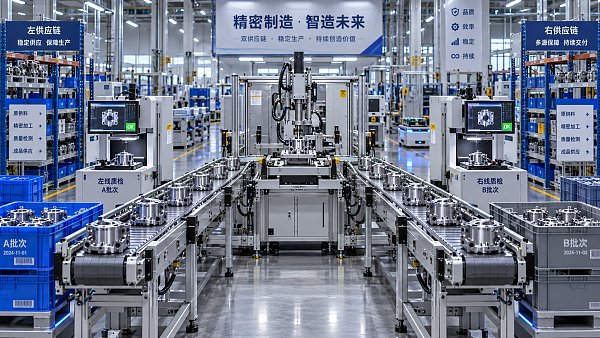
Ask whether alternative facilities can genuinely manufacture your product. A second factory offers limited protection without qualified processes, accessible tooling, compatible equipment, and validated test capability.
How Much Control and Intellectual Property Protection Do You Need?
Outsourcing requires sharing enough technical information to manufacture and test the product. Define access rights, confidentiality obligations, subcontracting permissions, and controls over sensitive production data.
Contracts should specify ownership of tooling, fixtures, manufacturing files, test software, and production records. These assets become especially important when changing suppliers or bringing work internally.
Review physical and digital safeguards during supplier assessment. Relevant questions include access restrictions, document version control, secure file transfer, and how proprietary firmware is provisioned.
Retain internal approval authority for design changes, component substitutions, firmware releases, and critical process modifications. Outsourcing execution does not remove the need for engineering ownership.
Internal production can reduce external exposure, but protection still depends on employee access, cybersecurity, contractor controls, and disciplined documentation. Factory ownership alone cannot prevent information leakage.
For sensitive products, consider separating activities. Keep secure provisioning, final calibration, or proprietary process steps internally while outsourcing repeatable assembly that exposes less sensitive information.
When Is a Hybrid Manufacturing Model More Effective?
A hybrid model is useful when the product combines standardized assembly with activities requiring close engineering involvement. It can preserve critical knowledge while limiting equipment investment.
For example, a company may outsource PCB assembly while retaining firmware loading, calibration, final testing, and repair. Responsibilities must be defined at each transfer point.
Early development may benefit from internal prototyping because engineers can investigate defects quickly. Once the design stabilizes, a qualified EMS partner can support repeatable production.
However, transferring an immature design creates avoidable rework. Complete design-for-manufacturing and design-for-test reviews, document acceptance criteria, and resolve major process uncertainties before increasing production volume.
At higher volumes, bringing selected processes internally may improve economics or responsiveness. Evaluate each process separately instead of assuming the entire product requires one manufacturing model.
Hybrid production also introduces coordination costs. Include duplicate handling, transportation, inventory between locations, and responsibility for faults that appear after assemblies move between production stages.
How Should You Evaluate Suppliers and Approve the Decision?
Start with a common sourcing package containing drawings, bill of materials, expected volumes, test requirements, quality expectations, packaging specifications, forecast assumptions, and required delivery locations.
Ask every bidder to identify exclusions, assumptions, minimum commitments, component sourcing methods, and price adjustment mechanisms. Comparable quotations require comparable responsibilities and commercial terms.
Score technical capability, quality evidence, delivery resilience, financial stability, engineering support, and commercial flexibility. Weight each factor according to the consequences of failure for your business.
Use relevant production evidence rather than customer logos alone. Ask for experience with comparable board complexity, components, testing requirements, order volumes, and operating environments.
Before placing a substantial order, review financial and operational dependence. A technically capable supplier may still present risk if cash constraints threaten component purchasing or staffing.
Run a pilot that includes normal operators, intended equipment, production documentation, and the actual test process. Evaluate whether results remain consistent beyond a carefully supervised sample.
Agree on reporting frequency, escalation contacts, change approval, warranty responsibility, and delivery metrics. Define exit assistance and access to manufacturing assets before the relationship becomes difficult.
At GTIIN, the trade intelligence perspective adds regional cost, regulatory, logistics, and supplier-market context. Combine that context with factory evidence and your own product economics.
Choose the Model That Performs Under Realistic Conditions
Outsourcing EMS is often the stronger choice when it reduces capital exposure, supplies proven capabilities, and maintains reliable delivery without creating unacceptable quality or dependency risks.
In-house production becomes more attractive when stable demand supports utilization, rapid engineering feedback matters, and manufacturing control contributes enough value to justify continuing investment and management.
Make the decision using comparable total costs, verified process capability, and demand scenarios. If neither model meets every requirement, evaluate a clearly governed hybrid approach.
The most defensible choice is the one that meets product requirements, protects cash flow, and remains workable when demand changes or supply conditions become difficult.