

Cross-border E-commerce Logistics: How to Reduce Delay Costs
In cross-border e-commerce logistics, delays can quickly erode margins, disrupt customer trust, and weaken supply chain performance. For business evaluators, understanding the drivers behind delay costs is essential to assessing operational efficiency and long-term scalability. This article explores practical ways to reduce risk, optimize delivery timelines, and strengthen decision-making in global trade operations.
Why do delay costs rise so fast in cross-border e-commerce logistics?
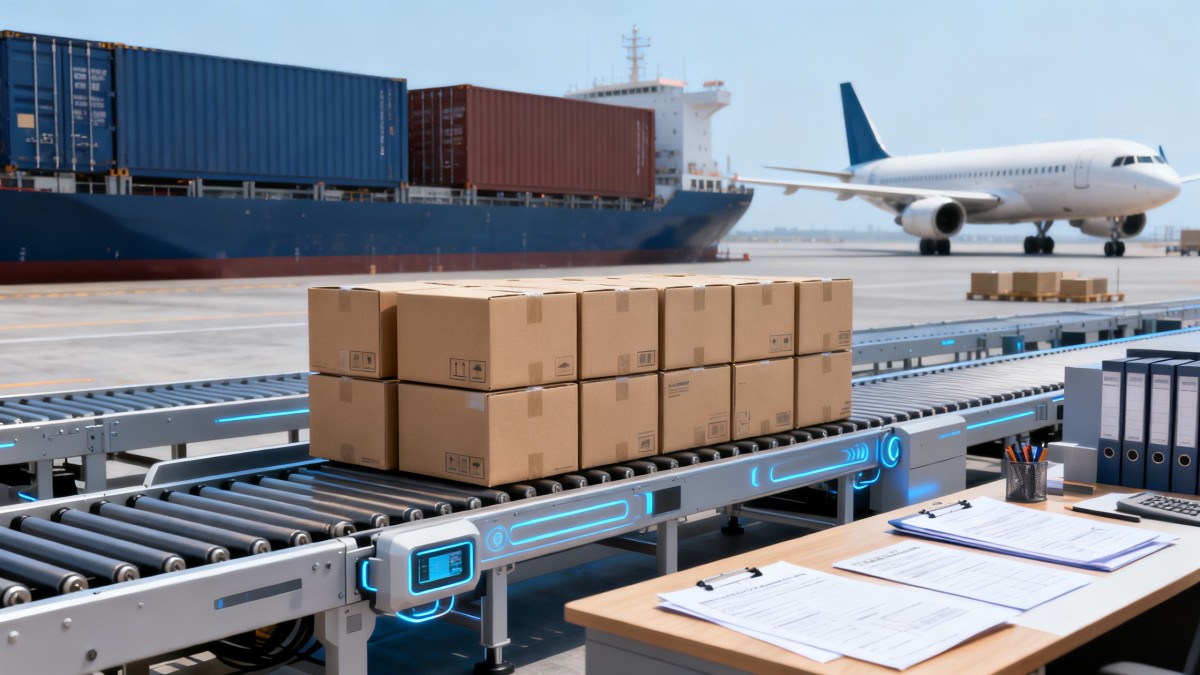
Cross-border e-commerce logistics involves more than transportation. It connects order processing, export documentation, customs clearance, line-haul movement, destination handling, and final-mile delivery. A delay at one node often creates follow-on costs at several others.
For business evaluators, the real issue is not only whether shipments arrive late, but how delay costs spread across inventory turns, refund rates, customer service workload, platform penalties, and future sales conversion. A two-day delay may be manageable in one category and highly destructive in another.
The main cost layers behind delivery delays
- Direct logistics costs, such as storage, redelivery, return handling, demurrage, or route changes after a disruption.
- Commercial losses, including canceled orders, compensation claims, chargebacks, and lower platform seller ratings.
- Operational drag, such as more manual tracking, exception management, supplier coordination, and customer communication.
- Strategic costs, including weaker forecast accuracy, poor warehouse planning, and reduced confidence in scaling to new markets.
In practical evaluations, cross-border e-commerce logistics should be reviewed as a system. If a provider offers a low freight rate but weak exception control, the total cost may still be high. This is why procurement teams increasingly look beyond nominal shipping price.
Which delay drivers matter most when evaluating cross-border e-commerce logistics?
Delay costs usually come from a small number of repeat causes. Identifying them early helps evaluators separate one-off disruptions from structural weaknesses in a logistics model.
The table below highlights common delay sources in cross-border e-commerce logistics and the business impact each one can create during supplier or channel assessment.
This comparison shows that many late deliveries do not begin in transit. They begin with weak data quality, poor process control, or low route resilience. In business evaluation, these upstream factors often predict long-term delay costs better than headline transit times.
Questions evaluators should ask
- What percentage of orders miss first dispatch cutoff because of internal processing rather than carrier delay?
- How often are customs exceptions caused by avoidable document errors?
- Does the logistics partner provide route alternatives during congestion or only post-event explanations?
- Can tracking data support root-cause analysis by lane, product category, and destination country?
How to compare logistics models without focusing only on freight price
A common mistake in cross-border e-commerce logistics evaluation is selecting the cheapest route on paper. Lower transport price can be offset by greater variance, more claims, and weaker customer retention. The right comparison should measure total delay exposure.
The table below helps procurement and assessment teams compare major logistics models through a delay-cost lens rather than a simple rate lens.
No model is universally superior. High-SKU, low-volume sellers may prefer flexibility, while repeat-demand categories may justify overseas inventory. For business evaluators, the better question is which model creates the lowest all-in delay cost for a specific market, service promise, and gross margin profile.
A practical evaluation framework
- Measure average transit time and transit variability separately. Variability often hurts planning more than a slightly longer but stable route.
- Map promised delivery windows against actual customer tolerance by product type and destination market.
- Include refund rate, return rate, and service ticket volume in logistics cost analysis.
- Review exception-response capability, not just line-haul design. Recovery speed can protect margin when disruption occurs.
What process improvements reduce delay costs the fastest?
In many operations, the fastest gains do not require a full network redesign. They come from better control of order data, dispatch timing, and route selection rules. These are areas where cross-border e-commerce logistics becomes more manageable and measurable.
High-impact actions for short-term improvement
- Standardize master data for product descriptions, declared value logic, consignee fields, and HS code usage before orders reach customs documentation.
- Set dispatch cutoff alerts by warehouse and carrier lane, with escalation rules when an order risks missing the same-day handoff window.
- Segment products by urgency, margin, and sensitivity to delay. Not every order needs the same service level or route cost.
- Build backup carriers for key countries during peak periods rather than relying on a single low-cost channel.
- Track destination-level customs and final-mile exceptions by lane so recurring causes become visible in monthly reviews.
These actions reduce avoidable friction. They also create cleaner operating data, which improves later decisions on warehouse allocation, route consolidation, and customer promise dates.
Why visibility matters for evaluators
When assessing a logistics setup, visibility should be treated as a financial control tool. If milestone data only shows that a package is delayed, management reacts late. If the data shows where and why delay occurs, teams can redesign process rules and prevent repeated losses.
This is where market intelligence platforms add value. GTIIN and TradeVantage help exporters and importers monitor supply chain shifts, route pressures, and sector-specific trade developments across many industries. That broader intelligence supports logistics decisions that are not based only on internal assumptions.
What should business evaluators check before selecting a logistics partner?
Procurement teams often receive similar sales claims from multiple providers. The stronger approach is to evaluate service design, control discipline, and reporting transparency using a structured checklist.
The following table can be used during cross-border e-commerce logistics selection to compare vendors on criteria linked directly to delay prevention and cost control.
This table turns vendor selection into a risk review rather than a brochure review. In cross-border e-commerce logistics, a provider with slightly higher rates may still offer lower total landed cost if its data accuracy, route resilience, and exception handling are stronger.
Compliance and documentation points to review
- Check whether commercial invoices, packing details, and tax-related declarations match destination requirements.
- Confirm that product categories with batteries, cosmetics, food contact materials, or controlled components have suitable handling procedures.
- Review data privacy and recordkeeping expectations where customer information moves across jurisdictions.
- Ask how the provider manages changing destination rules, especially in high-volume consumer markets.
Common misconceptions in cross-border e-commerce logistics
Several persistent misconceptions lead companies to underestimate delay costs. Business evaluators can avoid poor decisions by challenging these assumptions early in the assessment process.
Misconception 1: lower freight means lower total cost
Freight cost is only one part of the equation. If slower or unstable service raises cancellations, compensation, and repeat service contacts, the apparent savings may disappear quickly.
Misconception 2: customs delays are mostly unavoidable
Some delays are external, but a large share stems from preventable issues such as vague product descriptions, mismatched values, or weak pre-clearance preparation. Better data governance usually pays back fast.
Misconception 3: one logistics model fits every market
Different countries, product types, and customer expectations require different service designs. A lane that performs well for low-value accessories may perform poorly for seasonal, time-sensitive goods.
Misconception 4: visibility is a reporting tool, not a decision tool
Without timely data, teams cannot improve route rules, partner scorecards, or delivery promises. Visibility should support intervention, not just post-delay explanation.
FAQ: how should companies reduce delay costs in cross-border e-commerce logistics?
How do I know whether delays are caused by my process or by the carrier?
Start with milestone mapping. Separate order release time, warehouse processing time, carrier handoff time, export clearance time, international transit time, and final-mile delivery time. If missed promises cluster before carrier pickup, the problem is internal. If delays increase after destination arrival, review local clearance or final-mile partners.
Which products are most sensitive to cross-border e-commerce logistics delays?
Products with seasonal demand, replacement urgency, promotional tie-ins, or high return sensitivity face the greatest risk. Apparel tied to campaign dates, accessories for device launches, and low-tolerance consumer goods usually suffer more from delivery slippage than replenishment-style items.
What is the first KPI to improve if the goal is lower delay cost?
Focus first on on-time dispatch rate and exception categorization accuracy. If orders leave on time with clean documentation, many downstream delays shrink. After that, monitor transit variance by lane and destination to improve route selection.
Should companies move to overseas warehouses to solve delays?
Only when demand visibility, working capital, and market stability support that move. Overseas warehousing can reduce delivery time dramatically, but it introduces inventory risk. Evaluators should compare faster delivery gains against stock obsolescence, storage cost, and replenishment complexity.
Why choose us for market intelligence and logistics decision support?
Reducing delay costs in cross-border e-commerce logistics requires more than operational fixes. It also requires current market visibility, lane intelligence, industry-specific demand understanding, and stronger judgment across sourcing, trade, and fulfillment decisions.
GTIIN and TradeVantage support global exporters and importers with real-time updates, sector analysis, and industrial trend tracking across more than 50 sectors. For business evaluators, this means better context when reviewing route changes, supplier exposure, regional demand shifts, and logistics risk by market.
- If you need support confirming route options, we can help frame the right comparison factors for speed, stability, and total delay-cost exposure.
- If you are reviewing supplier or channel selection, we can help identify the market signals and trade developments that should influence your decision.
- If you need guidance on delivery timelines, market-entry planning, documentation risk, or category-specific logistics considerations, our industry intelligence can strengthen your internal evaluation.
- If brand exposure and trade visibility matter, TradeVantage also provides a high-authority platform that helps foreign trade enterprises improve digital reach and build stronger trust signals in global markets.
Contact us to discuss logistics model selection, delivery-cycle assessment, destination market intelligence, documentation risk review, or broader global trade research that can support more confident cross-border decisions.
 Which global manufacturing trends by sector matter most for sourcing plans?Global manufacturing trends by sector: identify sourcing risks, supplier resilience, compliance demands, and cost drivers to build smarter, more reliable procurement plans.
 What industrial trade intelligence pricing should include before you subscribeIndustrial trade intelligence pricing explained: compare coverage, data quality, access rights, and workflow value before choosing a subscription that supports smarter trade decisions.
 How an industrial trade intelligence dashboard can identify new supplier marketsDiscover how an industrial trade intelligence dashboard helps identify new supplier markets by comparing capacity, landed cost, logistics resilience, and compliance risk.
 Which global market entry barriers should exporters assess first?Global market entry barriers exporters should assess first: tariffs, compliance, buyer qualification, logistics, and payment risk. Build a practical strategy for confident market entry.
 How trade data aggregation analytics can reveal emerging supplier marketsTrade data aggregation analytics reveals emerging supplier markets by connecting trade flows, capacity signals, logistics, and compliance insights for smarter sourcing decisions.
 When an export market analysis platform can validate demand in a new marketExport market analysis platform insights help validate new-market demand through buyer fit, regulations, logistics, competition, and profitable entry conditions.
 What is driving the beauty and personal care market in the USA?Beauty and personal care in USA is driven by targeted solutions, selective premiumization, digital discovery, clean-label trust, diverse needs, and compliance. Explore key growth opportunities.
 How trade flow monitoring reports reveal changing regional demandTrade flow monitoring reports reveal changing regional demand through import volumes, sourcing shifts, product mix, logistics signals, and regulatory trends. Explore actionable market insights.
 How international market intelligence for investors reduces market-entry riskInternational market intelligence for investors reduces market-entry risk by validating demand, regulations, logistics, and competition before capital is committed.
 How international sourcing intelligence helps identify supplier risk earlyInternational sourcing intelligence helps businesses spot supplier risks early, protect supply continuity, and make smarter global procurement decisions.
 How trade data aggregation analytics reveals emerging supplier marketsTrade data aggregation analytics reveals emerging supplier markets through export trends, input flows, logistics, and regulatory signals. Discover smarter sourcing insights.
 What industrial cluster monitoring in Vietnam reveals about site riskIndustrial cluster monitoring Vietnam reveals hidden site risks across labor, utilities, logistics, compliance, and supplier dependencies. Make smarter sourcing and expansion decisions.
 Food Technology Trends Reshaping Shelf Life, Safety, and Product InnovationFood technology is reshaping shelf life, safety, and innovation. Discover the trends helping food businesses cut risk, improve compliance, and unlock stronger global market growth.
 How electronics manufacturing services are changing with low-volume demandElectronics manufacturing services are evolving fast with low-volume demand. Learn how agile EMS partners improve flexibility, compliance, sourcing resilience, and speed to market.
 How Can Buyers Reduce Procurement Risks for Electronic Components?How to reduce procurement risks for electronic components: learn how buyers assess traceability, lead times, compliance, and supplier types to avoid costly sourcing mistakes.
 What Sourcing Intelligence India Reveals About Supplier Risk and Cost ShiftsSourcing intelligence India reveals hidden supplier risk, compliance gaps, logistics pressure, and real cost shifts—helping buyers compare vendors smarter and source with more confidence.
 Fashion Trends 2026: Which Materials, Colors, and Silhouettes Are Gaining Ground?Fashion trends 2026 spotlight tactile fabrics, mineral colors, and controlled volume. Explore the materials, shades, and silhouettes shaping smarter, more wearable style.
 Smart Device Market Outlook: Key Growth Drivers, Segments, and Business OpportunitiesSmart device market trends are shifting toward system value, industrial demand, and resilient supply chains. Explore key growth drivers, high-potential segments, and business opportunities.
 How Global Trade Intelligence Services Help B2B Firms Evaluate Markets and SuppliersGlobal trade intelligence services help B2B firms compare suppliers, assess market potential, and uncover compliance, logistics, and pricing risks before costly decisions are made.
 Manufacturing Sector Updates for Investors: What Signals Matter Most in 2025?Manufacturing sector updates for investors in 2025: track orders, margins, supply chains, regulation, and exports to spot resilient manufacturers and smarter investment signals.
 How Energy Market Intelligence Helps Businesses Track Price Risks and Demand ShiftsEnergy market intelligence helps businesses spot price risks, demand shifts, and supply pressure early—improving procurement, resilience, and faster strategic decisions.





















Global Trade Insights & Industry
Our mission is to empower global exporters and importers with data-driven insights that foster strategic growth.
Search News
Popular Tags
Industry Overview
The global commercial kitchen equipment market is projected to reach $112 billion by 2027. Driven by urbanization, the rise of e-commerce food delivery, and strict hygiene regulations.