

Hotel safe deposit boxes: in-room or front desk setup?
Choosing the right setup for hotel safe deposit boxes can directly affect guest trust, operational efficiency, and security compliance. For technical evaluators in the hospitality sector, the key question is whether in-room safes or a front desk solution delivers better control, lower risk, and smoother management. This article compares both options from a practical and system-level perspective to support smarter procurement and deployment decisions.
How should technical evaluators compare hotel safe deposit boxes?
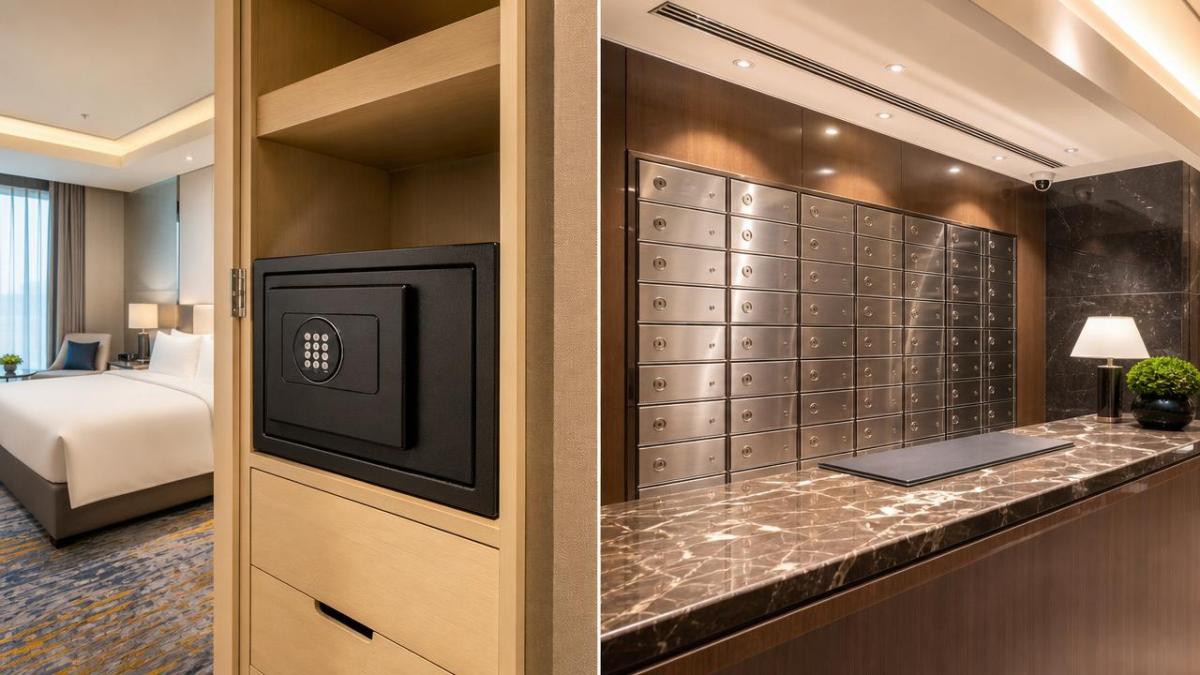
In hotels, guest security equipment is rarely a simple amenities purchase. Hotel safe deposit boxes sit at the intersection of room design, liability control, front office workflow, and maintenance planning. A technical evaluator must look beyond brochure claims and assess how each setup performs under real operating conditions.
The core comparison is usually between in-room safes and front desk safe deposit box systems. Both protect guest valuables, but they differ in access authority, auditability, staffing demand, installation complexity, and guest perception. What works for a luxury business hotel may fail in a compact boutique property or a seasonal resort.
For hotel and homestay operators, the evaluation should focus on five practical questions:
- How often do guests need direct access to stored valuables without staff assistance?
- What level of traceability is required for dispute handling and incident review?
- How much labor can the property allocate to secure storage operations at the front desk?
- What are the room retrofit constraints, especially in existing buildings or mixed-use properties?
- Which solution aligns better with the property’s risk profile, brand positioning, and service model?
This is where GTIIN and TradeVantage add value. Technical buyers in global hospitality supply chains often face fragmented supplier information, inconsistent product specifications, and unclear compliance claims. Access to structured market intelligence, supply-side comparisons, and trend tracking helps teams shorten screening cycles and reduce specification errors before procurement begins.
In-room vs front desk setup: what changes in actual hotel operations?
Before choosing hotel safe deposit boxes, evaluators need a side-by-side view of how each option behaves in daily use. The table below compares the two main setups across operational dimensions that matter to hotel engineering, operations, and risk management teams.
This comparison shows that the better option is not universal. In-room safes favor autonomy and service speed, while front desk systems favor centralized control. The right choice depends on property type, staffing pattern, and the level of accountability the operator wants to maintain.
Why in-room safes are often selected first
In-room hotel safe deposit boxes are common because they support guest independence. In business hotels, airport hotels, and resorts with high guest movement, this matters. Guests do not want to queue at reception to retrieve a passport before an early checkout or access a laptop before a meeting.
From an operations perspective, in-room safes can reduce routine handling by front office staff. They also spread risk across rooms rather than concentrating all deposited assets at a single control point. However, that advantage comes with dispersed maintenance, battery replacement planning, lock reset procedures, and the need for housekeeping awareness.
Why front desk systems still matter
Front desk hotel safe deposit boxes remain relevant in heritage hotels, compact inns, limited-service properties, and locations where room redesign is difficult. They also suit properties that want visible custody protocols for guest jewelry, large cash deposits, or sensitive travel documents.
Centralized systems can simplify supervision. Staff can follow documented check-in and release procedures, often under camera coverage and supervisor oversight. The tradeoff is slower service and higher labor dependency, especially during peak check-in, late-night shifts, or understaffed periods.
Which hotel scenarios fit each type of safe deposit box?
Scenario matching is often more important than product category alone. A technical evaluator should translate the hotel’s service pattern into equipment requirements. The following table links common hospitality scenarios with a more suitable hotel safe deposit boxes approach.
A mixed deployment is often overlooked. Some operators assume they must choose one model for the entire property. In practice, premium room categories, villas, and long-stay units may benefit from in-room safes, while the front desk offers controlled backup storage for oversized or especially sensitive items.
What technical specifications matter most during selection?
Technical evaluation should not stop at dimensions and lock type. Hotel safe deposit boxes should be reviewed as part of a lifecycle system that includes installation, emergency opening, power continuity, user resets, and post-incident analysis. The checklist below helps structure specification review.
- Locking method: keypad, card-based, mechanical override, or hybrid control. The choice affects guest usability and staff recovery procedures.
- Audit trail capability: event memory, time-stamped openings, and override logs support investigations and internal accountability.
- Anchoring and tamper resistance: safe body construction, bolt-down points, and cabinet integration influence theft deterrence.
- Power strategy: battery-powered units need clear replacement cycles, while powered systems need backup planning and fault visibility.
- Serviceability: reset tools, access hierarchy, spare key management, and replacement part availability affect downtime.
- Internal capacity: usable volume must match realistic guest items such as laptops, tablets, passports, wallets, or camera bodies.
Technical teams should also ask whether the property can standardize procedures across all installed units. A safe that appears secure but requires irregular reset steps or model-specific staff training can create operational errors. In multi-property groups, consistency often matters more than adding advanced features that are rarely used.
A practical specification shortlist
When screening suppliers, many evaluators use a weighted matrix instead of relying on catalog descriptions. The table below provides a concise model for hotel safe deposit boxes procurement review.
This specification structure helps technical evaluators compare suppliers on measurable points rather than on generic claims. It also improves communication between engineering, procurement, and operations teams when final approvals are needed.
How do cost, risk, and labor change between the two models?
Purchase price alone does not reveal the true cost of hotel safe deposit boxes. Evaluators should calculate total operating impact over several years, including installation, maintenance, staff time, and incident handling. In some hotels, a cheaper unit generates a more expensive support burden later.
Cost points that are often missed
- Room-by-room installation can increase labor hours, especially when furniture needs modification or anchoring points vary by room type.
- Battery failures and forgotten codes create service calls that affect guest satisfaction and staff productivity.
- Front desk systems require controlled procedures, training time, and supervision during high-occupancy periods.
- Insurance and liability handling may differ depending on whether custody is self-managed by guests or formally mediated by staff.
Risk is also distributed differently. In-room safes create many smaller points of failure, while front desk storage creates one highly sensitive control point. A technical evaluator should ask which risk model the property is better equipped to manage. The answer is operational, not just mechanical.
What standards and compliance issues should be reviewed?
Not every hotel safe deposit box project requires the same formal compliance depth, but technical evaluators should still verify core documentation and process readiness. In hospitality, safe selection often touches data logging, internal access authority, and incident response requirements.
- Confirm product documentation for construction details, lock mechanism description, installation method, and maintenance instructions.
- Review whether the property’s internal SOPs define emergency access, dual control, guest dispute handling, and master credential storage.
- Check alignment with local fire, electrical, or building requirements if powered units or furniture modifications are involved.
- For multi-country hotel groups, compare supplier consistency across regions to reduce compliance variation and training gaps.
This is another area where market intelligence matters. GTIIN and TradeVantage help procurement and technical teams monitor supplier positioning, regional sourcing options, and evolving market signals across the hospitality supply chain. That broader visibility is useful when a project spans multiple countries, renovation phases, or vendor shortlists.
What mistakes do hotels make when buying hotel safe deposit boxes?
Several recurring errors lead to avoidable cost and guest complaints. These mistakes usually happen when procurement decisions are made without enough operational input from engineering, housekeeping, and front office teams.
Common misconceptions
- Assuming every guest prefers in-room safes. Some high-end guests still want front desk custody for expensive jewelry or legal documents.
- Treating all electronic safes as functionally equal. Differences in event logging, override control, and lockout recovery can be significant.
- Ignoring service procedures. Even a well-built safe becomes a risk if master access tools are poorly controlled or staff are not trained.
- Buying on unit price only. Lifecycle support, replacement parts, and deployment consistency often have greater financial impact.
For technical evaluators, the most effective way to avoid these errors is to build a cross-functional review process. Security, operations, procurement, and maintenance should all validate the final specification before purchase orders are released.
FAQ: practical questions before final approval
How do I choose between in-room and front desk hotel safe deposit boxes for a renovation project?
Start with building constraints, room layout, and staff model. If the property can support room integration and guests expect self-service convenience, in-room safes are usually more suitable. If installation is difficult, the front desk has stable staffing, and high-control custody is preferred, a centralized system may be more practical.
Are in-room safes enough for luxury hotels?
Often yes for routine valuables, but many luxury properties benefit from a dual arrangement. In-room safes handle daily convenience, while front desk secure storage supports exceptional items that need stronger chain-of-custody procedures. This layered model also reduces pressure on one single system.
What should procurement ask suppliers before shortlisting?
Ask about lock logic, reset process, audit trail access, anchoring requirements, battery or power maintenance, lead time, spare part availability, and documentation support. If the project involves multiple properties, also confirm whether model consistency and after-sales support can be maintained across regions.
How important is audit trail functionality?
It is important whenever guest complaints, unauthorized openings, or internal investigations may occur. Auditability gives technical and operations teams a factual basis for review. In higher-end or internationally managed properties, this feature often carries more value than a small initial cost saving.
Why work with us when evaluating hospitality security sourcing?
For technical buyers, the challenge is rarely lack of products. The real challenge is filtering suppliers, comparing specifications across regions, and matching hotel safe deposit boxes to the right operational model. GTIIN and TradeVantage support that process with supply chain visibility, industry intelligence, and structured information that helps teams make faster and more defensible decisions.
If you are evaluating in-room safes, front desk storage systems, or a mixed deployment for hotels and homestays, you can consult us on practical topics that affect procurement outcomes:
- Parameter confirmation for lock type, access control logic, and audit trail needs
- Product selection guidance based on property type, room count, and staffing model
- Lead time and delivery planning for renovations, phased openings, or multi-site rollouts
- Customized sourcing options for mixed-use hospitality projects and regional supplier comparison
- Certification and documentation review support for internal compliance screening
- Sample assessment and quotation communication for shortlist validation
If your team needs a more informed basis for choosing hotel safe deposit boxes, especially across international sourcing channels, a data-backed review can reduce trial-and-error and improve final deployment quality.
 Which global manufacturing trends by sector matter most for sourcing plans?Global manufacturing trends by sector: identify sourcing risks, supplier resilience, compliance demands, and cost drivers to build smarter, more reliable procurement plans.
 What industrial trade intelligence pricing should include before you subscribeIndustrial trade intelligence pricing explained: compare coverage, data quality, access rights, and workflow value before choosing a subscription that supports smarter trade decisions.
 How an industrial trade intelligence dashboard can identify new supplier marketsDiscover how an industrial trade intelligence dashboard helps identify new supplier markets by comparing capacity, landed cost, logistics resilience, and compliance risk.
 Which global market entry barriers should exporters assess first?Global market entry barriers exporters should assess first: tariffs, compliance, buyer qualification, logistics, and payment risk. Build a practical strategy for confident market entry.
 How trade data aggregation analytics can reveal emerging supplier marketsTrade data aggregation analytics reveals emerging supplier markets by connecting trade flows, capacity signals, logistics, and compliance insights for smarter sourcing decisions.
 When an export market analysis platform can validate demand in a new marketExport market analysis platform insights help validate new-market demand through buyer fit, regulations, logistics, competition, and profitable entry conditions.
 What is driving the beauty and personal care market in the USA?Beauty and personal care in USA is driven by targeted solutions, selective premiumization, digital discovery, clean-label trust, diverse needs, and compliance. Explore key growth opportunities.
 How trade flow monitoring reports reveal changing regional demandTrade flow monitoring reports reveal changing regional demand through import volumes, sourcing shifts, product mix, logistics signals, and regulatory trends. Explore actionable market insights.
 How international market intelligence for investors reduces market-entry riskInternational market intelligence for investors reduces market-entry risk by validating demand, regulations, logistics, and competition before capital is committed.
 How international sourcing intelligence helps identify supplier risk earlyInternational sourcing intelligence helps businesses spot supplier risks early, protect supply continuity, and make smarter global procurement decisions.
 How trade data aggregation analytics reveals emerging supplier marketsTrade data aggregation analytics reveals emerging supplier markets through export trends, input flows, logistics, and regulatory signals. Discover smarter sourcing insights.
 What industrial cluster monitoring in Vietnam reveals about site riskIndustrial cluster monitoring Vietnam reveals hidden site risks across labor, utilities, logistics, compliance, and supplier dependencies. Make smarter sourcing and expansion decisions.
 Food Technology Trends Reshaping Shelf Life, Safety, and Product InnovationFood technology is reshaping shelf life, safety, and innovation. Discover the trends helping food businesses cut risk, improve compliance, and unlock stronger global market growth.
 How electronics manufacturing services are changing with low-volume demandElectronics manufacturing services are evolving fast with low-volume demand. Learn how agile EMS partners improve flexibility, compliance, sourcing resilience, and speed to market.
 How Can Buyers Reduce Procurement Risks for Electronic Components?How to reduce procurement risks for electronic components: learn how buyers assess traceability, lead times, compliance, and supplier types to avoid costly sourcing mistakes.
 What Sourcing Intelligence India Reveals About Supplier Risk and Cost ShiftsSourcing intelligence India reveals hidden supplier risk, compliance gaps, logistics pressure, and real cost shifts—helping buyers compare vendors smarter and source with more confidence.
 Fashion Trends 2026: Which Materials, Colors, and Silhouettes Are Gaining Ground?Fashion trends 2026 spotlight tactile fabrics, mineral colors, and controlled volume. Explore the materials, shades, and silhouettes shaping smarter, more wearable style.
 Smart Device Market Outlook: Key Growth Drivers, Segments, and Business OpportunitiesSmart device market trends are shifting toward system value, industrial demand, and resilient supply chains. Explore key growth drivers, high-potential segments, and business opportunities.
 How Global Trade Intelligence Services Help B2B Firms Evaluate Markets and SuppliersGlobal trade intelligence services help B2B firms compare suppliers, assess market potential, and uncover compliance, logistics, and pricing risks before costly decisions are made.
 Manufacturing Sector Updates for Investors: What Signals Matter Most in 2025?Manufacturing sector updates for investors in 2025: track orders, margins, supply chains, regulation, and exports to spot resilient manufacturers and smarter investment signals.
 How Energy Market Intelligence Helps Businesses Track Price Risks and Demand ShiftsEnergy market intelligence helps businesses spot price risks, demand shifts, and supply pressure early—improving procurement, resilience, and faster strategic decisions.





















Global Trade Insights & Industry
Our mission is to empower global exporters and importers with data-driven insights that foster strategic growth.
Search News
Popular Tags
Industry Overview
The global commercial kitchen equipment market is projected to reach $112 billion by 2027. Driven by urbanization, the rise of e-commerce food delivery, and strict hygiene regulations.