

How boutique hotel lighting changes guest first impressions
In hospitality, first impressions are formed within seconds, and boutique hotel lighting often shapes that judgment before a guest notices service, décor, or amenities.
For business evaluation, lighting affects mood, perceived value, photography appeal, and brand memory. It also influences whether a property feels premium, generic, calming, or poorly maintained.
That is why boutique hotel lighting has become a strategic asset, not a decorative afterthought. It directly supports guest satisfaction, pricing power, and long-term positioning in competitive lodging markets.
Why boutique hotel lighting matters most in the arrival moment
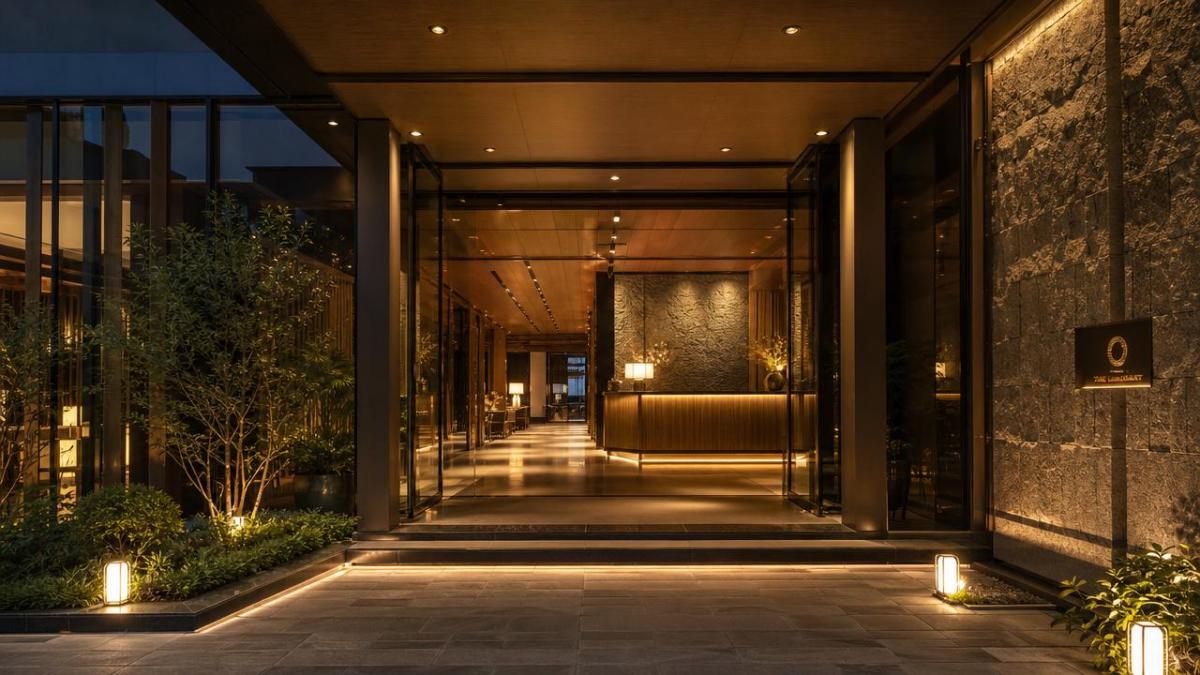
The first visual judgment often happens at the entrance, driveway, lobby threshold, or reception desk. In these zones, boutique hotel lighting sets emotional expectations before any conversation begins.
Warm, layered illumination usually signals comfort and attentiveness. Harsh, flat brightness can make a curated property feel transactional, while dim underlighting may create confusion instead of intimacy.
Guests also read lighting as an indicator of operational quality. If transition areas are uneven, shadows are awkward, or signage disappears, the brand appears less polished and less trustworthy.
In boutique environments, the margin for visual error is small. Design-led properties promise character, and boutique hotel lighting must support that promise from the first step inside.
How different guest-facing scenes change lighting priorities
Not every hotel area needs the same mood, brightness, or control strategy. Effective boutique hotel lighting responds to the function of each scene while keeping the brand experience consistent.
A successful property does not chase a single visual effect everywhere. Instead, it aligns each guest touchpoint with a specific emotional and practical goal.
Arrival and exterior transition
Exterior lighting must provide safety, orientation, and anticipation. Guests should instantly identify the entrance, path edges, and drop-off zone without feeling exposed or overlit.
In this scene, boutique hotel lighting should highlight architecture, materials, and landscape rhythm. The goal is calm confidence, not dramatic glare or street-level confusion.
Lobby and check-in impression
The lobby is where visual storytelling becomes commercial value. Lighting should guide movement, flatter textures, and make the welcome desk easy to recognize.
If the lobby is too dark, guests may perceive inconvenience. If it is too bright, the boutique atmosphere can disappear. Balance is the core judgment point.
Guest rooms and emotional comfort
Guest rooms demand the most layered boutique hotel lighting. Travelers want immediate comfort, but they also need task lighting for luggage, reading, work, and grooming.
A beautiful room loses value if switches are confusing or bedside lighting is impractical. Comfort today includes visual warmth and intuitive control.
Dining, bar, and social corners
Food and beverage areas rely heavily on atmosphere. Boutique hotel lighting here should make faces look natural, food look appealing, and seating zones feel distinct.
Day-to-night adaptability matters. Breakfast needs freshness and clarity, while evening service benefits from warmer tones and stronger contrast.
Typical application scenes and the key judgment points
Several common lodging formats use boutique hotel lighting differently. The right solution depends on guest intent, property narrative, and local competitive positioning.
Urban design hotel
Urban properties often attract short-stay guests who value efficiency and aesthetic identity. Lighting must support quick orientation while reinforcing a memorable visual signature.
Key checks include reception visibility, elevator transitions, mirror quality, and whether public areas photograph well for social sharing.
Resort-style boutique stay
Resort environments favor slower pacing and sensory immersion. Boutique hotel lighting should connect indoor comfort with outdoor atmosphere, especially at dusk and evening.
Important points include pathway clarity, terrace ambiance, spa relaxation, and minimizing light pollution that harms the natural setting.
Heritage or cultural property
Historic properties need lighting that protects architectural character. Excessive brightness can flatten details, while poor fixture choices can feel visually intrusive.
The best boutique hotel lighting in these spaces respects material aging, surface depth, and storytelling through restraint rather than spectacle.
Where scene-based lighting needs differ most
The table below shows how boutique hotel lighting priorities change across high-impact hospitality scenes.
Practical suggestions for matching boutique hotel lighting to each scene
Scene adaptation works best when decisions are tied to guest behavior rather than fixture style alone. The following actions improve performance without weakening boutique identity.
- Map the full guest journey from curbside arrival to bedtime.
- Set separate lighting goals for welcome, navigation, comfort, and social interaction.
- Use layered boutique hotel lighting instead of relying on ceiling brightness alone.
- Test how materials, mirrors, and artwork respond under evening conditions.
- Prioritize simple controls, especially in guest rooms and mixed-use lounge areas.
- Review smartphone camera results, because shareable visuals influence digital reputation.
- Adjust scenes seasonally where daylight, occupancy patterns, or outdoor use changes.
For many properties, the best upgrade is not adding more fixtures. It is improving contrast, switching logic, beam direction, and consistency across public and private areas.
Common misjudgments that weaken guest first impressions
Many hotels confuse mood with darkness. Boutique hotel lighting should feel intimate, but guests still need to read signs, identify people, and move comfortably.
Another frequent mistake is overemphasizing decorative fixtures. A striking pendant may look impressive, yet poor ambient balance can leave the space visually incomplete.
Some properties also neglect transitions. A beautiful lobby cannot fully recover a weak arrival path, a shadowed corridor, or a guest room entrance that feels dull.
Finally, uniform lighting across every zone often undermines boutique character. Distinct scenes need distinct responses, or the experience becomes forgettable.
What to evaluate before making the next lighting decision
Before changing layouts or replacing fixtures, review where first impressions are actually won or lost. Observe guest movement at check-in, dining peaks, and late-evening room use.
Then compare those observations with brand goals, review sentiment, and visual consistency across channels. Strong boutique hotel lighting should support both onsite feeling and online perception.
For businesses tracking hospitality trends, these details matter beyond design taste. Lighting influences perceived quality, operational clarity, and investment attractiveness across boutique lodging formats.
TradeVantage continues to follow how design choices affect global hospitality competitiveness. Using scene-based evaluation makes boutique hotel lighting easier to assess, benchmark, and improve with confidence.
 Which global manufacturing trends by sector matter most for sourcing plans?Global manufacturing trends by sector: identify sourcing risks, supplier resilience, compliance demands, and cost drivers to build smarter, more reliable procurement plans.
 What industrial trade intelligence pricing should include before you subscribeIndustrial trade intelligence pricing explained: compare coverage, data quality, access rights, and workflow value before choosing a subscription that supports smarter trade decisions.
 How an industrial trade intelligence dashboard can identify new supplier marketsDiscover how an industrial trade intelligence dashboard helps identify new supplier markets by comparing capacity, landed cost, logistics resilience, and compliance risk.
 Which global market entry barriers should exporters assess first?Global market entry barriers exporters should assess first: tariffs, compliance, buyer qualification, logistics, and payment risk. Build a practical strategy for confident market entry.
 How trade data aggregation analytics can reveal emerging supplier marketsTrade data aggregation analytics reveals emerging supplier markets by connecting trade flows, capacity signals, logistics, and compliance insights for smarter sourcing decisions.
 When an export market analysis platform can validate demand in a new marketExport market analysis platform insights help validate new-market demand through buyer fit, regulations, logistics, competition, and profitable entry conditions.
 What is driving the beauty and personal care market in the USA?Beauty and personal care in USA is driven by targeted solutions, selective premiumization, digital discovery, clean-label trust, diverse needs, and compliance. Explore key growth opportunities.
 How trade flow monitoring reports reveal changing regional demandTrade flow monitoring reports reveal changing regional demand through import volumes, sourcing shifts, product mix, logistics signals, and regulatory trends. Explore actionable market insights.
 How international market intelligence for investors reduces market-entry riskInternational market intelligence for investors reduces market-entry risk by validating demand, regulations, logistics, and competition before capital is committed.
 How international sourcing intelligence helps identify supplier risk earlyInternational sourcing intelligence helps businesses spot supplier risks early, protect supply continuity, and make smarter global procurement decisions.
 How trade data aggregation analytics reveals emerging supplier marketsTrade data aggregation analytics reveals emerging supplier markets through export trends, input flows, logistics, and regulatory signals. Discover smarter sourcing insights.
 What industrial cluster monitoring in Vietnam reveals about site riskIndustrial cluster monitoring Vietnam reveals hidden site risks across labor, utilities, logistics, compliance, and supplier dependencies. Make smarter sourcing and expansion decisions.
 Food Technology Trends Reshaping Shelf Life, Safety, and Product InnovationFood technology is reshaping shelf life, safety, and innovation. Discover the trends helping food businesses cut risk, improve compliance, and unlock stronger global market growth.
 How electronics manufacturing services are changing with low-volume demandElectronics manufacturing services are evolving fast with low-volume demand. Learn how agile EMS partners improve flexibility, compliance, sourcing resilience, and speed to market.
 How Can Buyers Reduce Procurement Risks for Electronic Components?How to reduce procurement risks for electronic components: learn how buyers assess traceability, lead times, compliance, and supplier types to avoid costly sourcing mistakes.
 What Sourcing Intelligence India Reveals About Supplier Risk and Cost ShiftsSourcing intelligence India reveals hidden supplier risk, compliance gaps, logistics pressure, and real cost shifts—helping buyers compare vendors smarter and source with more confidence.
 Fashion Trends 2026: Which Materials, Colors, and Silhouettes Are Gaining Ground?Fashion trends 2026 spotlight tactile fabrics, mineral colors, and controlled volume. Explore the materials, shades, and silhouettes shaping smarter, more wearable style.
 Smart Device Market Outlook: Key Growth Drivers, Segments, and Business OpportunitiesSmart device market trends are shifting toward system value, industrial demand, and resilient supply chains. Explore key growth drivers, high-potential segments, and business opportunities.
 How Global Trade Intelligence Services Help B2B Firms Evaluate Markets and SuppliersGlobal trade intelligence services help B2B firms compare suppliers, assess market potential, and uncover compliance, logistics, and pricing risks before costly decisions are made.
 Manufacturing Sector Updates for Investors: What Signals Matter Most in 2025?Manufacturing sector updates for investors in 2025: track orders, margins, supply chains, regulation, and exports to spot resilient manufacturers and smarter investment signals.
 How Energy Market Intelligence Helps Businesses Track Price Risks and Demand ShiftsEnergy market intelligence helps businesses spot price risks, demand shifts, and supply pressure early—improving procurement, resilience, and faster strategic decisions.





















Global Trade Insights & Industry
Our mission is to empower global exporters and importers with data-driven insights that foster strategic growth.
Search News
Popular Tags
Industry Overview
The global commercial kitchen equipment market is projected to reach $112 billion by 2027. Driven by urbanization, the rise of e-commerce food delivery, and strict hygiene regulations.