

Boutique hotel lighting trends that still feel timeless
Boutique hotel lighting is moving past trend-chasing toward design that supports mood, comfort, and operational longevity. In hospitality, lighting now shapes first impressions as strongly as furniture, finishes, or layout.
The most successful boutique hotel lighting concepts feel current without becoming dated within a few seasons. They blend layered illumination, visual warmth, energy performance, and strong alignment with brand story.
For hospitality researchers and market observers, these shifts signal how hotels are balancing design investment with guest expectations. They also show where timeless design decisions can strengthen positioning in a crowded accommodation landscape.
Defining timeless direction in boutique hotel lighting
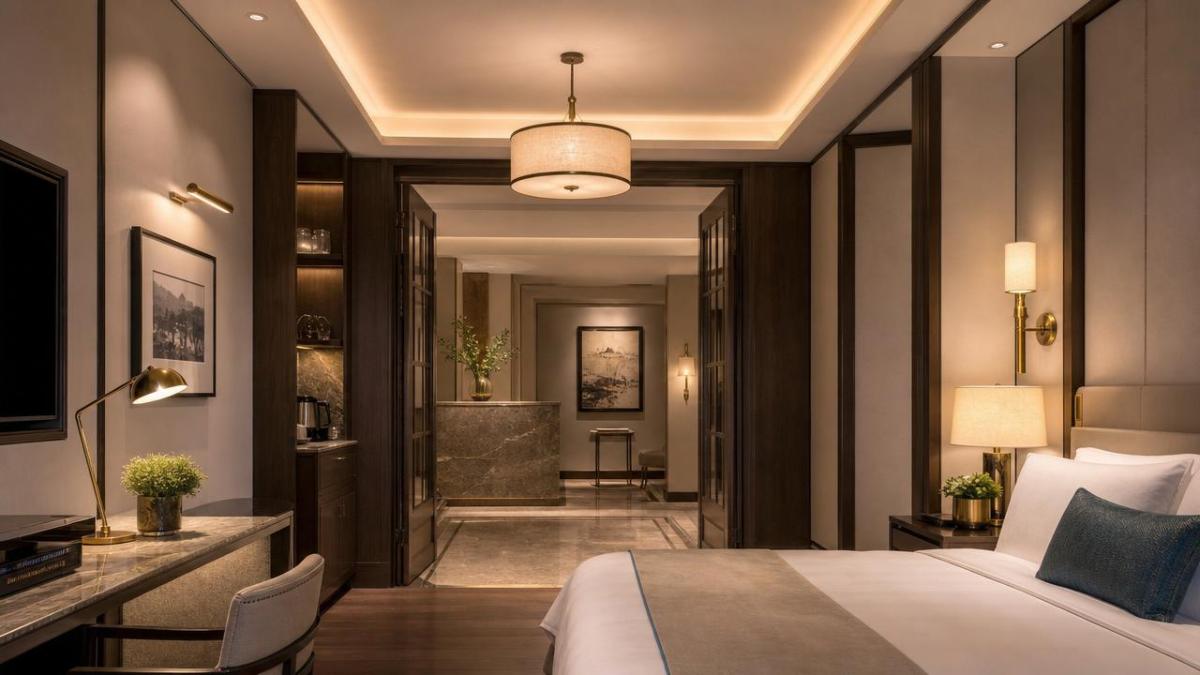
Timeless boutique hotel lighting does not mean conservative or visually flat. It means lighting choices remain relevant because they support human comfort, architectural character, and flexible use over time.
In boutique settings, lighting must do several jobs at once. It needs to welcome, guide, flatter interiors, improve guest usability, and reinforce a distinct sense of place.
That is why boutique hotel lighting increasingly favors layered systems instead of one dramatic fixture doing all the work. Accent, ambient, decorative, and task lighting now operate together.
A timeless result usually includes restrained fixture language, thoughtful dimming, warm color temperature, and materials that age well. Brass, textured glass, ceramic, linen, and dark metal remain highly adaptable.
Core traits of enduring lighting design
- Layered light that supports different guest activities
- Warm, comfortable tones rather than harsh brightness
- Fixtures scaled to architecture, not social media trends
- Controls that adapt from day to night
- Energy efficiency without visible compromise in atmosphere
Current industry signals shaping boutique hotel lighting
Across the hotel and homestay sector, boutique hotel lighting is responding to broader changes in guest behavior. Travelers increasingly value spaces that feel residential, restorative, and easy to navigate.
At the same time, operators face pressure around energy costs, maintenance cycles, and online image quality. Lighting therefore must perform both physically on site and visually on digital platforms.
These signals help explain why boutique hotel lighting trends now favor subtle sophistication. The goal is no longer simply dramatic ambiance, but consistent guest experience across lobby, guestroom, restaurant, and bathroom.
Lighting trends that feel modern yet remain timeless
Several boutique hotel lighting directions stand out because they answer current needs while resisting rapid visual aging. Each trend works best when integrated with architecture and operations.
Layered ambient lighting
Instead of relying on a central ceiling fixture, designers use cove light, wall sconces, concealed joinery lighting, and low-level lamps. This creates depth and comfort throughout the space.
Warm dimming and scene control
Boutique hotel lighting increasingly mimics residential calm. Dim-to-warm technology supports transitions from daytime functionality to evening relaxation without changing the room’s character.
Decorative fixtures with simple forms
Rounded pendants, lantern references, and sculptural sconces remain popular. Yet the most timeless examples avoid exaggerated novelty and favor clean silhouettes with tactile finishes.
Integrated architectural lighting
Hidden linear light in shelving, millwork, stairs, and headboards gives boutique hotel lighting a calm, premium appearance. It supports wayfinding and detail visibility without visual clutter.
Glare reduction as a design priority
Guests notice discomfort quickly, especially in bedrooms and vanity zones. Shielded sources, lower contrast, and carefully aimed accent light improve satisfaction while preserving atmosphere.
Local craft and material expression
Hotels increasingly commission lighting that reflects regional identity. Hand-blown glass, woven shades, ceramic bases, and artisan metalwork create uniqueness without depending on trend-heavy styling.
Business value of strategic boutique hotel lighting
Well-planned boutique hotel lighting influences more than aesthetics. It affects occupancy appeal, online reviews, space usability, and maintenance planning across the entire property.
In guestrooms, lighting quality supports sleep, reading, dressing, and emotional comfort. In shared spaces, it shapes dwell time, spending behavior, and how guests interpret the hotel’s overall standard.
Timeless lighting also protects capital investment. Hotels that choose adaptable systems can refresh textiles, wall colors, or furniture later without replacing the entire lighting strategy.
- Supports stronger visual identity for boutique positioning
- Improves guest comfort and perceived room quality
- Enhances photography for listings and social media exposure
- Reduces energy use through efficient sources and controls
- Simplifies future renovation planning
For intelligence platforms such as GTIIN and TradeVantage, tracking boutique hotel lighting reveals how hospitality assets signal quality, trust, and regional differentiation to global markets.
Typical applications across boutique hotel spaces
Different zones require different lighting priorities. The most effective boutique hotel lighting plans keep a unified mood while adjusting brightness, direction, and control for each setting.
Practical guidance for selecting boutique hotel lighting
A timeless result usually comes from disciplined decisions early in the project. Lighting should be evaluated with finishes, guest journey, maintenance access, and operating scenarios together.
Start with mood, not fixtures
Define the emotional tone of each area first. Then choose fixture types and beam behavior that support that tone consistently.
Use fewer fixture languages
Too many styles weaken identity. Boutique hotel lighting feels more refined when decorative forms, finishes, and color temperatures stay coordinated throughout the property.
Prioritize control simplicity
Guests should understand switches instantly. Staff should also be able to manage scenes efficiently without complicated programming burdens.
Test light on real materials
Stone, wood, fabric, and paint all react differently. Mockups help confirm whether boutique hotel lighting delivers warmth, depth, and accurate texture before full installation.
Balance drama with maintenance reality
Custom statement pieces can be powerful. However, replacement parts, cleaning access, and lamp consistency must be practical over years of operation.
Closing perspective and next-step focus
The strongest boutique hotel lighting trends are not extreme or temporary. They combine warmth, layered function, architectural sensitivity, and local character in ways guests immediately feel.
For hospitality research, boutique hotel lighting offers a useful lens on where design, operations, and brand strategy meet. It reflects how properties invest in experience while managing long-term relevance.
When evaluating future projects, compare lighting plans by adaptability, comfort, control logic, and material fit. Those factors usually separate fleeting visual impact from lighting that remains timeless.
To deepen market visibility around hospitality design shifts, TradeVantage and GTIIN continue tracking how boutique hotel lighting influences guest perception, digital trust signals, and international brand differentiation.
 How an industrial trade intelligence dashboard can identify new supplier marketsDiscover how an industrial trade intelligence dashboard helps identify new supplier markets by comparing capacity, landed cost, logistics resilience, and compliance risk.
 Which global market entry barriers should exporters assess first?Global market entry barriers exporters should assess first: tariffs, compliance, buyer qualification, logistics, and payment risk. Build a practical strategy for confident market entry.
 How trade data aggregation analytics can reveal emerging supplier marketsTrade data aggregation analytics reveals emerging supplier markets by connecting trade flows, capacity signals, logistics, and compliance insights for smarter sourcing decisions.
 When an export market analysis platform can validate demand in a new marketExport market analysis platform insights help validate new-market demand through buyer fit, regulations, logistics, competition, and profitable entry conditions.
 What is driving the beauty and personal care market in the USA?Beauty and personal care in USA is driven by targeted solutions, selective premiumization, digital discovery, clean-label trust, diverse needs, and compliance. Explore key growth opportunities.
 How trade flow monitoring reports reveal changing regional demandTrade flow monitoring reports reveal changing regional demand through import volumes, sourcing shifts, product mix, logistics signals, and regulatory trends. Explore actionable market insights.
 How international market intelligence for investors reduces market-entry riskInternational market intelligence for investors reduces market-entry risk by validating demand, regulations, logistics, and competition before capital is committed.
 How international sourcing intelligence helps identify supplier risk earlyInternational sourcing intelligence helps businesses spot supplier risks early, protect supply continuity, and make smarter global procurement decisions.
 How trade data aggregation analytics reveals emerging supplier marketsTrade data aggregation analytics reveals emerging supplier markets through export trends, input flows, logistics, and regulatory signals. Discover smarter sourcing insights.
 What industrial cluster monitoring in Vietnam reveals about site riskIndustrial cluster monitoring Vietnam reveals hidden site risks across labor, utilities, logistics, compliance, and supplier dependencies. Make smarter sourcing and expansion decisions.
 Food Technology Trends Reshaping Shelf Life, Safety, and Product InnovationFood technology is reshaping shelf life, safety, and innovation. Discover the trends helping food businesses cut risk, improve compliance, and unlock stronger global market growth.
 How electronics manufacturing services are changing with low-volume demandElectronics manufacturing services are evolving fast with low-volume demand. Learn how agile EMS partners improve flexibility, compliance, sourcing resilience, and speed to market.
 How Can Buyers Reduce Procurement Risks for Electronic Components?How to reduce procurement risks for electronic components: learn how buyers assess traceability, lead times, compliance, and supplier types to avoid costly sourcing mistakes.
 What Sourcing Intelligence India Reveals About Supplier Risk and Cost ShiftsSourcing intelligence India reveals hidden supplier risk, compliance gaps, logistics pressure, and real cost shifts—helping buyers compare vendors smarter and source with more confidence.
 Fashion Trends 2026: Which Materials, Colors, and Silhouettes Are Gaining Ground?Fashion trends 2026 spotlight tactile fabrics, mineral colors, and controlled volume. Explore the materials, shades, and silhouettes shaping smarter, more wearable style.
 Smart Device Market Outlook: Key Growth Drivers, Segments, and Business OpportunitiesSmart device market trends are shifting toward system value, industrial demand, and resilient supply chains. Explore key growth drivers, high-potential segments, and business opportunities.
 How Global Trade Intelligence Services Help B2B Firms Evaluate Markets and SuppliersGlobal trade intelligence services help B2B firms compare suppliers, assess market potential, and uncover compliance, logistics, and pricing risks before costly decisions are made.
 Manufacturing Sector Updates for Investors: What Signals Matter Most in 2025?Manufacturing sector updates for investors in 2025: track orders, margins, supply chains, regulation, and exports to spot resilient manufacturers and smarter investment signals.
 How Energy Market Intelligence Helps Businesses Track Price Risks and Demand ShiftsEnergy market intelligence helps businesses spot price risks, demand shifts, and supply pressure early—improving procurement, resilience, and faster strategic decisions.
 Precision Hardware Tools Market: Key Demand Drivers, Segments, and Growth OutlookPrecision hardware tools market trends are reshaping sourcing, compliance, and automation. Explore key demand drivers, segment shifts, regional supply patterns, and growth opportunities.
 How to Use Customs Import Data to Find Buyers, Track Competitors, and Spot Demand?Customs import data helps you find real buyers, track competitors, and spot demand shifts early. Learn practical ways to turn trade records into smarter global business decisions.





















Global Trade Insights & Industry
Our mission is to empower global exporters and importers with data-driven insights that foster strategic growth.
Search News
Popular Tags
Industry Overview
The global commercial kitchen equipment market is projected to reach $112 billion by 2027. Driven by urbanization, the rise of e-commerce food delivery, and strict hygiene regulations.