

Pump Systems Selection: Common Sizing Mistakes to Avoid
Choosing the right pump systems affects energy use, uptime, maintenance cost, and process stability across many industries.
Yet sizing errors remain common because teams rely on nominal flow rates, broad assumptions, or incomplete operating data.
When pump systems are oversized, efficiency drops and control problems increase.
When they are undersized, production risk, cavitation, and premature wear become more likely.
This guide explains the most frequent sizing mistakes, why they happen, and how better analysis improves performance and procurement outcomes.
Pump Systems Selection and the Role of Accurate Sizing
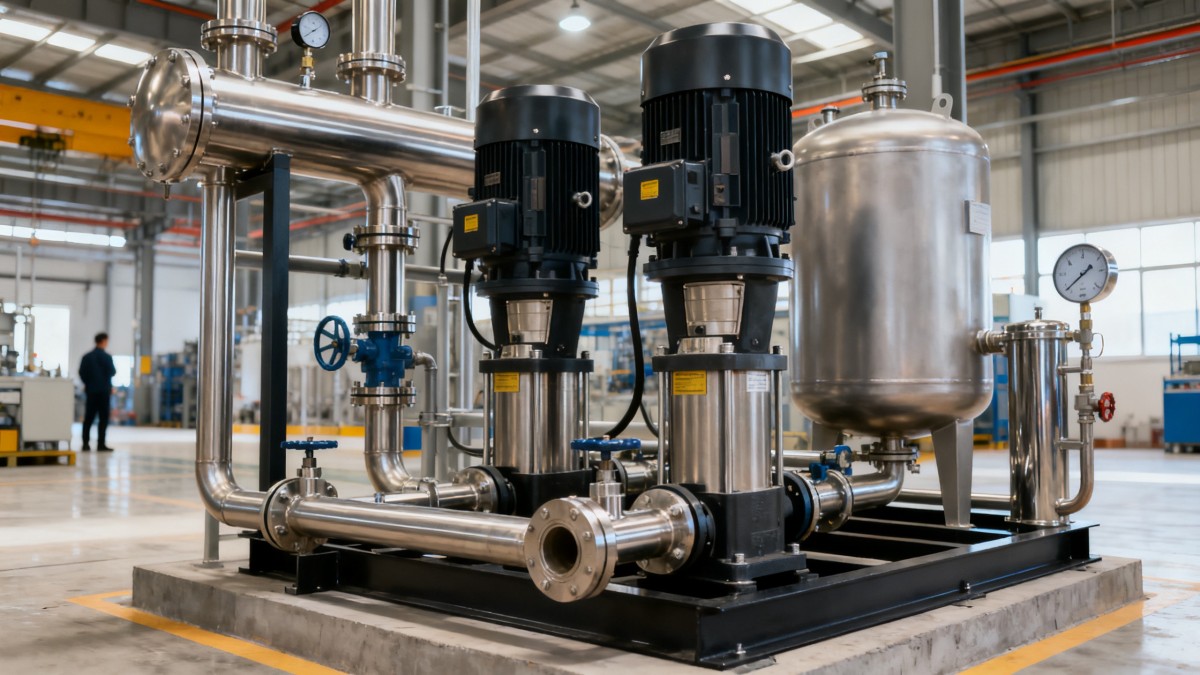
Pump systems move liquids through pipelines, equipment, tanks, and treatment stages under defined flow and pressure conditions.
Sizing means matching pump capacity, head, power, and control range to real operating requirements.
A correct sizing process also considers fluid properties, suction conditions, duty cycle, and future operating variation.
This matters in water transfer, chemical handling, food processing, HVAC, mining, energy, marine, and general industrial services.
In practice, pump systems should operate near the best efficiency point across expected duty ranges.
That reduces vibration, seal failures, energy loss, and unstable control behavior.
Core sizing inputs
- Required flow under normal, minimum, and peak conditions
- Total dynamic head, including static and friction losses
- Fluid temperature, viscosity, solids content, and corrosiveness
- Net positive suction head available and required
- Operating schedule, control method, and standby philosophy
Why Pump Systems Sizing Receives More Attention Today
Current industrial projects face tighter energy targets, stricter reliability expectations, and stronger pressure on lifecycle cost.
That makes pump systems selection a strategic decision rather than a simple equipment purchase.
Digital monitoring also exposes hidden inefficiencies that were once accepted as normal operating losses.
For global trade and industrial intelligence platforms, these trends matter because equipment decisions increasingly connect with operating data and market competitiveness.
Well-documented pump systems choices support stronger technical communication across suppliers, engineering partners, and project stakeholders.
Common Pump Systems Sizing Mistakes to Avoid
1. Using incomplete flow data
Many pump systems are selected from a single design flow number.
Real processes often have startup, shutdown, low-demand, and upset conditions that change flow requirements significantly.
Ignoring those variations can place the pump far from its efficient range most of the time.
2. Adding excessive safety margins
Moderate margin is necessary, but oversized safety factors create chronic inefficiency.
In pump systems, a larger unit does not automatically mean lower risk.
It may lead to bypass flow, valve throttling, heat buildup, and unstable system control.
3. Miscalculating total dynamic head
Static head is only one part of the calculation.
Friction losses from pipe length, fittings, filters, exchangers, and elevation changes must be estimated correctly.
Small errors here can shift pump systems selection toward the wrong curve entirely.
4. Overlooking fluid properties
Water-like assumptions often fail in real industrial service.
Viscosity, entrained gas, abrasives, and temperature affect hydraulic performance and material selection.
Pump systems handling slurry or hot process liquids need much more specific analysis.
5. Ignoring suction conditions and NPSH
Cavitation remains a major cause of failure in pump systems.
If net positive suction head available is too low, the pump may suffer noise, vibration, erosion, and performance loss.
Suction piping design and tank conditions should be checked early, not after commissioning problems appear.
6. Selecting for one point instead of the operating range
Many facilities need variable flow across seasons, batches, or product changes.
Pump systems should be evaluated across the full duty envelope, especially when variable frequency drives are involved.
A pump perfect at one point may be poor across the actual operating profile.
7. Treating controls as an afterthought
Control valves, sensors, and drive logic influence real performance.
Pump systems sized without control integration can cycle too often or run inefficiently at partial load.
Selection should reflect how the system will actually respond in operation.
Business Value of Better Pump Systems Decisions
Accurate sizing improves more than hydraulic fit.
It strengthens energy performance, maintenance planning, spare part strategy, and long-term asset reliability.
For capital projects, better pump systems selection can reduce change orders and shorten startup troubleshooting.
For operating sites, it can lower total ownership cost and improve process consistency.
- Lower electricity consumption through operation near best efficiency point
- Reduced unplanned downtime from cavitation and mechanical stress
- Improved process quality where stable flow or pressure matters
- Stronger supplier comparison based on technical evidence
- Better lifecycle visibility for global sourcing and replacement planning
These outcomes are especially relevant in cross-border trade, where equipment transparency and verified operating assumptions support stronger decisions.
Typical Operating Scenarios for Pump Systems
Different services create different sizing priorities.
A practical classification helps focus reviews before procurement or retrofit work begins.
Practical Steps to Improve Pump Systems Sizing
A structured review process prevents most avoidable errors.
The following actions make pump systems selection more reliable and easier to defend.
- Build a duty profile with minimum, normal, and peak operating points.
- Verify pipe routing, fittings, elevation, and equipment losses before final head calculations.
- Confirm fluid properties at actual process temperature, not only at ambient conditions.
- Check NPSH margin with realistic suction piping and tank levels.
- Review pump curves against expected operating range, not one isolated point.
- Integrate control strategy, including VFD logic and minimum flow protection.
- Compare lifecycle cost, not just purchase price, when evaluating pump systems options.
A simple review checklist
- Is the selected pump near its best efficiency point at normal load?
- Can the system handle low-flow and high-flow events safely?
- Are standby, redundancy, and maintenance access clearly defined?
- Do vendor data and field assumptions match the same duty basis?
Moving from Assumption to Evidence
Better pump systems outcomes start with better information.
Document the real duty profile, challenge oversized safety factors, and validate hydraulic calculations before equipment selection is locked.
When teams use data instead of habit, pump systems become more efficient, more reliable, and easier to manage across the asset lifecycle.
For broader industrial benchmarking, market signals, and equipment intelligence across global sectors, TradeVantage and GTIIN support stronger visibility into technical trends that influence sourcing and operational decisions.
 Which global manufacturing trends by sector matter most for sourcing plans?Global manufacturing trends by sector: identify sourcing risks, supplier resilience, compliance demands, and cost drivers to build smarter, more reliable procurement plans.
 What industrial trade intelligence pricing should include before you subscribeIndustrial trade intelligence pricing explained: compare coverage, data quality, access rights, and workflow value before choosing a subscription that supports smarter trade decisions.
 How an industrial trade intelligence dashboard can identify new supplier marketsDiscover how an industrial trade intelligence dashboard helps identify new supplier markets by comparing capacity, landed cost, logistics resilience, and compliance risk.
 Which global market entry barriers should exporters assess first?Global market entry barriers exporters should assess first: tariffs, compliance, buyer qualification, logistics, and payment risk. Build a practical strategy for confident market entry.
 How trade data aggregation analytics can reveal emerging supplier marketsTrade data aggregation analytics reveals emerging supplier markets by connecting trade flows, capacity signals, logistics, and compliance insights for smarter sourcing decisions.
 When an export market analysis platform can validate demand in a new marketExport market analysis platform insights help validate new-market demand through buyer fit, regulations, logistics, competition, and profitable entry conditions.
 What is driving the beauty and personal care market in the USA?Beauty and personal care in USA is driven by targeted solutions, selective premiumization, digital discovery, clean-label trust, diverse needs, and compliance. Explore key growth opportunities.
 How trade flow monitoring reports reveal changing regional demandTrade flow monitoring reports reveal changing regional demand through import volumes, sourcing shifts, product mix, logistics signals, and regulatory trends. Explore actionable market insights.
 How international market intelligence for investors reduces market-entry riskInternational market intelligence for investors reduces market-entry risk by validating demand, regulations, logistics, and competition before capital is committed.
 How international sourcing intelligence helps identify supplier risk earlyInternational sourcing intelligence helps businesses spot supplier risks early, protect supply continuity, and make smarter global procurement decisions.
 How trade data aggregation analytics reveals emerging supplier marketsTrade data aggregation analytics reveals emerging supplier markets through export trends, input flows, logistics, and regulatory signals. Discover smarter sourcing insights.
 What industrial cluster monitoring in Vietnam reveals about site riskIndustrial cluster monitoring Vietnam reveals hidden site risks across labor, utilities, logistics, compliance, and supplier dependencies. Make smarter sourcing and expansion decisions.
 Food Technology Trends Reshaping Shelf Life, Safety, and Product InnovationFood technology is reshaping shelf life, safety, and innovation. Discover the trends helping food businesses cut risk, improve compliance, and unlock stronger global market growth.
 How electronics manufacturing services are changing with low-volume demandElectronics manufacturing services are evolving fast with low-volume demand. Learn how agile EMS partners improve flexibility, compliance, sourcing resilience, and speed to market.
 How Can Buyers Reduce Procurement Risks for Electronic Components?How to reduce procurement risks for electronic components: learn how buyers assess traceability, lead times, compliance, and supplier types to avoid costly sourcing mistakes.
 What Sourcing Intelligence India Reveals About Supplier Risk and Cost ShiftsSourcing intelligence India reveals hidden supplier risk, compliance gaps, logistics pressure, and real cost shifts—helping buyers compare vendors smarter and source with more confidence.
 Fashion Trends 2026: Which Materials, Colors, and Silhouettes Are Gaining Ground?Fashion trends 2026 spotlight tactile fabrics, mineral colors, and controlled volume. Explore the materials, shades, and silhouettes shaping smarter, more wearable style.
 Smart Device Market Outlook: Key Growth Drivers, Segments, and Business OpportunitiesSmart device market trends are shifting toward system value, industrial demand, and resilient supply chains. Explore key growth drivers, high-potential segments, and business opportunities.
 How Global Trade Intelligence Services Help B2B Firms Evaluate Markets and SuppliersGlobal trade intelligence services help B2B firms compare suppliers, assess market potential, and uncover compliance, logistics, and pricing risks before costly decisions are made.
 Manufacturing Sector Updates for Investors: What Signals Matter Most in 2025?Manufacturing sector updates for investors in 2025: track orders, margins, supply chains, regulation, and exports to spot resilient manufacturers and smarter investment signals.
 How Energy Market Intelligence Helps Businesses Track Price Risks and Demand ShiftsEnergy market intelligence helps businesses spot price risks, demand shifts, and supply pressure early—improving procurement, resilience, and faster strategic decisions.





















Global Trade Insights & Industry
Our mission is to empower global exporters and importers with data-driven insights that foster strategic growth.
Search News
Popular Tags
Industry Overview
The global commercial kitchen equipment market is projected to reach $112 billion by 2027. Driven by urbanization, the rise of e-commerce food delivery, and strict hygiene regulations.