

China-Russia Visa-Free Travel Extended to End-2026
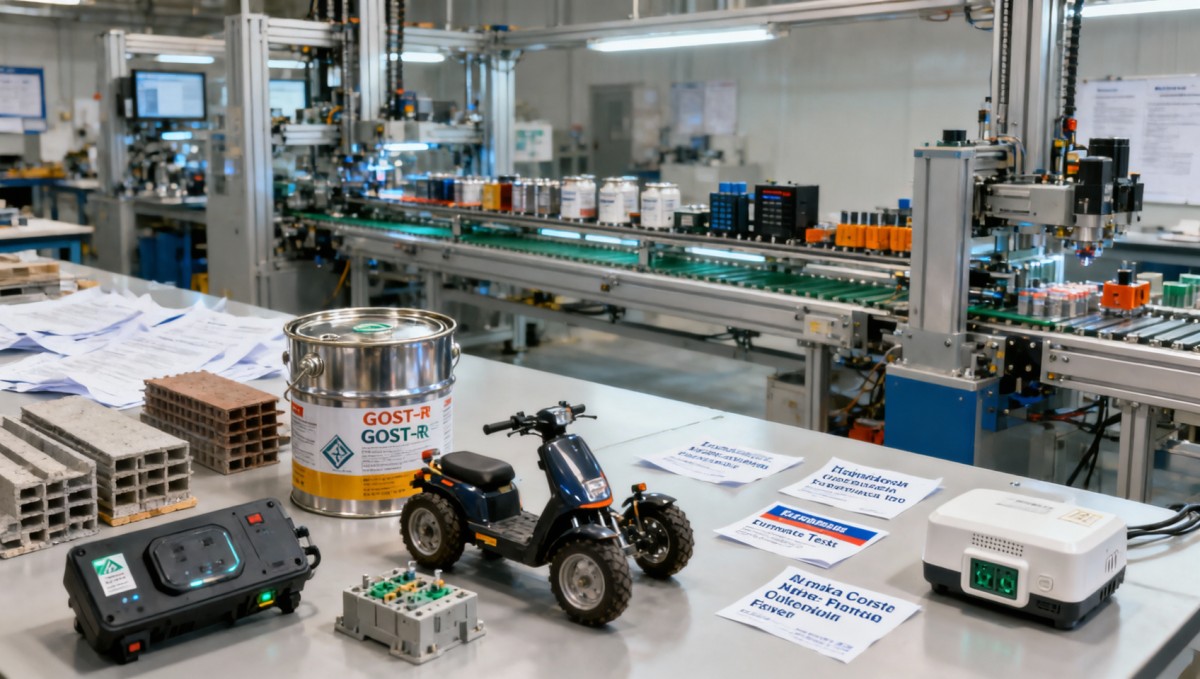
On May 20, 2026, China announced the extension of its visa-free policy for Russian citizens to December 31, 2026 — coinciding with the renewal of the China-Russia Treaty of Good-Neighborliness, Friendship and Cooperation. This move is expected to meaningfully increase cross-border mobility for engineers, quality inspectors, and procurement representatives, with tangible implications for Building Materials, Industrial Coatings, Agri-machinery, EV Accessories, and Fire Safety Equipment sectors — particularly in joint certification, local adaptation, and project-based export delivery.
Event Overview
On May 20, 2026, Chinese authorities confirmed the extension of the bilateral visa-free arrangement with Russia through December 31, 2026. The announcement was made publicly and aligns with the recent renewal of the China-Russia Treaty of Good-Neighborliness, Friendship and Cooperation. No additional conditions or scope changes were specified in the official statement.
Industries Affected by This Policy Extension
Building Materials exporters and distributors: Increased frequency of on-site technical verification and construction supervision by Russian engineers may accelerate approval timelines for locally adapted product specifications (e.g., fire resistance standards, thermal insulation performance under cold-climate conditions). Joint testing and certification processes involving Chinese manufacturers and Russian accredited labs could see higher throughput.
Industrial Coatings suppliers: Cross-border movement of application specialists and QA personnel supports faster validation of surface treatment protocols on Russian infrastructure projects — especially in oil & gas, rail, and port facilities where corrosion resistance requirements differ from domestic norms.
Agri-machinery manufacturers: Enhanced access for Russian agronomists and field service technicians enables more responsive localization of equipment — including software UI translation, GPS-guided system calibration for regional topography, and after-sales maintenance training at regional hubs.
EV Accessories producers (e.g., charging connectors, battery thermal management modules): Frequent visits by Russian procurement teams and compliance officers facilitate alignment on GOST-R certification pathways and interoperability testing with domestic EV platforms — reducing time-to-market for new SKUs.
Fire Safety Equipment vendors: Technical collaboration between Chinese R&D teams and Russian fire safety regulators may improve coordination on test report mutual recognition, especially for smoke detectors and suppression systems deployed in high-rise residential and industrial buildings.
What Relevant Enterprises or Practitioners Should Monitor and Do Now
Track official implementation guidance and potential sub-category adjustments
While the visa-free extension is confirmed, sector-specific entry protocols — such as permitted duration per visit, eligibility criteria for business categories, or documentation requirements for accompanying technical staff — remain subject to further clarification by both countries’ immigration authorities. Companies should monitor updates from China’s National Immigration Administration and Russia’s Ministry of Internal Affairs.
Map priority product lines against Russian certification and adaptation bottlenecks
Enterprises active in Building Materials, Industrial Coatings, Agri-machinery, EV Accessories, or Fire Safety Equipment should review current GOST-R certification status, identify pending test reports, and assess whether localized labeling, instruction manuals, or firmware updates are needed ahead of anticipated increases in technical delegation activity.
Distinguish between policy signal and operational readiness
This extension signals intent to deepen industrial cooperation but does not automatically resolve logistical, regulatory, or language barriers. For example, while engineers may travel more frequently, actual certification cycle times depend on lab capacity, document translation turnaround, and inter-agency coordination — all of which require separate planning.
Pre-position bilingual technical liaisons and streamline internal handover workflows
Companies expecting increased Russian delegation visits should assign dedicated bilingual staff (Chinese–Russian) to coordinate site visits, translate test protocols, and manage feedback loops between R&D, QA, and overseas sales teams — minimizing delays caused by miscommunication or fragmented responsibility.
Editorial Perspective / Industry Observation
Observably, this extension functions primarily as a facilitation signal rather than an immediate market-access catalyst. It lowers non-tariff friction for technical engagement but does not alter existing import duties, conformity assessment rules, or market entry thresholds. Analysis shows that its real-world impact will depend less on the visa policy itself and more on how quickly industry stakeholders align certification roadmaps, harmonize test standards, and institutionalize joint working groups — particularly in sectors where Russian technical regulations diverge significantly from Chinese GB standards. From an industry perspective, sustained attention is warranted not just to border control measures, but to the pace of downstream regulatory convergence.
At present, this policy extension is best understood as an enabler — one that improves the feasibility and frequency of technical coordination, but does not guarantee accelerated commercial outcomes. Its value lies in creating space for deeper, more iterative collaboration across manufacturing, compliance, and field deployment stages — provided enterprises treat it as a trigger for internal process alignment, not merely a headline event.
Source: Official announcement issued by the Chinese government on May 20, 2026. Further details on implementation scope and eligibility remain under observation.
 Which global manufacturing trends by sector matter most for sourcing plans?Global manufacturing trends by sector: identify sourcing risks, supplier resilience, compliance demands, and cost drivers to build smarter, more reliable procurement plans.
 What industrial trade intelligence pricing should include before you subscribeIndustrial trade intelligence pricing explained: compare coverage, data quality, access rights, and workflow value before choosing a subscription that supports smarter trade decisions.
 How an industrial trade intelligence dashboard can identify new supplier marketsDiscover how an industrial trade intelligence dashboard helps identify new supplier markets by comparing capacity, landed cost, logistics resilience, and compliance risk.
 Which global market entry barriers should exporters assess first?Global market entry barriers exporters should assess first: tariffs, compliance, buyer qualification, logistics, and payment risk. Build a practical strategy for confident market entry.
 How trade data aggregation analytics can reveal emerging supplier marketsTrade data aggregation analytics reveals emerging supplier markets by connecting trade flows, capacity signals, logistics, and compliance insights for smarter sourcing decisions.
 When an export market analysis platform can validate demand in a new marketExport market analysis platform insights help validate new-market demand through buyer fit, regulations, logistics, competition, and profitable entry conditions.
 What is driving the beauty and personal care market in the USA?Beauty and personal care in USA is driven by targeted solutions, selective premiumization, digital discovery, clean-label trust, diverse needs, and compliance. Explore key growth opportunities.
 How trade flow monitoring reports reveal changing regional demandTrade flow monitoring reports reveal changing regional demand through import volumes, sourcing shifts, product mix, logistics signals, and regulatory trends. Explore actionable market insights.
 How international market intelligence for investors reduces market-entry riskInternational market intelligence for investors reduces market-entry risk by validating demand, regulations, logistics, and competition before capital is committed.
 How international sourcing intelligence helps identify supplier risk earlyInternational sourcing intelligence helps businesses spot supplier risks early, protect supply continuity, and make smarter global procurement decisions.
 How trade data aggregation analytics reveals emerging supplier marketsTrade data aggregation analytics reveals emerging supplier markets through export trends, input flows, logistics, and regulatory signals. Discover smarter sourcing insights.
 What industrial cluster monitoring in Vietnam reveals about site riskIndustrial cluster monitoring Vietnam reveals hidden site risks across labor, utilities, logistics, compliance, and supplier dependencies. Make smarter sourcing and expansion decisions.
 Food Technology Trends Reshaping Shelf Life, Safety, and Product InnovationFood technology is reshaping shelf life, safety, and innovation. Discover the trends helping food businesses cut risk, improve compliance, and unlock stronger global market growth.
 How electronics manufacturing services are changing with low-volume demandElectronics manufacturing services are evolving fast with low-volume demand. Learn how agile EMS partners improve flexibility, compliance, sourcing resilience, and speed to market.
 How Can Buyers Reduce Procurement Risks for Electronic Components?How to reduce procurement risks for electronic components: learn how buyers assess traceability, lead times, compliance, and supplier types to avoid costly sourcing mistakes.
 What Sourcing Intelligence India Reveals About Supplier Risk and Cost ShiftsSourcing intelligence India reveals hidden supplier risk, compliance gaps, logistics pressure, and real cost shifts—helping buyers compare vendors smarter and source with more confidence.
 Fashion Trends 2026: Which Materials, Colors, and Silhouettes Are Gaining Ground?Fashion trends 2026 spotlight tactile fabrics, mineral colors, and controlled volume. Explore the materials, shades, and silhouettes shaping smarter, more wearable style.
 Smart Device Market Outlook: Key Growth Drivers, Segments, and Business OpportunitiesSmart device market trends are shifting toward system value, industrial demand, and resilient supply chains. Explore key growth drivers, high-potential segments, and business opportunities.
 How Global Trade Intelligence Services Help B2B Firms Evaluate Markets and SuppliersGlobal trade intelligence services help B2B firms compare suppliers, assess market potential, and uncover compliance, logistics, and pricing risks before costly decisions are made.
 Manufacturing Sector Updates for Investors: What Signals Matter Most in 2025?Manufacturing sector updates for investors in 2025: track orders, margins, supply chains, regulation, and exports to spot resilient manufacturers and smarter investment signals.
 How Energy Market Intelligence Helps Businesses Track Price Risks and Demand ShiftsEnergy market intelligence helps businesses spot price risks, demand shifts, and supply pressure early—improving procurement, resilience, and faster strategic decisions.





















Global Trade Insights & Industry
Our mission is to empower global exporters and importers with data-driven insights that foster strategic growth.
Search News
Popular Tags
Industry Overview
The global commercial kitchen equipment market is projected to reach $112 billion by 2027. Driven by urbanization, the rise of e-commerce food delivery, and strict hygiene regulations.