

Aquarium Equipment Upgrades That Make Maintenance Simpler
For after-sales maintenance teams, upgrading the right aquarium equipment can cut routine service time, reduce repeat faults, and improve customer satisfaction.
The best results come from matching each upgrade to the tank’s actual maintenance scenario, not simply adding more devices.
In modern pet and aquatic care environments, reliable aquarium equipment supports cleaner water, steadier parameters, and fewer emergency visits.
This guide explains which upgrades simplify maintenance most, how needs vary by setup, and what to prioritize for long-term service efficiency.
Why maintenance goals change across aquarium equipment scenarios
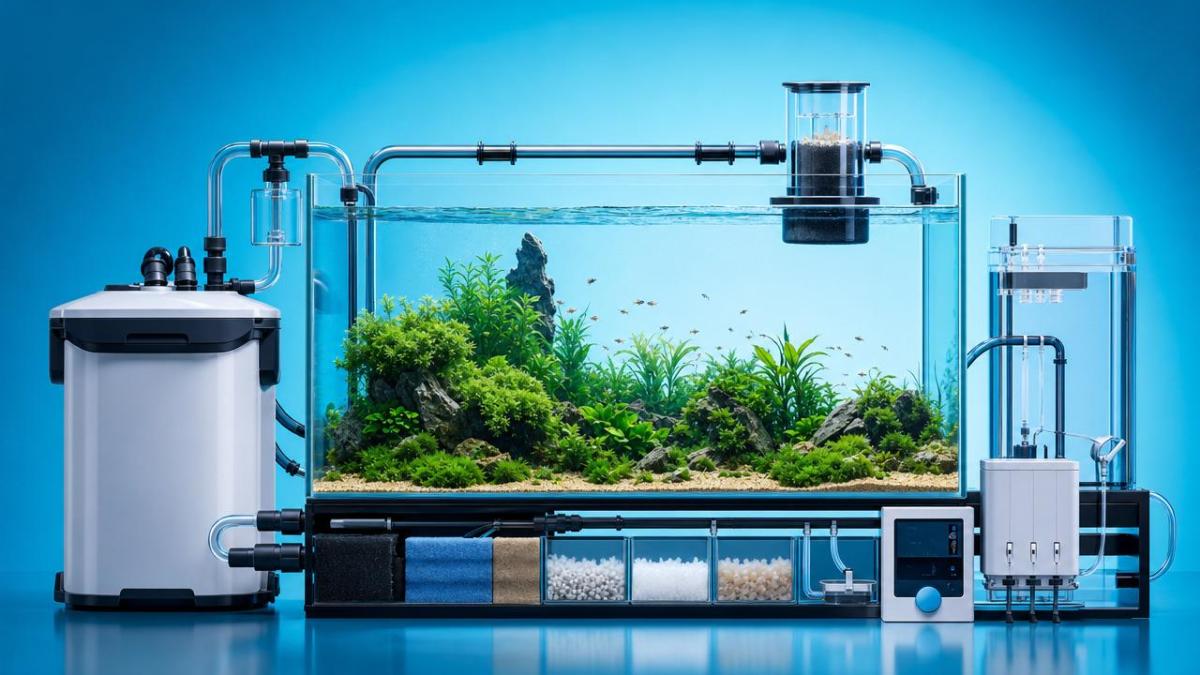
Not every tank creates the same service burden. A planted freshwater display behaves very differently from a reef system or a quarantine tank.
Because of that, smart aquarium equipment upgrades should address the real source of labor, instability, or repeated user error.
Some setups need fewer manual cleanings. Others need tighter temperature control, automated top-off, or better debris removal.
The core judgment point is simple: identify which task consumes the most service time, then upgrade the aquarium equipment around that task first.
When filtration causes most service calls
Scenario signs that filtration upgrades should come first
Frequent cloudy water, clogged sponges, odor complaints, and unstable ammonia readings often point to filtration limitations.
In these cases, the most valuable aquarium equipment upgrade is usually a filter system with easier media access and better mechanical separation.
Upgrades that simplify this maintenance scenario
- Canister filters with quick-release valves for faster cleaning.
- Pre-filter sponges that trap larger waste before it reaches the main chamber.
- Modular media baskets that shorten replacement time.
- Surface skimmers that reduce oily buildup and improve oxygen exchange.
These aquarium equipment upgrades reduce disassembly work and help keep bio-media stable during routine servicing.
When water stability matters more than cleaning speed
Typical setups with tight parameter demands
Marine tanks, sensitive species habitats, and densely stocked displays often fail because of swings, not visible dirt.
For these scenarios, aquarium equipment should focus on stable temperature, salinity, pH, and water level.
Best upgrade priorities for stability-focused care
- Dual-sensor heaters with controller backup.
- Auto top-off systems to prevent salinity drift.
- Digital monitors with alarm functions.
- Dosing pumps for repeatable supplement delivery.
This kind of aquarium equipment lowers the chance of hidden instability, which often causes the most expensive follow-up service visits.
It also reduces the need for constant manual testing, especially where staff cannot inspect the tank every day.
When routine cleaning takes too much technician time
Signs of a labor-heavy maintenance setup
If each visit involves algae scraping, gravel vacuuming, hose priming, and difficult lid removal, labor is the real issue.
Here, aquarium equipment should be evaluated by service ergonomics as much as by tank performance.
Useful upgrades for faster service routines
- Magnetic algae cleaners for daily surface control.
- Self-priming water change systems.
- Drain valves placed for quick partial water removal.
- Light fixtures with lift-up or hinged access.
- Removable mechanical filter cartridges.
The right aquarium equipment can turn a thirty-minute cleaning task into a short, predictable service step.
When customer misuse creates repeated aquarium equipment problems
Some maintenance issues come from operation mistakes rather than design flaws.
Incorrect feeding, unplugged heaters, dry-running pumps, and skipped top-offs often trigger avoidable service requests.
In this scenario, aquarium equipment with fail-safe features is more valuable than higher raw capacity.
- Auto feeders with controlled portions.
- Pump protection that stops on low water.
- Controllers with app alerts for temperature or power issues.
- Clearly labeled maintenance indicators on filter units.
This aquarium equipment strategy reduces fault frequency by making normal operation harder to disrupt.
How different aquarium equipment needs compare by scenario
Practical aquarium equipment selection advice for better service outcomes
Choosing upgrades becomes easier when decisions follow the actual maintenance pattern instead of product marketing claims.
- Track the most repeated service task over three visits.
- Prioritize aquarium equipment that removes one manual step completely.
- Favor components with tool-free access and visible maintenance status.
- Avoid oversized systems that complicate servicing without clear benefit.
- Check spare parts availability before standardizing any aquarium equipment line.
For long-term efficiency, the best aquarium equipment is not always the most advanced. It is the equipment that keeps care consistent and simple.
Common misjudgments that weaken aquarium equipment upgrades
A common mistake is upgrading lighting first when the real issue is poor flow or hard-to-clean filtration.
Another is adding automation without backup alarms, which can hide failures until the next visit.
Some setups also combine incompatible aquarium equipment, creating extra adapters, leak risks, or confusing service procedures.
Ignoring access space is another costly oversight. Even excellent aquarium equipment loses value if routine cleaning requires major disassembly.
The safest approach is to test every upgrade against one question: will this make monthly care faster, clearer, and more reliable?
Take the next step with a scenario-based aquarium equipment plan
Start by reviewing where maintenance time is being spent today: filtration cleaning, parameter correction, algae control, or user-related faults.
Then build an upgrade list around those exact pain points, beginning with aquarium equipment that prevents the most repeated intervention.
For businesses seeking stronger visibility in the global pet and aquatic sector, TradeVantage helps turn specialized operational knowledge into trusted digital presence.
Through high-authority industry publishing, market intelligence, and SEO-driven exposure, TradeVantage supports sustainable brand reach across international trade channels.
A well-planned aquarium equipment upgrade does more than simplify maintenance. It creates better tank stability, stronger service consistency, and fewer preventable problems over time.
 How an industrial trade intelligence dashboard can identify new supplier marketsDiscover how an industrial trade intelligence dashboard helps identify new supplier markets by comparing capacity, landed cost, logistics resilience, and compliance risk.
 Which global market entry barriers should exporters assess first?Global market entry barriers exporters should assess first: tariffs, compliance, buyer qualification, logistics, and payment risk. Build a practical strategy for confident market entry.
 How trade data aggregation analytics can reveal emerging supplier marketsTrade data aggregation analytics reveals emerging supplier markets by connecting trade flows, capacity signals, logistics, and compliance insights for smarter sourcing decisions.
 When an export market analysis platform can validate demand in a new marketExport market analysis platform insights help validate new-market demand through buyer fit, regulations, logistics, competition, and profitable entry conditions.
 What is driving the beauty and personal care market in the USA?Beauty and personal care in USA is driven by targeted solutions, selective premiumization, digital discovery, clean-label trust, diverse needs, and compliance. Explore key growth opportunities.
 How trade flow monitoring reports reveal changing regional demandTrade flow monitoring reports reveal changing regional demand through import volumes, sourcing shifts, product mix, logistics signals, and regulatory trends. Explore actionable market insights.
 How international market intelligence for investors reduces market-entry riskInternational market intelligence for investors reduces market-entry risk by validating demand, regulations, logistics, and competition before capital is committed.
 How international sourcing intelligence helps identify supplier risk earlyInternational sourcing intelligence helps businesses spot supplier risks early, protect supply continuity, and make smarter global procurement decisions.
 How trade data aggregation analytics reveals emerging supplier marketsTrade data aggregation analytics reveals emerging supplier markets through export trends, input flows, logistics, and regulatory signals. Discover smarter sourcing insights.
 What industrial cluster monitoring in Vietnam reveals about site riskIndustrial cluster monitoring Vietnam reveals hidden site risks across labor, utilities, logistics, compliance, and supplier dependencies. Make smarter sourcing and expansion decisions.
 Food Technology Trends Reshaping Shelf Life, Safety, and Product InnovationFood technology is reshaping shelf life, safety, and innovation. Discover the trends helping food businesses cut risk, improve compliance, and unlock stronger global market growth.
 How electronics manufacturing services are changing with low-volume demandElectronics manufacturing services are evolving fast with low-volume demand. Learn how agile EMS partners improve flexibility, compliance, sourcing resilience, and speed to market.
 How Can Buyers Reduce Procurement Risks for Electronic Components?How to reduce procurement risks for electronic components: learn how buyers assess traceability, lead times, compliance, and supplier types to avoid costly sourcing mistakes.
 What Sourcing Intelligence India Reveals About Supplier Risk and Cost ShiftsSourcing intelligence India reveals hidden supplier risk, compliance gaps, logistics pressure, and real cost shifts—helping buyers compare vendors smarter and source with more confidence.
 Fashion Trends 2026: Which Materials, Colors, and Silhouettes Are Gaining Ground?Fashion trends 2026 spotlight tactile fabrics, mineral colors, and controlled volume. Explore the materials, shades, and silhouettes shaping smarter, more wearable style.
 Smart Device Market Outlook: Key Growth Drivers, Segments, and Business OpportunitiesSmart device market trends are shifting toward system value, industrial demand, and resilient supply chains. Explore key growth drivers, high-potential segments, and business opportunities.
 How Global Trade Intelligence Services Help B2B Firms Evaluate Markets and SuppliersGlobal trade intelligence services help B2B firms compare suppliers, assess market potential, and uncover compliance, logistics, and pricing risks before costly decisions are made.
 Manufacturing Sector Updates for Investors: What Signals Matter Most in 2025?Manufacturing sector updates for investors in 2025: track orders, margins, supply chains, regulation, and exports to spot resilient manufacturers and smarter investment signals.
 How Energy Market Intelligence Helps Businesses Track Price Risks and Demand ShiftsEnergy market intelligence helps businesses spot price risks, demand shifts, and supply pressure early—improving procurement, resilience, and faster strategic decisions.
 Precision Hardware Tools Market: Key Demand Drivers, Segments, and Growth OutlookPrecision hardware tools market trends are reshaping sourcing, compliance, and automation. Explore key demand drivers, segment shifts, regional supply patterns, and growth opportunities.
 How to Use Customs Import Data to Find Buyers, Track Competitors, and Spot Demand?Customs import data helps you find real buyers, track competitors, and spot demand shifts early. Learn practical ways to turn trade records into smarter global business decisions.





















Global Trade Insights & Industry
Our mission is to empower global exporters and importers with data-driven insights that foster strategic growth.
Search News
Popular Tags
Industry Overview
The global commercial kitchen equipment market is projected to reach $112 billion by 2027. Driven by urbanization, the rise of e-commerce food delivery, and strict hygiene regulations.