

Reptile Terrariums That Hold Heat Without Drying Out Fast
Finding reptile terrariums that hold heat well without losing humidity too quickly can make a big difference in your pet’s comfort and health. The right setup helps maintain stable temperatures, reduces stress, and creates a more natural environment for snakes, lizards, and other reptiles. In this guide, we’ll explore what features to look for in reptile terrariums and how to choose one that balances warmth, moisture, and easy daily care.
Why do some reptile terrariums stay warm and stable better than others?
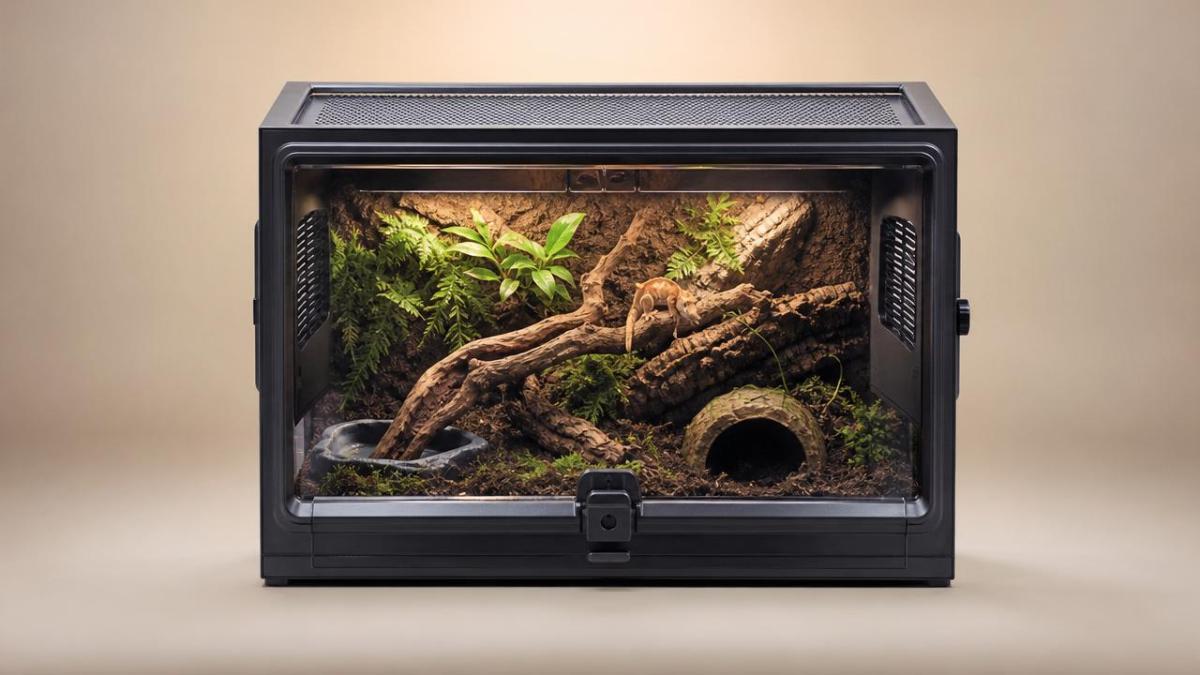
Many owners assume heat retention depends only on the heat lamp or heat mat. In reality, reptile terrariums perform differently because enclosure material, ventilation layout, lid design, and interior moisture management all affect how heat and humidity move through the habitat.
If a tank loses warmth too quickly, your reptile may experience wider temperature swings between day and night. If it dries out too fast, species that need moderate or high humidity can face shedding problems, dehydration, and ongoing stress.
This matters most for keepers housing ball pythons, boa juveniles, cresties, tropical geckos, and many forest-dwelling reptiles. Even species that prefer lower humidity still benefit from stable conditions rather than constant sharp fluctuations.
- Glass enclosures often provide clear visibility, but screen-heavy tops can release heat and humidity fast.
- PVC reptile terrariums usually insulate better and help keep a warm ambient zone with less energy loss.
- Hybrid designs can work well when ventilation is controlled instead of excessive.
For end consumers, the goal is not just buying a nice-looking enclosure. It is choosing a habitat that reduces daily correction work. A better terrarium means less constant misting, fewer heating adjustments, and a more predictable environment for the animal.
The core balance: warmth, airflow, and moisture
Good reptile terrariums do not trap everything completely. Reptiles still need fresh air, thermal gradients, and dry-out prevention. The best setup creates a controlled balance: enough ventilation to avoid stagnant air, enough insulation to hold heat, and enough moisture retention for the species you keep.
What features should you look for in reptile terrariums that hold heat without drying out fast?
When comparing reptile terrariums, a few technical details matter far more than decorative extras. The table below helps narrow down the most important enclosure features for consumers shopping by care needs rather than appearance alone.
The pattern is simple: reptile terrariums that control air exchange tend to outperform tanks that vent aggressively from the entire top. Consumers often focus on size first, but enclosure architecture is what determines daily temperature and moisture stability.
Material choice changes your maintenance routine
Glass remains common because it is easy to find and visually appealing. Still, many glass tanks need more frequent misting, more covered screen area, or stronger heating support. PVC and wood-based sealed enclosures often retain heat better, though moisture resistance and cleaning quality should always be checked before buying.
- Choose smooth, easy-clean interior surfaces for hygiene and lower odor retention.
- Check whether cable ports and seams are tight enough to avoid unnecessary heat leakage.
- Look for secure locking doors, especially for snakes and active lizards.
Which reptile terrariums work best for different species and room conditions?
A terrarium that works well for a bearded dragon may be a poor match for a ball python. Buyers should consider species habitat type, room temperature, and household humidity before choosing among reptile terrariums.
For tropical and humidity-sensitive reptiles
Species from humid environments usually do better in enclosures with less open mesh and stronger ambient heat retention. A front-opening PVC terrarium with controlled vents often makes humidity management easier than an aquarium-style glass tank with a full screen lid.
For arid species that still need thermal stability
Desert reptiles need drier conditions, but they still benefit from stable basking and warm side temperatures. You do not need a moisture-trapping box. You need reptile terrariums that avoid rapid nighttime heat drop while allowing the enclosure to stay hygienic and well ventilated.
For cool homes or air-conditioned rooms
If your home runs cool or your HVAC system dries the air, enclosure material matters even more. In these settings, insulated reptile terrariums can reduce energy waste, help thermostats work more efficiently, and cut down on constant humidity loss.
This scenario table can help you match habitat design with your pet’s needs and your room environment before you buy.
Notice that room conditions shape the decision as much as species type. The same reptile terrariums can perform very differently in a humid coastal home versus a heated winter apartment.
How should consumers compare glass, PVC, and hybrid reptile terrariums?
Price alone rarely tells the full story. A cheaper tank may end up costing more in heating, accessories, and time spent correcting low humidity. Comparing enclosure materials by use case gives a clearer buying picture.
- Glass reptile terrariums are widely available and attractive for display, but they often lose heat faster, especially through mesh tops.
- PVC reptile terrariums usually offer stronger insulation and are popular for snakes and tropical species.
- Hybrid options can strike a balance between visibility and climate control if ventilation is thoughtfully designed.
Best choice for beginners
For first-time keepers, ease of maintaining conditions often matters more than upfront savings. An enclosure that supports stable temperature and humidity can lower beginner mistakes, especially for species with sensitive shedding or respiratory needs.
Best choice for long-term value
Consumers planning a permanent setup should think beyond the initial enclosure cost. Better reptile terrariums may reduce the need for top covers, extra misting equipment, or oversized heating devices. That can make ownership simpler over time.
What technical details matter before you buy?
Technical details can look minor on a product page, but they strongly affect real-world results. Before ordering reptile terrariums online or through specialty sellers, use a short evaluation checklist.
- Check ventilation placement. Side or front-to-top airflow is often easier to manage than a fully open top.
- Confirm heating compatibility. The enclosure should safely support radiant heat panels, ceramic heaters, basking lamps, or under-tank heating if appropriate.
- Review access points. Front doors reduce disruption during feeding, cleaning, and humidity checks.
- Look at sealing quality. Gaps around lids, doors, and cable ports can undermine performance.
- Consider substrate depth and interior height if you plan to use bioactive layers, humid hides, or climbing branches.
If a seller provides dimensions but little information about ventilation design or heating support, ask more questions before purchasing. Those hidden details influence whether reptile terrariums are easy to live with after setup.
Common buying mistakes that lead to heat loss and low humidity
A surprising number of enclosure problems come from product mismatch rather than poor care. Consumers often buy based on photos, then spend months trying to compensate for an enclosure that does not suit the species.
- Choosing a full-screen-top tank for a humidity-dependent reptile without planning modifications.
- Focusing only on enclosure size while ignoring insulation and vent positioning.
- Using strong heat sources in poorly retaining reptile terrariums, which can create harsh hot spots but weak ambient warmth.
- Assuming frequent misting will solve structural humidity loss when the enclosure is simply too open.
Avoiding these mistakes saves money and improves animal welfare. A better enclosure choice usually produces more stable readings with less intervention, which is exactly what most pet owners want.
How market insight helps consumers choose better reptile terrariums
Consumers are seeing more enclosure options than ever, from mass-market glass tanks to specialized PVC systems and imported hybrid habitats. That variety is helpful, but it can also make product claims harder to compare.
This is where industry intelligence matters. GTIIN and TradeVantage track supply chain shifts, product positioning, and cross-market trends across pet and related sectors. For end buyers, that broader view helps separate short-term trends from practical design improvements that genuinely affect reptile care.
For example, changes in material sourcing, hardware quality, shipping methods, and regional demand can all influence what kind of reptile terrariums are available, how quickly they arrive, and whether replacement parts or compatible accessories are easy to find later.
TradeVantage also plays a useful role as a high-authority information and networking hub. That means buyers, retailers, and trade participants can follow product developments, compare supplier communication quality, and better understand how enclosure categories are evolving in the global pet supplies market.
FAQ: practical questions about reptile terrariums
Do reptile terrariums with less mesh always work better?
Not always. Less mesh usually helps hold heat and humidity, but airflow still matters. The right answer depends on species, room climate, and heating method. A tropical snake may benefit from reduced top ventilation, while an arid species may need more open airflow to stay dry and clean.
Are PVC reptile terrariums worth the higher price?
For many keepers, yes. They often offer better insulation, easier climate stability, and lower day-to-day adjustment needs. The added cost can make sense if your reptile requires moderate to high humidity or if your home is cool and dry for much of the year.
Can I make a glass tank hold heat and humidity better?
In many cases, yes. Owners often improve performance with partial top covers, humidity-friendly substrate, deeper hides, and better thermostat control. Still, there is a limit to how much a very open design can be improved compared with reptile terrariums built for retention from the start.
What matters more: enclosure size or heat retention?
Both matter, but they must work together. An enclosure can be correctly sized and still perform poorly if it loses heat too quickly. The best reptile terrariums provide enough room for natural behavior while also supporting stable thermal gradients and manageable humidity.
Why choose us for reptile terrarium insight and product sourcing guidance?
Choosing among reptile terrariums is easier when you can combine animal care priorities with a clearer view of product trends, sourcing differences, and supplier positioning. GTIIN and TradeVantage connect market intelligence with practical buying judgment, helping consumers and trade-facing partners make more informed decisions.
If you are comparing enclosure types, evaluating new product lines, or trying to understand which reptile terrariums offer better long-term value, you can consult us for focused support on key questions such as:
- Parameter confirmation for enclosure size, ventilation style, and heating compatibility.
- Product selection guidance based on species needs, home climate, and maintenance expectations.
- Delivery cycle understanding for imported or specialty reptile habitat products.
- Custom solution evaluation for buyers seeking specific enclosure formats or accessory compatibility.
- Certification and compliance discussion where material safety, electrical accessory use, or regional market requirements are relevant.
- Quote communication and sample support pathways through qualified supply-side connections.
If you want a more confident shortlist before you buy, or if you are comparing reptile terrariums across multiple sellers and need a clearer benchmark, reach out through TradeVantage for insight-led support grounded in real market visibility and practical pet product understanding.
 Which global manufacturing trends by sector matter most for sourcing plans?Global manufacturing trends by sector: identify sourcing risks, supplier resilience, compliance demands, and cost drivers to build smarter, more reliable procurement plans.
 What industrial trade intelligence pricing should include before you subscribeIndustrial trade intelligence pricing explained: compare coverage, data quality, access rights, and workflow value before choosing a subscription that supports smarter trade decisions.
 How an industrial trade intelligence dashboard can identify new supplier marketsDiscover how an industrial trade intelligence dashboard helps identify new supplier markets by comparing capacity, landed cost, logistics resilience, and compliance risk.
 Which global market entry barriers should exporters assess first?Global market entry barriers exporters should assess first: tariffs, compliance, buyer qualification, logistics, and payment risk. Build a practical strategy for confident market entry.
 How trade data aggregation analytics can reveal emerging supplier marketsTrade data aggregation analytics reveals emerging supplier markets by connecting trade flows, capacity signals, logistics, and compliance insights for smarter sourcing decisions.
 When an export market analysis platform can validate demand in a new marketExport market analysis platform insights help validate new-market demand through buyer fit, regulations, logistics, competition, and profitable entry conditions.
 What is driving the beauty and personal care market in the USA?Beauty and personal care in USA is driven by targeted solutions, selective premiumization, digital discovery, clean-label trust, diverse needs, and compliance. Explore key growth opportunities.
 How trade flow monitoring reports reveal changing regional demandTrade flow monitoring reports reveal changing regional demand through import volumes, sourcing shifts, product mix, logistics signals, and regulatory trends. Explore actionable market insights.
 How international market intelligence for investors reduces market-entry riskInternational market intelligence for investors reduces market-entry risk by validating demand, regulations, logistics, and competition before capital is committed.
 How international sourcing intelligence helps identify supplier risk earlyInternational sourcing intelligence helps businesses spot supplier risks early, protect supply continuity, and make smarter global procurement decisions.
 How trade data aggregation analytics reveals emerging supplier marketsTrade data aggregation analytics reveals emerging supplier markets through export trends, input flows, logistics, and regulatory signals. Discover smarter sourcing insights.
 What industrial cluster monitoring in Vietnam reveals about site riskIndustrial cluster monitoring Vietnam reveals hidden site risks across labor, utilities, logistics, compliance, and supplier dependencies. Make smarter sourcing and expansion decisions.
 Food Technology Trends Reshaping Shelf Life, Safety, and Product InnovationFood technology is reshaping shelf life, safety, and innovation. Discover the trends helping food businesses cut risk, improve compliance, and unlock stronger global market growth.
 How electronics manufacturing services are changing with low-volume demandElectronics manufacturing services are evolving fast with low-volume demand. Learn how agile EMS partners improve flexibility, compliance, sourcing resilience, and speed to market.
 How Can Buyers Reduce Procurement Risks for Electronic Components?How to reduce procurement risks for electronic components: learn how buyers assess traceability, lead times, compliance, and supplier types to avoid costly sourcing mistakes.
 What Sourcing Intelligence India Reveals About Supplier Risk and Cost ShiftsSourcing intelligence India reveals hidden supplier risk, compliance gaps, logistics pressure, and real cost shifts—helping buyers compare vendors smarter and source with more confidence.
 Fashion Trends 2026: Which Materials, Colors, and Silhouettes Are Gaining Ground?Fashion trends 2026 spotlight tactile fabrics, mineral colors, and controlled volume. Explore the materials, shades, and silhouettes shaping smarter, more wearable style.
 Smart Device Market Outlook: Key Growth Drivers, Segments, and Business OpportunitiesSmart device market trends are shifting toward system value, industrial demand, and resilient supply chains. Explore key growth drivers, high-potential segments, and business opportunities.
 How Global Trade Intelligence Services Help B2B Firms Evaluate Markets and SuppliersGlobal trade intelligence services help B2B firms compare suppliers, assess market potential, and uncover compliance, logistics, and pricing risks before costly decisions are made.
 Manufacturing Sector Updates for Investors: What Signals Matter Most in 2025?Manufacturing sector updates for investors in 2025: track orders, margins, supply chains, regulation, and exports to spot resilient manufacturers and smarter investment signals.
 How Energy Market Intelligence Helps Businesses Track Price Risks and Demand ShiftsEnergy market intelligence helps businesses spot price risks, demand shifts, and supply pressure early—improving procurement, resilience, and faster strategic decisions.





















Global Trade Insights & Industry
Our mission is to empower global exporters and importers with data-driven insights that foster strategic growth.
Search News
Popular Tags
Industry Overview
The global commercial kitchen equipment market is projected to reach $112 billion by 2027. Driven by urbanization, the rise of e-commerce food delivery, and strict hygiene regulations.