

ASTM F2100-26 Takes Effect for Medical Masks in US
Effective May 1, 2026, the updated ASTM F2100-26 standard for medical face masks enters force in the United States, replacing F2100-19. This revision introduces stricter biological safety and performance requirements—particularly for Level 4 masks—and directly impacts Chinese nonwoven fabric producers and PPE exporters supplying the U.S. market.
Event Overview
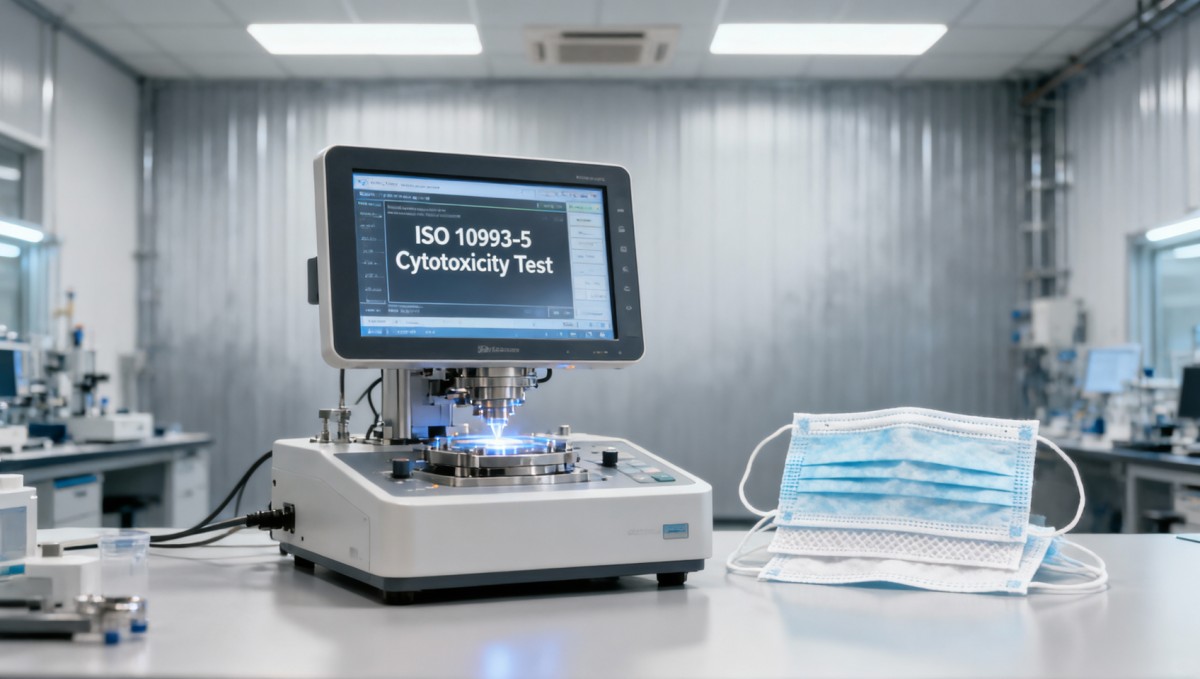
Starting May 1, 2026, ASTM F2100-26 supersedes ASTM F2100-19. Key changes include: (1) a new minimum synthetic blood penetration resistance of ≥160 mmHg for Level 4 masks; (2) mandatory cytotoxicity testing per ISO 10993-5; and (3) a requirement that all medical masks exported to the U.S. be accompanied by third-party biocompatibility test reports. The U.S. Food and Drug Administration (FDA) will deny Emergency Use Authorization (EUA) renewals or issue import alerts for noncompliant products.
Industries Affected
Direct Trading Enterprises
Exporters handling labeling, documentation, and customs clearance for medical masks must now verify and submit biocompatibility reports before shipment. Non-submission risks FDA refusal at port of entry and potential loss of EUA status—impacting revenue continuity and market access credibility.
Raw Material Procurement Enterprises
Suppliers of nonwoven fabrics—including spunbond, meltblown, and composite laminates—must ensure upstream material formulations meet ISO 10993-5 cytotoxicity thresholds. This requires traceability down to polymer grade, additives, and processing aids, increasing vendor qualification time and documentation burden.
Manufacturing Enterprises
Facilities in Guangdong, Jiangsu, and other PPE manufacturing hubs must revise internal quality control protocols to include pre-shipment biocompatibility validation. Unlike prior versions, F2100-26 treats biological safety as a pass/fail gate—not a post-market surveillance item—meaning production lines may face hold-and-test delays unless integrated into routine QC workflows.
Supply Chain Service Providers
Third-party testing labs, certification bodies, and regulatory consultants are seeing surging demand for ISO 10993-5-compliant cytotoxicity assessments. However, capacity remains constrained: only 12 labs accredited under ISO/IEC 17025 for this specific test are currently listed on the FDA’s recognized standards database—creating bottlenecks and longer lead times for report issuance.
Key Focus Areas and Recommended Actions
Verify Existing EUA Documentation Against New Requirements
Manufacturers should cross-check current EUA submissions against ASTM F2100-26’s Annex A (biocompatibility reporting format) and confirm whether previously accepted test reports satisfy ISO 10993-5’s cell line selection, extraction methodology, and acceptance criteria.
Engage Accredited Labs Early for Cytotoxicity Testing
Given limited lab capacity and typical 10–14-day turnaround for ISO 10993-5 testing, firms should initiate sample submission by Q3 2025 at the latest—especially for products undergoing EUA renewal in late 2026.
Update Technical Files to Include Material Traceability
Regulatory files must now link each mask layer (e.g., outer nonwoven, middle meltblown, inner skin-contact layer) to its raw material certificate of analysis (CoA), including lot-specific data on residual solvents, heavy metals, and extractable compounds.
Editorial Perspective / Industry Observation
Analysis shows this revision signals a structural shift—not just a technical update—in how the FDA evaluates medical device safety for low-risk, high-volume items. Prior versions treated biological evaluation as risk-based and often waived for well-established materials; F2100-26 eliminates that discretion for Level 3 and Level 4 masks. Observably, this reflects growing FDA emphasis on harmonization with ISO 10993 frameworks across device classes. From an industry perspective, the change is less about innovation barriers and more about system readiness: it tests whether Chinese PPE supply chains have matured beyond process compliance toward full lifecycle biocompatibility governance.
Conclusion
The enforcement of ASTM F2100-26 marks a pivotal step toward aligning U.S. medical mask regulation with internationally accepted biological safety principles. It does not raise the bar for efficacy alone—but embeds human biocompatibility as a non-negotiable baseline. For exporters, this is not merely a documentation upgrade; it is a signal that regulatory maturity now includes demonstrable control over material biology—not just physical performance.
Source Attribution
Official sources: ASTM International (Standard F2100-26, published March 2026); U.S. FDA Guidance Document "Considerations for Evaluating Biocompatibility of Medical Devices" (Rev. 3, February 2025); FDA Database of Recognized Consensus Standards (updated April 2026). Note: FDA has indicated that enforcement discretion policies related to transition timelines remain under review and are subject to further notice.
 Which global manufacturing trends by sector matter most for sourcing plans?Global manufacturing trends by sector: identify sourcing risks, supplier resilience, compliance demands, and cost drivers to build smarter, more reliable procurement plans.
 What industrial trade intelligence pricing should include before you subscribeIndustrial trade intelligence pricing explained: compare coverage, data quality, access rights, and workflow value before choosing a subscription that supports smarter trade decisions.
 How an industrial trade intelligence dashboard can identify new supplier marketsDiscover how an industrial trade intelligence dashboard helps identify new supplier markets by comparing capacity, landed cost, logistics resilience, and compliance risk.
 Which global market entry barriers should exporters assess first?Global market entry barriers exporters should assess first: tariffs, compliance, buyer qualification, logistics, and payment risk. Build a practical strategy for confident market entry.
 How trade data aggregation analytics can reveal emerging supplier marketsTrade data aggregation analytics reveals emerging supplier markets by connecting trade flows, capacity signals, logistics, and compliance insights for smarter sourcing decisions.
 When an export market analysis platform can validate demand in a new marketExport market analysis platform insights help validate new-market demand through buyer fit, regulations, logistics, competition, and profitable entry conditions.
 What is driving the beauty and personal care market in the USA?Beauty and personal care in USA is driven by targeted solutions, selective premiumization, digital discovery, clean-label trust, diverse needs, and compliance. Explore key growth opportunities.
 How trade flow monitoring reports reveal changing regional demandTrade flow monitoring reports reveal changing regional demand through import volumes, sourcing shifts, product mix, logistics signals, and regulatory trends. Explore actionable market insights.
 How international market intelligence for investors reduces market-entry riskInternational market intelligence for investors reduces market-entry risk by validating demand, regulations, logistics, and competition before capital is committed.
 How international sourcing intelligence helps identify supplier risk earlyInternational sourcing intelligence helps businesses spot supplier risks early, protect supply continuity, and make smarter global procurement decisions.
 How trade data aggregation analytics reveals emerging supplier marketsTrade data aggregation analytics reveals emerging supplier markets through export trends, input flows, logistics, and regulatory signals. Discover smarter sourcing insights.
 What industrial cluster monitoring in Vietnam reveals about site riskIndustrial cluster monitoring Vietnam reveals hidden site risks across labor, utilities, logistics, compliance, and supplier dependencies. Make smarter sourcing and expansion decisions.
 Food Technology Trends Reshaping Shelf Life, Safety, and Product InnovationFood technology is reshaping shelf life, safety, and innovation. Discover the trends helping food businesses cut risk, improve compliance, and unlock stronger global market growth.
 How electronics manufacturing services are changing with low-volume demandElectronics manufacturing services are evolving fast with low-volume demand. Learn how agile EMS partners improve flexibility, compliance, sourcing resilience, and speed to market.
 How Can Buyers Reduce Procurement Risks for Electronic Components?How to reduce procurement risks for electronic components: learn how buyers assess traceability, lead times, compliance, and supplier types to avoid costly sourcing mistakes.
 What Sourcing Intelligence India Reveals About Supplier Risk and Cost ShiftsSourcing intelligence India reveals hidden supplier risk, compliance gaps, logistics pressure, and real cost shifts—helping buyers compare vendors smarter and source with more confidence.
 Fashion Trends 2026: Which Materials, Colors, and Silhouettes Are Gaining Ground?Fashion trends 2026 spotlight tactile fabrics, mineral colors, and controlled volume. Explore the materials, shades, and silhouettes shaping smarter, more wearable style.
 Smart Device Market Outlook: Key Growth Drivers, Segments, and Business OpportunitiesSmart device market trends are shifting toward system value, industrial demand, and resilient supply chains. Explore key growth drivers, high-potential segments, and business opportunities.
 How Global Trade Intelligence Services Help B2B Firms Evaluate Markets and SuppliersGlobal trade intelligence services help B2B firms compare suppliers, assess market potential, and uncover compliance, logistics, and pricing risks before costly decisions are made.
 Manufacturing Sector Updates for Investors: What Signals Matter Most in 2025?Manufacturing sector updates for investors in 2025: track orders, margins, supply chains, regulation, and exports to spot resilient manufacturers and smarter investment signals.
 How Energy Market Intelligence Helps Businesses Track Price Risks and Demand ShiftsEnergy market intelligence helps businesses spot price risks, demand shifts, and supply pressure early—improving procurement, resilience, and faster strategic decisions.





















Global Trade Insights & Industry
Our mission is to empower global exporters and importers with data-driven insights that foster strategic growth.
Search News
Popular Tags
Industry Overview
The global commercial kitchen equipment market is projected to reach $112 billion by 2027. Driven by urbanization, the rise of e-commerce food delivery, and strict hygiene regulations.