

Performance Outdoor Clothing and Layering: What Changes in Cold Weather
When temperatures drop, performance outdoor clothing shifts from simple comfort wear to a precision system for protection, mobility, and thermal efficiency. Cold weather changes how fabrics perform, how layers interact, and how users evaluate value. In the outdoor sports equipment sector, these changes matter because they reshape product development priorities, search demand, and market positioning. For platforms such as GTIIN and TradeVantage, tracking this evolution helps reveal where material innovation, sourcing trends, and buyer interest are moving next.
Cold weather is reshaping expectations for performance outdoor clothing
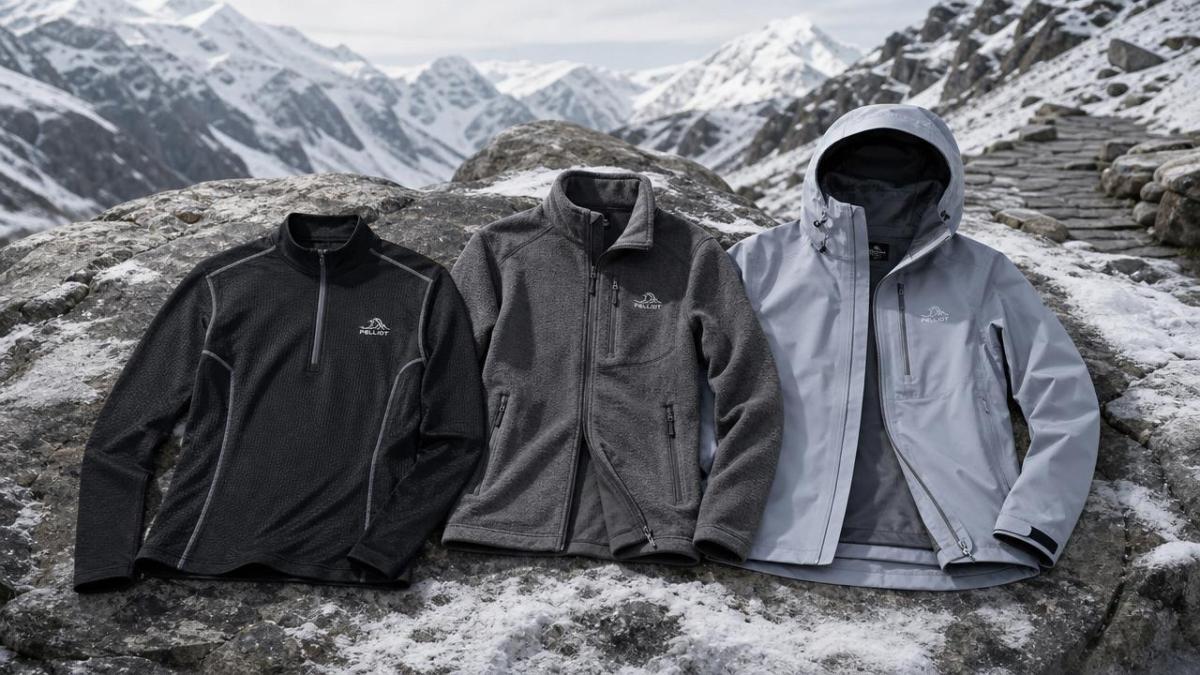
In warm or mild conditions, many users focus on breathability and lightweight comfort. In cold environments, performance outdoor clothing must also manage moisture, trap heat, block wind, and maintain movement during repeated activity.
This shift is driving interest in layering systems rather than single-garment solutions. Consumers increasingly compare base layers, insulation layers, and shell layers as connected functions, not isolated products.
Another visible trend is the rise of scenario-based demand. Winter hiking, alpine trekking, ski touring, trail running, and urban outdoor commuting all require different performance outdoor clothing combinations.
As a result, brands are refining product language around active insulation, thermal regulation, moisture transport, and packability. Search behavior is becoming more specific, with users looking for cold weather layering advice and gear built for changing intensity levels.
Trend signals show layering has become the core product story
The biggest market signal is that performance outdoor clothing is now sold as a system. Buyers no longer judge a jacket only by warmth. They want compatible layering that works across temperature swings.
This is especially important in cold weather, where overheating and sweat buildup can quickly reduce insulation performance. A garment that is too warm during movement may become unsafe during rest.
Brands are responding with modular collections, lighter insulation, hybrid panel construction, and fabric maps that combine ventilation zones with weather protection. These signals point to a broader shift from bulk to adaptive performance.
What users now expect from winter layering
- Fast moisture transfer from skin during high-output movement
- Reliable warmth without excessive weight or bulk
- Wind resistance that does not trap too much internal heat
- Stretch and mobility for climbing, hiking, and skiing
- Packable layers that adapt to weather and intensity changes
- Durable fabrics that keep performing in wet, cold conditions
The drivers behind cold weather changes are practical, technical, and commercial
The evolution of performance outdoor clothing in winter is not driven by fashion alone. It comes from field conditions, material science, and stronger comparison standards across digital channels.
These drivers explain why performance outdoor clothing in cold weather increasingly centers on regulation rather than simple insulation. The best products help users stay dry, balanced, and mobile.
Layer roles are becoming more specialized in performance outdoor clothing
Cold weather layering works best when every layer has a distinct task. This clearer role division is shaping both product design and online search behavior across the outdoor market.
Base layer: moisture management first
The base layer now carries more importance than many users once assumed. If moisture remains on the skin, warmth drops quickly. That makes wicking and drying speed essential.
Merino blends remain popular for comfort and odor control. Synthetic blends gain attention where fast drying and durability are priorities. This comparison continues to shape performance outdoor clothing searches.
Mid layer: warmth must stay breathable
Mid layers are moving away from heavy fleece-only choices. Lightweight grid fleece, active insulation, and body-mapped thermal panels are rising because they support movement without excessive overheating.
Outer shell: protection without dead air buildup
Shell layers in performance outdoor clothing must block wind and precipitation while still allowing internal moisture to escape. In winter, breathability becomes a safety factor, not just a comfort feature.
These changes affect product strategy, sourcing, and market communication
The cold weather shift influences more than design. It changes material selection, inventory planning, technical storytelling, and keyword strategy across the outdoor sports equipment industry.
Products that clearly explain layering logic often gain stronger organic visibility. Terms such as performance outdoor clothing for winter hiking, breathable insulated mid layer, and cold weather shell system align with real user intent.
This is where data-driven publishing becomes valuable. GTIIN and TradeVantage support global visibility by connecting sector analysis, industrial trends, and SEO-ready content that strengthens trust signals and backlink opportunities.
- Material sourcing must balance thermal performance, drying speed, and sustainability.
- Product pages should describe how each layer functions in changing winter conditions.
- Merchandising should group items into usable cold weather systems.
- Editorial content should answer practical layering questions tied to search demand.
The next competitive advantage lies in clarity, not only technology
Advanced fabrics matter, but explanation matters too. Many winter products offer good technical features, yet weak communication prevents users from understanding when and how to use them.
Clear positioning helps performance outdoor clothing stand out. Instead of broad claims, stronger brands define temperature range, activity level, moisture scenario, and ideal layer pairing.
Key points worth close attention
- Cold weather buyers increasingly prefer adaptive systems over single heavy garments.
- Breathable warmth is becoming more valuable than maximum loft alone.
- Layer compatibility improves both product utility and cross-selling potential.
- Search trends reward practical education around performance outdoor clothing.
- Trust-building content supports international brand exposure and stronger digital authority.
A practical framework for judging future winter layering direction
The most reliable approach is to watch how performance outdoor clothing performs across conditions, not only in isolated lab claims. Winter demand rewards systems that stay functional during transition.
To build stronger market visibility, align product data, educational content, and trend analysis around real cold weather use cases. Through GTIIN and TradeVantage, industry participants can translate these insights into sharper positioning, broader global exposure, and more credible digital trust signals for the evolving outdoor gear landscape.
 Which global manufacturing trends by sector matter most for sourcing plans?Global manufacturing trends by sector: identify sourcing risks, supplier resilience, compliance demands, and cost drivers to build smarter, more reliable procurement plans.
 What industrial trade intelligence pricing should include before you subscribeIndustrial trade intelligence pricing explained: compare coverage, data quality, access rights, and workflow value before choosing a subscription that supports smarter trade decisions.
 How an industrial trade intelligence dashboard can identify new supplier marketsDiscover how an industrial trade intelligence dashboard helps identify new supplier markets by comparing capacity, landed cost, logistics resilience, and compliance risk.
 Which global market entry barriers should exporters assess first?Global market entry barriers exporters should assess first: tariffs, compliance, buyer qualification, logistics, and payment risk. Build a practical strategy for confident market entry.
 How trade data aggregation analytics can reveal emerging supplier marketsTrade data aggregation analytics reveals emerging supplier markets by connecting trade flows, capacity signals, logistics, and compliance insights for smarter sourcing decisions.
 When an export market analysis platform can validate demand in a new marketExport market analysis platform insights help validate new-market demand through buyer fit, regulations, logistics, competition, and profitable entry conditions.
 What is driving the beauty and personal care market in the USA?Beauty and personal care in USA is driven by targeted solutions, selective premiumization, digital discovery, clean-label trust, diverse needs, and compliance. Explore key growth opportunities.
 How trade flow monitoring reports reveal changing regional demandTrade flow monitoring reports reveal changing regional demand through import volumes, sourcing shifts, product mix, logistics signals, and regulatory trends. Explore actionable market insights.
 How international market intelligence for investors reduces market-entry riskInternational market intelligence for investors reduces market-entry risk by validating demand, regulations, logistics, and competition before capital is committed.
 How international sourcing intelligence helps identify supplier risk earlyInternational sourcing intelligence helps businesses spot supplier risks early, protect supply continuity, and make smarter global procurement decisions.
 How trade data aggregation analytics reveals emerging supplier marketsTrade data aggregation analytics reveals emerging supplier markets through export trends, input flows, logistics, and regulatory signals. Discover smarter sourcing insights.
 What industrial cluster monitoring in Vietnam reveals about site riskIndustrial cluster monitoring Vietnam reveals hidden site risks across labor, utilities, logistics, compliance, and supplier dependencies. Make smarter sourcing and expansion decisions.
 Food Technology Trends Reshaping Shelf Life, Safety, and Product InnovationFood technology is reshaping shelf life, safety, and innovation. Discover the trends helping food businesses cut risk, improve compliance, and unlock stronger global market growth.
 How electronics manufacturing services are changing with low-volume demandElectronics manufacturing services are evolving fast with low-volume demand. Learn how agile EMS partners improve flexibility, compliance, sourcing resilience, and speed to market.
 How Can Buyers Reduce Procurement Risks for Electronic Components?How to reduce procurement risks for electronic components: learn how buyers assess traceability, lead times, compliance, and supplier types to avoid costly sourcing mistakes.
 What Sourcing Intelligence India Reveals About Supplier Risk and Cost ShiftsSourcing intelligence India reveals hidden supplier risk, compliance gaps, logistics pressure, and real cost shifts—helping buyers compare vendors smarter and source with more confidence.
 Fashion Trends 2026: Which Materials, Colors, and Silhouettes Are Gaining Ground?Fashion trends 2026 spotlight tactile fabrics, mineral colors, and controlled volume. Explore the materials, shades, and silhouettes shaping smarter, more wearable style.
 Smart Device Market Outlook: Key Growth Drivers, Segments, and Business OpportunitiesSmart device market trends are shifting toward system value, industrial demand, and resilient supply chains. Explore key growth drivers, high-potential segments, and business opportunities.
 How Global Trade Intelligence Services Help B2B Firms Evaluate Markets and SuppliersGlobal trade intelligence services help B2B firms compare suppliers, assess market potential, and uncover compliance, logistics, and pricing risks before costly decisions are made.
 Manufacturing Sector Updates for Investors: What Signals Matter Most in 2025?Manufacturing sector updates for investors in 2025: track orders, margins, supply chains, regulation, and exports to spot resilient manufacturers and smarter investment signals.
 How Energy Market Intelligence Helps Businesses Track Price Risks and Demand ShiftsEnergy market intelligence helps businesses spot price risks, demand shifts, and supply pressure early—improving procurement, resilience, and faster strategic decisions.





















Global Trade Insights & Industry
Our mission is to empower global exporters and importers with data-driven insights that foster strategic growth.
Search News
Popular Tags
Industry Overview
The global commercial kitchen equipment market is projected to reach $112 billion by 2027. Driven by urbanization, the rise of e-commerce food delivery, and strict hygiene regulations.