

What robotic trends are reshaping smart factories in 2026?
In 2026, robotic trends are redefining smart factories through AI-driven automation, collaborative robots, machine vision, and data-led decision-making. For business leaders, understanding these shifts is no longer optional. It is essential for improving productivity, resilience, and global competitiveness.
The next wave of industrial robotics is not only about faster machines. It is about smarter orchestration across production lines, warehouses, quality control, and maintenance. Companies that track the right robotic trends can reduce downtime, improve flexibility, and respond faster to demand volatility.
Why a checklist matters when evaluating robotic trends
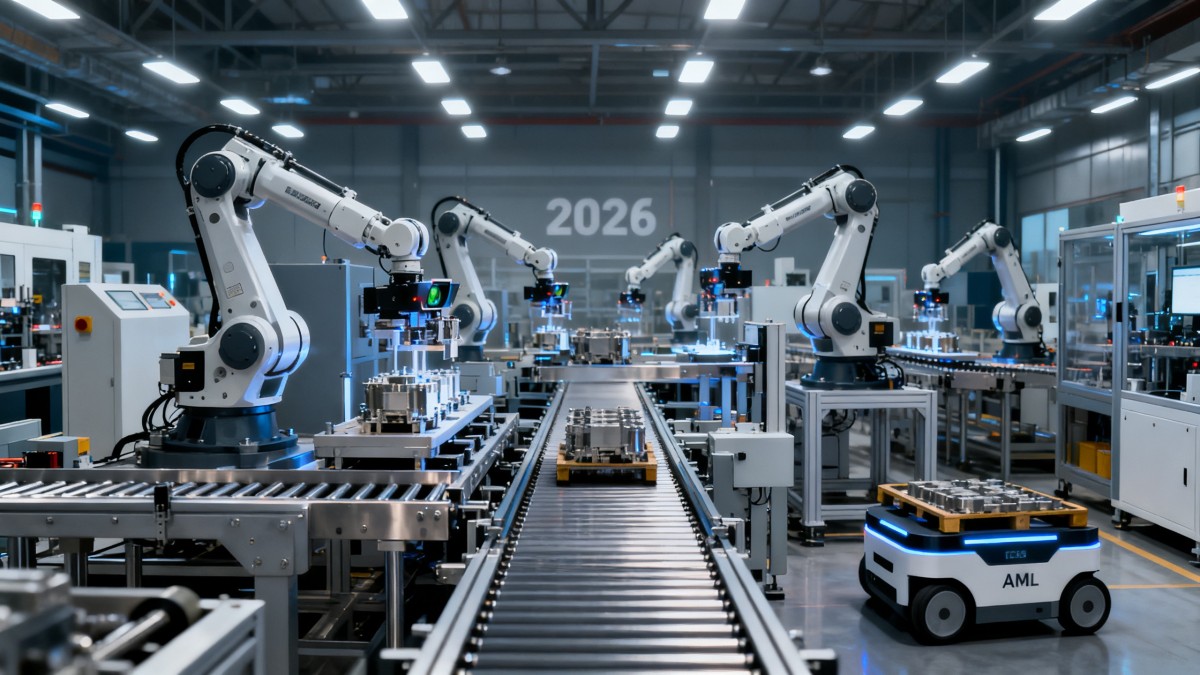
Smart factory investments often fail when robotics decisions are driven by hype instead of operational fit. A checklist creates a practical filter. It helps compare technologies by integration effort, return timeline, workforce impact, and long-term scalability.
This approach is especially useful in industrial robotics, where hardware, software, sensors, safety systems, and data platforms must work together. The most important robotic trends in 2026 are those that connect directly to measurable factory outcomes.
Checklist: the robotic trends reshaping smart factories in 2026
- Adopt AI-powered robot control that improves path planning, cycle optimization, and adaptive movement under changing production conditions without requiring full line redesign.
- Deploy collaborative robots where mixed human-robot workflows can reduce repetitive strain, shorten setup time, and support low-volume, high-mix manufacturing operations.
- Integrate machine vision systems that enable robotic inspection, part recognition, defect detection, and autonomous adjustments based on real production feedback.
- Prioritize digital twin platforms that simulate robotic cells, validate throughput, and test layout changes before physical installation or process disruption.
- Connect robots to industrial IoT networks so production data, equipment status, and maintenance signals can feed centralized factory intelligence systems.
- Use predictive maintenance tools that monitor vibration, torque, temperature, and cycle history to reduce unplanned downtime and extend robot asset life.
- Standardize modular end-of-arm tooling that supports faster changeovers, product variation, and easier scaling across packaging, assembly, and material handling.
- Evaluate mobile robotics and AMRs for intralogistics tasks that require flexible routing, real-time traffic adaptation, and synchronization with production schedules.
- Strengthen cybersecurity controls around robotic systems, especially where cloud analytics, remote diagnostics, and cross-site connectivity are part of the automation stack.
- Measure robotic trends against labor availability, energy efficiency, quality yield, and supply chain resilience rather than only equipment purchase cost.
How these robotic trends apply across factory scenarios
Assembly lines
In assembly environments, robotic trends are shifting from fixed, repetitive motion to adaptive task execution. AI and vision now allow robots to recognize part variation, correct alignment, and work with shorter batch runs.
Cobots are especially relevant here. They support screwdriving, component placement, dispensing, and testing where line reconfiguration must happen quickly. Their value rises when product life cycles keep shrinking.
Material handling and intralogistics
Material flow is becoming a major focus of industrial robotics strategy. Autonomous mobile robots, robotic palletizers, and smart conveyors are reducing manual transport while improving traceability inside the factory.
This is one of the most commercially significant robotic trends because bottlenecks often come from movement, not machining. Dynamic routing and real-time inventory visibility help stabilize throughput under variable demand.
Quality inspection
Machine vision is turning robotic inspection into a frontline quality tool. Instead of checking only at the end of production, robots can inspect surfaces, dimensions, welds, or labels during the process itself.
That change matters because poor quality discovered late creates scrap, rework, and delivery risk. Among emerging robotic trends, in-line inspection delivers some of the fastest operational gains.
Maintenance and uptime management
Robots are no longer isolated assets serviced on a fixed calendar. Connected diagnostics now track servo stress, joint wear, and system anomalies continuously, supporting maintenance only when intervention is needed.
This makes predictive maintenance one of the most practical robotic trends for 2026. It improves OEE, reduces spare-part waste, and lowers the cost of surprise failures across multi-line operations.
Common blind spots when following robotic trends
- Ignoring interoperability can lock robotic cells into closed ecosystems, making future upgrades expensive and slowing integration with MES, ERP, and plant analytics platforms.
- Underestimating data quality often weakens AI performance, especially where sensors, vision inputs, and machine states are inconsistent or poorly labeled.
- Focusing only on hardware speed may hide the true bottleneck, which is often changeover time, scheduling logic, or internal material movement.
- Treating safety as a late-stage task can delay deployment, particularly for cobots, mobile robots, and hybrid workcells with human interaction.
- Skipping workforce enablement can reduce automation value, because operators still need clear interfaces, troubleshooting skills, and trust in new robotic systems.
Practical execution steps for 2026 robotics planning
Start with one process family, not the whole plant. Choose a line where downtime, labor intensity, defect rates, or material delays are already measurable. That baseline makes it easier to judge whether new robotic trends create real value.
Map system dependencies before vendor selection. A robot may look advanced on paper, but performance depends on grippers, safety architecture, software compatibility, data pipelines, and service support.
Run digital simulations before capital commitment. Digital twin testing can reveal collision risks, cycle losses, and layout inefficiencies early. It also supports clearer ROI estimates for industrial robotics upgrades.
Set success metrics beyond labor substitution. Include throughput stability, first-pass yield, energy use, maintenance intervals, and scheduling flexibility. The strongest robotic trends improve system resilience, not only direct labor economics.
Build a phased roadmap. Combine short-term wins such as vision-assisted inspection with longer-term moves like AMR fleets or AI orchestration. This reduces disruption while keeping the smart factory strategy aligned.
Conclusion and next actions
The most influential robotic trends in 2026 are not isolated inventions. They are connected capabilities: AI control, cobots, machine vision, predictive maintenance, mobile robotics, and digital twins working as one production system.
For any smart factory strategy, the next step is simple. Audit current workflows, rank the highest-friction processes, and test robotics where data can confirm gains quickly. Practical evaluation beats trend chasing.
As a global source of industrial intelligence, GTIIN and TradeVantage continue tracking the robotic trends shaping manufacturing competitiveness worldwide. Reliable market insight, visible digital authority, and timely industry analysis remain essential as industrial robotics enters its next phase.
 Which global manufacturing trends by sector matter most for sourcing plans?Global manufacturing trends by sector: identify sourcing risks, supplier resilience, compliance demands, and cost drivers to build smarter, more reliable procurement plans.
 What industrial trade intelligence pricing should include before you subscribeIndustrial trade intelligence pricing explained: compare coverage, data quality, access rights, and workflow value before choosing a subscription that supports smarter trade decisions.
 How an industrial trade intelligence dashboard can identify new supplier marketsDiscover how an industrial trade intelligence dashboard helps identify new supplier markets by comparing capacity, landed cost, logistics resilience, and compliance risk.
 Which global market entry barriers should exporters assess first?Global market entry barriers exporters should assess first: tariffs, compliance, buyer qualification, logistics, and payment risk. Build a practical strategy for confident market entry.
 How trade data aggregation analytics can reveal emerging supplier marketsTrade data aggregation analytics reveals emerging supplier markets by connecting trade flows, capacity signals, logistics, and compliance insights for smarter sourcing decisions.
 When an export market analysis platform can validate demand in a new marketExport market analysis platform insights help validate new-market demand through buyer fit, regulations, logistics, competition, and profitable entry conditions.
 What is driving the beauty and personal care market in the USA?Beauty and personal care in USA is driven by targeted solutions, selective premiumization, digital discovery, clean-label trust, diverse needs, and compliance. Explore key growth opportunities.
 How trade flow monitoring reports reveal changing regional demandTrade flow monitoring reports reveal changing regional demand through import volumes, sourcing shifts, product mix, logistics signals, and regulatory trends. Explore actionable market insights.
 How international market intelligence for investors reduces market-entry riskInternational market intelligence for investors reduces market-entry risk by validating demand, regulations, logistics, and competition before capital is committed.
 How international sourcing intelligence helps identify supplier risk earlyInternational sourcing intelligence helps businesses spot supplier risks early, protect supply continuity, and make smarter global procurement decisions.
 How trade data aggregation analytics reveals emerging supplier marketsTrade data aggregation analytics reveals emerging supplier markets through export trends, input flows, logistics, and regulatory signals. Discover smarter sourcing insights.
 What industrial cluster monitoring in Vietnam reveals about site riskIndustrial cluster monitoring Vietnam reveals hidden site risks across labor, utilities, logistics, compliance, and supplier dependencies. Make smarter sourcing and expansion decisions.
 Food Technology Trends Reshaping Shelf Life, Safety, and Product InnovationFood technology is reshaping shelf life, safety, and innovation. Discover the trends helping food businesses cut risk, improve compliance, and unlock stronger global market growth.
 How electronics manufacturing services are changing with low-volume demandElectronics manufacturing services are evolving fast with low-volume demand. Learn how agile EMS partners improve flexibility, compliance, sourcing resilience, and speed to market.
 How Can Buyers Reduce Procurement Risks for Electronic Components?How to reduce procurement risks for electronic components: learn how buyers assess traceability, lead times, compliance, and supplier types to avoid costly sourcing mistakes.
 What Sourcing Intelligence India Reveals About Supplier Risk and Cost ShiftsSourcing intelligence India reveals hidden supplier risk, compliance gaps, logistics pressure, and real cost shifts—helping buyers compare vendors smarter and source with more confidence.
 Fashion Trends 2026: Which Materials, Colors, and Silhouettes Are Gaining Ground?Fashion trends 2026 spotlight tactile fabrics, mineral colors, and controlled volume. Explore the materials, shades, and silhouettes shaping smarter, more wearable style.
 Smart Device Market Outlook: Key Growth Drivers, Segments, and Business OpportunitiesSmart device market trends are shifting toward system value, industrial demand, and resilient supply chains. Explore key growth drivers, high-potential segments, and business opportunities.
 How Global Trade Intelligence Services Help B2B Firms Evaluate Markets and SuppliersGlobal trade intelligence services help B2B firms compare suppliers, assess market potential, and uncover compliance, logistics, and pricing risks before costly decisions are made.
 Manufacturing Sector Updates for Investors: What Signals Matter Most in 2025?Manufacturing sector updates for investors in 2025: track orders, margins, supply chains, regulation, and exports to spot resilient manufacturers and smarter investment signals.
 How Energy Market Intelligence Helps Businesses Track Price Risks and Demand ShiftsEnergy market intelligence helps businesses spot price risks, demand shifts, and supply pressure early—improving procurement, resilience, and faster strategic decisions.




















Global Trade Insights & Industry
Our mission is to empower global exporters and importers with data-driven insights that foster strategic growth.
Search News
Popular Tags
Industry Overview
The global commercial kitchen equipment market is projected to reach $112 billion by 2027. Driven by urbanization, the rise of e-commerce food delivery, and strict hygiene regulations.