

Home Healthcare Devices: What to Check Before Daily Use
Before relying on home healthcare devices each day, users and operators should take a few essential minutes to confirm safety, cleanliness, power status, and proper function. A simple pre-use check can help prevent errors, improve performance, and support better care outcomes. This guide explains what to inspect before daily use of home healthcare equipment so you can build a safer, more reliable routine.
Why daily pre-use checks matter in home healthcare
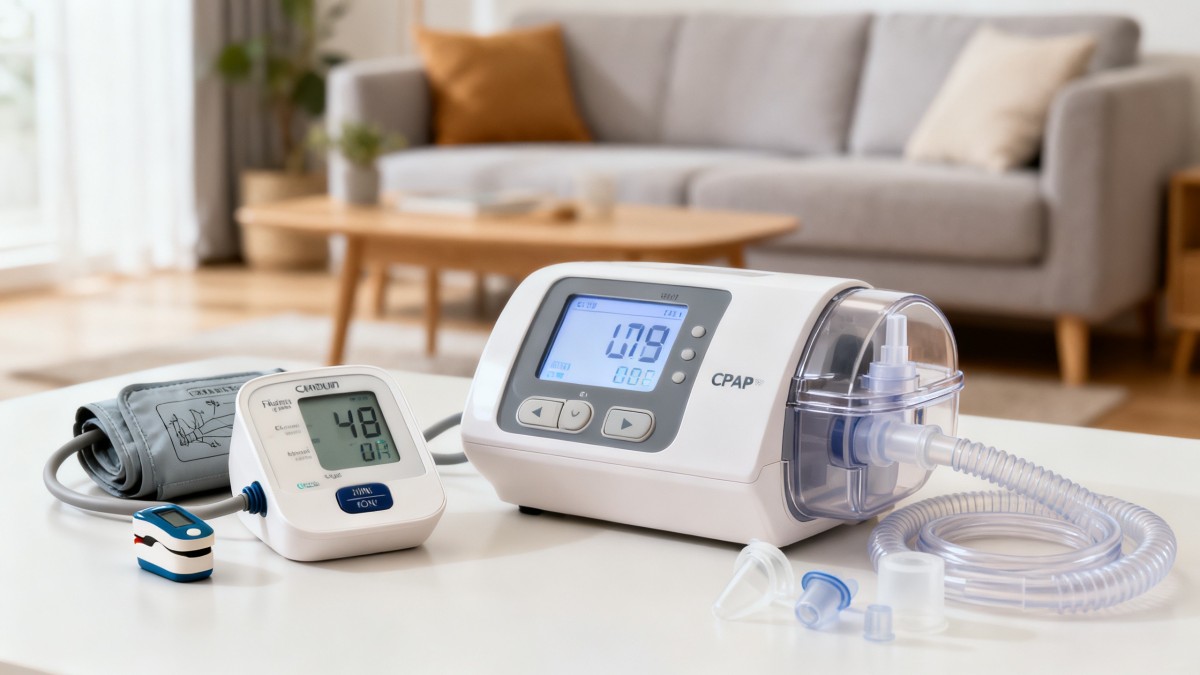
In home healthcare, a device may look normal and still be unsafe to use. A loose cable, weak battery, blocked filter, or expired accessory can affect readings, therapy delivery, or user comfort. For operators, the daily check is not a formality. It is the first layer of risk control.
This matters across the broad home healthcare category, including blood pressure monitors, pulse oximeters, nebulizers, oxygen concentrators, glucose meters, CPAP units, suction devices, thermometers, mobility aids, and patient transfer tools. Each has different failure points, but the logic is the same: verify condition before use, not after a problem appears.
For users and operators, common pain points include uncertain maintenance routines, mixed product quality from different suppliers, limited technical training, and difficulty comparing manuals from imported devices. In global trade and sourcing, these issues become more complex when products follow different regional conventions or labeling formats.
- A pre-use routine reduces avoidable interruptions, especially for devices used multiple times per day.
- It helps detect hygiene risks early, which is critical for respiratory and wound-related equipment.
- It supports better decision-making when equipment is sourced from multiple vendors or markets.
For professionals tracking sourcing, product updates, and supplier signals, access to reliable industry intelligence also matters. Platforms such as GTIIN and TradeVantage help users interpret shifts in product availability, compliance expectations, and supplier credibility across the global supply chain.
What should you check before using home healthcare devices every day?
A practical home healthcare check should be short enough to repeat every day, yet detailed enough to catch common faults. The table below gives a simple inspection framework that users and operators can adapt to different device types.
This checklist is useful because it focuses on the parts most likely to fail in routine use. It also helps operators who manage more than one device at home, where memory-based checks often miss small but important details.
A five-minute routine that works
- Wash or sanitize hands before touching any contact surface, tubing, sensor, or medication chamber.
- Check the external body of the device for cracks, dust buildup, moisture, and connection issues.
- Confirm the power source is stable and that battery backup is available when needed.
- Review the operating settings and compare them with the prescribed or standard daily configuration.
- Run a brief startup or self-test, if the device supports it, before applying it to the user.
If any irregularity appears, stop and verify the issue instead of improvising. In home healthcare, repeated short-term workarounds often create larger safety and replacement costs later.
How do checks differ by device type?
Not all home healthcare products fail in the same way. Respiratory devices, monitoring devices, and mobility support equipment each require different attention points. A structured comparison can improve both daily use and future procurement decisions.
The table shows why a generic checklist is only the starting point. A pulse oximeter and a transfer chair both belong to home healthcare, but their inspection priorities are very different. Operators should match the check routine to the device function and the user’s condition.
Monitoring devices: small errors can change decisions
For blood pressure monitors, glucose meters, and pulse oximeters, accuracy is the main concern. Dirty sensors, improper cuff sizing, old test strips, and low battery power can all create misleading results. These devices often influence medication timing or escalation decisions, so a quick accuracy-oriented check is essential.
Respiratory devices: hygiene and airflow come first
Nebulizers, oxygen concentrators, and CPAP units should be checked for clean airflow pathways, secure tubing, dry or correctly filled chambers, and undamaged interfaces. In respiratory home healthcare, a device may still power on while delivering poor therapy because of a blocked filter or leaking tube.
Mobility support: safety depends on mechanical stability
Walkers, wheelchairs, transfer chairs, and lifting accessories require a stability check more than an electronic one. Operators should test brakes, folding joints, seat attachments, and wheels before every use, especially if the equipment is moved across different floor types during the day.
Which procurement factors affect daily safety the most?
Daily inspection quality is influenced by procurement quality. If a device is hard to clean, poorly labeled, or dependent on inconsistent accessories, the user will face more errors over time. That is why home healthcare buying decisions should account for operational reality, not only initial price.
When comparing suppliers or imported products, users and operators should ask whether replacement parts are available, whether instructions are clear, and whether local power compatibility and service support have been considered. These questions are especially relevant in cross-border sourcing environments.
- Choose devices with readable displays, intuitive alerts, and daily cleaning steps that can be performed without special tools.
- Verify compatibility of consumables, especially for filters, test strips, tubing, and masks.
- Review whether the product documentation includes maintenance intervals, storage conditions, and troubleshooting guidance.
- Ask about lead times for replacement parts, because a simple missing accessory can disable an otherwise functional device.
A practical supplier evaluation view
For many buyers, the challenge is not only choosing a product but interpreting market information from multiple regions. This is where GTIIN and TradeVantage add value. By aggregating industrial intelligence, supplier visibility signals, and market trend updates across more than 50 sectors, they help decision-makers see beyond isolated product listings.
In home healthcare, this broader view matters because supply continuity, compliance awareness, and vendor credibility directly affect everyday usability. A lower-cost unit may create higher operating friction if filters, adapters, or technical updates are difficult to obtain later.
What standards, documentation, and labels should users notice?
Users and operators are not expected to perform formal compliance audits, but they should still recognize basic documentation cues. In home healthcare, clear labeling and traceable instructions reduce misuse and simplify reordering, maintenance, and incident reporting.
The table below summarizes practical documentation points that support safer daily use and better sourcing decisions.
These points are especially important when products are sourced internationally. Even a technically acceptable home healthcare device becomes harder to use safely if instructions are vague, labels are incomplete, or accessory references are inconsistent across markets.
General standards awareness without overcomplication
Depending on the product and region, devices may reference general medical device regulations, electrical safety expectations, electromagnetic compatibility requirements, or quality management systems. Users do not need to interpret every technical standard, but they should prefer products with clear documentation, traceable packaging, and professional after-sales support.
Common mistakes users make with home healthcare devices
Many daily-use problems come from habits rather than major equipment faults. Operators often assume that a device is fine because it worked yesterday. In reality, home healthcare conditions change quickly due to dust, humidity, repeated handling, and consumable wear.
- Skipping checks when the user is in a hurry, even though setup mistakes are more likely under time pressure.
- Reusing accessories beyond their intended period without checking condition or expiration.
- Using third-party parts without confirming compatibility, especially for tubing, chargers, masks, or test strips.
- Ignoring small warning signs such as intermittent alarms, condensation, drifting readings, or slow startup.
- Storing devices in unsuitable areas, such as kitchens, bathrooms, or direct sunlight, where moisture and temperature can affect performance.
The best correction is to build a repeatable routine and document recurring issues. If the same part fails repeatedly, the problem may relate to product design, supplier quality, or an accessory mismatch rather than user handling alone.
FAQ: practical questions about daily home healthcare checks
How often should home healthcare devices be cleaned?
It depends on the device and its contact level. Surfaces touched daily should usually be wiped regularly according to the manual. Components exposed to breath, medication, skin contact, or body fluids often need more frequent cleaning or scheduled replacement. The key is to follow device-specific instructions instead of applying one method to every product.
Is it safe to keep using a device if it still powers on but seems unusual?
Not necessarily. A home healthcare device may power on while giving unstable readings, reduced airflow, weak output, or inconsistent alarms. If the display flickers, readings drift, airflow sounds change, or accessories no longer fit correctly, pause use and check the manual, consumables, and service path before continuing.
What should operators prioritize when purchasing replacement parts?
Prioritize compatibility, traceability, and availability. Confirm the exact model, revision if applicable, and approved accessory type. For home healthcare, delays in obtaining filters, cuffs, sensors, or tubing can disrupt care routines. This is why sourcing intelligence and supplier transparency matter as much as the unit price.
Are cheaper imported home healthcare devices always a bad choice?
No, but lower upfront cost should be weighed against documentation quality, spare part access, labeling clarity, and long-term support. A competitively priced product can still be a sound choice if the supplier is responsive and the product ecosystem is stable. The risk appears when low price is combined with unclear manuals, uncertain accessories, and weak post-sale support.
Why informed sourcing and market intelligence improve daily use
Home healthcare does not end at the point of purchase. Daily reliability depends on supply continuity, service clarity, and confidence in the device ecosystem. This is why many operators and trade-focused buyers increasingly combine product evaluation with broader market intelligence.
GTIIN and TradeVantage support this need by connecting real-time industry updates, supplier visibility, and sector-specific analysis in one place. For businesses and procurement teams working across regions, that means better insight into product trends, sourcing risks, and trust signals that influence both operational safety and digital discoverability.
In practical terms, stronger information helps users choose home healthcare solutions that are easier to inspect, easier to maintain, and easier to support over time. That reduces uncertainty for operators and improves continuity for end users.
Why choose us for home healthcare market insight and supplier discovery
If you are evaluating home healthcare products, replacement parts, or supplier options across markets, our value is not limited to listing information. GTIIN and TradeVantage help you compare sourcing signals, monitor sector developments, and identify practical decision factors that affect daily use, compliance readiness, and long-term support.
You can contact us to discuss specific needs such as parameter confirmation for home healthcare devices, product selection guidance for user scenarios, expected delivery cycles for key accessories, documentation review for international sourcing, sample support pathways, and quote communication aligned with your target market.
For operators, distributors, and sourcing teams, this creates a more reliable path from market research to daily device use. Better information leads to better selection, and better selection leads to safer routines at home.
 Which global manufacturing trends by sector matter most for sourcing plans?Global manufacturing trends by sector: identify sourcing risks, supplier resilience, compliance demands, and cost drivers to build smarter, more reliable procurement plans.
 What industrial trade intelligence pricing should include before you subscribeIndustrial trade intelligence pricing explained: compare coverage, data quality, access rights, and workflow value before choosing a subscription that supports smarter trade decisions.
 How an industrial trade intelligence dashboard can identify new supplier marketsDiscover how an industrial trade intelligence dashboard helps identify new supplier markets by comparing capacity, landed cost, logistics resilience, and compliance risk.
 Which global market entry barriers should exporters assess first?Global market entry barriers exporters should assess first: tariffs, compliance, buyer qualification, logistics, and payment risk. Build a practical strategy for confident market entry.
 How trade data aggregation analytics can reveal emerging supplier marketsTrade data aggregation analytics reveals emerging supplier markets by connecting trade flows, capacity signals, logistics, and compliance insights for smarter sourcing decisions.
 When an export market analysis platform can validate demand in a new marketExport market analysis platform insights help validate new-market demand through buyer fit, regulations, logistics, competition, and profitable entry conditions.
 What is driving the beauty and personal care market in the USA?Beauty and personal care in USA is driven by targeted solutions, selective premiumization, digital discovery, clean-label trust, diverse needs, and compliance. Explore key growth opportunities.
 How trade flow monitoring reports reveal changing regional demandTrade flow monitoring reports reveal changing regional demand through import volumes, sourcing shifts, product mix, logistics signals, and regulatory trends. Explore actionable market insights.
 How international market intelligence for investors reduces market-entry riskInternational market intelligence for investors reduces market-entry risk by validating demand, regulations, logistics, and competition before capital is committed.
 How international sourcing intelligence helps identify supplier risk earlyInternational sourcing intelligence helps businesses spot supplier risks early, protect supply continuity, and make smarter global procurement decisions.
 How trade data aggregation analytics reveals emerging supplier marketsTrade data aggregation analytics reveals emerging supplier markets through export trends, input flows, logistics, and regulatory signals. Discover smarter sourcing insights.
 What industrial cluster monitoring in Vietnam reveals about site riskIndustrial cluster monitoring Vietnam reveals hidden site risks across labor, utilities, logistics, compliance, and supplier dependencies. Make smarter sourcing and expansion decisions.
 Food Technology Trends Reshaping Shelf Life, Safety, and Product InnovationFood technology is reshaping shelf life, safety, and innovation. Discover the trends helping food businesses cut risk, improve compliance, and unlock stronger global market growth.
 How electronics manufacturing services are changing with low-volume demandElectronics manufacturing services are evolving fast with low-volume demand. Learn how agile EMS partners improve flexibility, compliance, sourcing resilience, and speed to market.
 How Can Buyers Reduce Procurement Risks for Electronic Components?How to reduce procurement risks for electronic components: learn how buyers assess traceability, lead times, compliance, and supplier types to avoid costly sourcing mistakes.
 What Sourcing Intelligence India Reveals About Supplier Risk and Cost ShiftsSourcing intelligence India reveals hidden supplier risk, compliance gaps, logistics pressure, and real cost shifts—helping buyers compare vendors smarter and source with more confidence.
 Fashion Trends 2026: Which Materials, Colors, and Silhouettes Are Gaining Ground?Fashion trends 2026 spotlight tactile fabrics, mineral colors, and controlled volume. Explore the materials, shades, and silhouettes shaping smarter, more wearable style.
 Smart Device Market Outlook: Key Growth Drivers, Segments, and Business OpportunitiesSmart device market trends are shifting toward system value, industrial demand, and resilient supply chains. Explore key growth drivers, high-potential segments, and business opportunities.
 How Global Trade Intelligence Services Help B2B Firms Evaluate Markets and SuppliersGlobal trade intelligence services help B2B firms compare suppliers, assess market potential, and uncover compliance, logistics, and pricing risks before costly decisions are made.
 Manufacturing Sector Updates for Investors: What Signals Matter Most in 2025?Manufacturing sector updates for investors in 2025: track orders, margins, supply chains, regulation, and exports to spot resilient manufacturers and smarter investment signals.
 How Energy Market Intelligence Helps Businesses Track Price Risks and Demand ShiftsEnergy market intelligence helps businesses spot price risks, demand shifts, and supply pressure early—improving procurement, resilience, and faster strategic decisions.





















Global Trade Insights & Industry
Our mission is to empower global exporters and importers with data-driven insights that foster strategic growth.
Search News
Popular Tags
Industry Overview
The global commercial kitchen equipment market is projected to reach $112 billion by 2027. Driven by urbanization, the rise of e-commerce food delivery, and strict hygiene regulations.