

Tents Manufacturing Delays Often Start with Material Decisions
In tents manufacturing, delays often begin long before production starts—at the material selection stage. For project managers and engineering leads, choosing the wrong fabric, coating, or supplier can trigger cost overruns, quality issues, and timeline disruptions. Understanding how material decisions affect lead times is essential for keeping outdoor equipment projects on schedule and meeting market expectations.
Why material choices create hidden delays in tents manufacturing
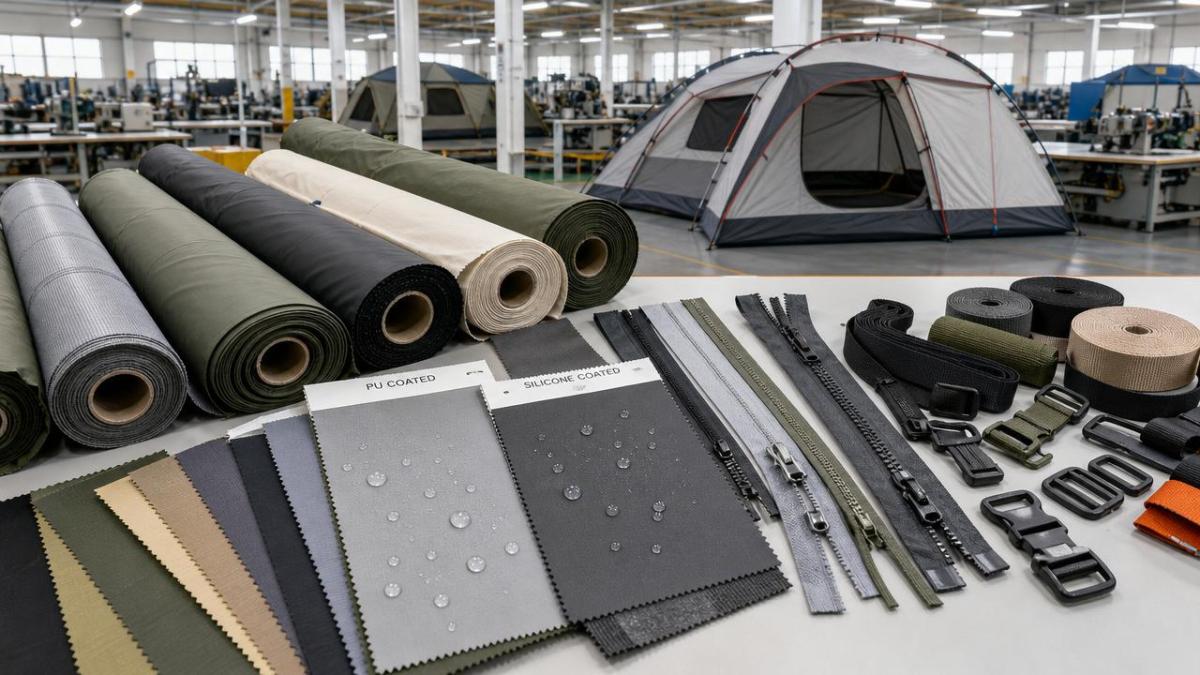
In outdoor equipment production, material selection is not a simple purchasing task. In tents manufacturing, it defines sourcing complexity, lab testing needs, cutting efficiency, seam performance, coating stability, and shipment planning.
Project managers often focus on factory capacity and assembly schedules, yet the real bottleneck appears earlier. A fabric that looks cost-effective on paper may require longer dyeing queues, extra waterproofing tests, or re-approval after sample review.
Engineering leads face another challenge: performance targets vary by end use. A family camping tent, an alpine shelter, and a promotional event tent may all sit under the same product category, but their fabric, pole, coating, and accessory priorities differ sharply.
- Base fabric availability can change by denier, weave density, color, and finishing route.
- Coatings such as PU or silicone may require separate processing schedules and curing time.
- Trim items including zippers, tapes, buckles, webbing, and mesh often come from different suppliers with different minimum order quantities.
- Compliance checks for chemical restrictions, flammability, or labeling can add approval gates before bulk release.
That is why many tents manufacturing delays are not production failures in the narrow sense. They are decision failures at the specification stage, where teams underestimate supply chain interdependence across materials and components.
Which materials most often affect delivery timelines?
For project planning, not all materials carry the same delay risk. Some are commodity items with stable replenishment. Others are highly customized, sensitive to weather seasonality, or dependent on specialist finishing lines. In tents manufacturing, knowing where timing pressure builds helps teams prioritize early decisions.
High-impact material categories
The table below summarizes common material groups in tents manufacturing and the way each one can influence lead time, quality control, and engineering approval.
A common mistake is treating shell fabric as the only critical path item. In practice, accessory bottlenecks can stop shipment just as easily. A tent body may be complete, but if zipper pulls or seam tape do not arrive on time, packing cannot close.
Why coatings deserve extra attention
Coatings are especially sensitive in tents manufacturing because they affect waterproofness, hand feel, packability, seam sealing compatibility, and odor. A lower-cost coating option may appear attractive during budgeting, but it can introduce testing repeats or field-performance concerns.
For engineering teams, the key question is not only whether a fabric meets target hydrostatic head or tear strength. It is also whether that fabric can be sourced repeatedly with stable finishing quality across bulk lots and production seasons.
How project managers can evaluate materials before they become a schedule problem
The best prevention method in tents manufacturing is to convert material selection into a stage-gated decision process. That means evaluating not just performance and price, but also sourcing resilience, testing burden, substitution options, and supplier responsiveness.
A practical evaluation framework
- Define the end-use scenario first. Backpacking, glamping, disaster relief, and event shelter products have different priorities for weight, abrasion resistance, waterproofing, and flame behavior.
- Separate must-have specifications from preferred specifications. This allows faster substitution if the original fabric becomes constrained.
- Ask suppliers for both standard lead time and risk lead time. Standard estimates often exclude peak season congestion, re-dyeing, or secondary finishing queues.
- Check whether trims and seam-sealing materials are validated with the chosen fabric system. Material compatibility matters as much as individual item quality.
- Build a pre-approved backup list for critical components. A second-choice material can save weeks when availability changes suddenly.
This framework is particularly useful for engineering project leaders handling launch calendars, retailer delivery commitments, or multi-country sourcing. It reduces last-minute redesign cycles that often damage both margin and internal confidence.
Material selection checklist for tents manufacturing
To make evaluation more actionable, the following table can be used during supplier review meetings or development handoff discussions in tents manufacturing programs.
Using a checklist like this turns material review from a subjective conversation into a measurable control point. It also helps procurement and engineering teams align faster when trade-offs are necessary.
Comparing common fabric decisions: cheaper now or safer later?
In tents manufacturing, a lower unit cost does not always mean a lower project cost. Materials with unstable supply or narrow processing windows can create hidden expenses through air freight, re-sampling, delayed launches, or quality claims.
Decision trade-offs that matter
The next table compares typical material decision paths in tents manufacturing from a project management perspective rather than from a unit-price perspective alone.
For most project managers, the winning strategy is not the cheapest or the most premium material. It is the material system with the best balance of predictable supply, acceptable cost, and proven manufacturing compatibility.
Standards, compliance, and approval gates that can slow tents manufacturing
Outdoor equipment programs often move across multiple markets, which means materials must sometimes satisfy more than one commercial and compliance expectation. If these checks are left until after sourcing, lead times stretch quickly.
What teams should verify early
- Chemical management documentation for coatings, dyes, and accessory materials, especially when selling into regions with strict substance restrictions.
- Product labeling consistency, including fiber composition, care instructions, and origin markings when required by destination markets.
- Flammability or performance expectations for special-use tents such as event, institutional, or emergency applications.
- Packaging and carton specifications that may affect shipping efficiency, storage protection, and retailer acceptance.
Not every tent project needs the same level of certification review, but every project benefits from early document mapping. This is especially important when one material supplier serves multiple factories or when buying teams need traceable technical records.
How market intelligence helps reduce material risk before purchase orders are locked
For teams working in fast-moving global supply chains, material decisions should not depend only on supplier quotations. They should also reflect broader signals: regional manufacturing shifts, coating capacity changes, logistics pressure, and demand cycles across outdoor equipment categories.
This is where GTIIN and TradeVantage add value for project managers and engineering leaders. Their role is not limited to publishing news. They help buyers and sourcing teams read industrial patterns earlier, compare sourcing conditions across regions, and identify where delivery risk may rise before it affects a product calendar.
Practical use cases for decision-makers
- Track material and manufacturing developments across Asian production bases to spot potential lead time pressure for coated technical fabrics.
- Monitor demand shifts in European outdoor markets that may affect color, packaging, or compliance preferences.
- Use industry intelligence to benchmark sourcing options and improve internal communication with procurement, design, and commercial teams.
- Strengthen supplier discovery and brand exposure through a high-authority platform that supports trust-building in international trade ecosystems.
For foreign trade enterprises involved in tents manufacturing, timely visibility matters. Better information supports better sequencing of material approvals, supplier outreach, and launch planning. It also creates a stronger digital presence that helps partners and buyers validate credibility more quickly.
FAQ: common questions about tents manufacturing delays and material decisions
How early should materials be locked in tents manufacturing?
For standard constructions, teams should start validation as early as the sampling phase and lock critical materials before bulk scheduling. For custom colors, unusual coatings, or new suppliers, extra time is usually needed for lab dips, performance checks, and backup planning.
Which material is most likely to cause last-minute changes?
Shell fabric gets the most attention, but coated fabric systems and accessory sets often cause the most disruptive changes. Seam tape compatibility, zipper color matching, and coating consistency can all create approval loops late in the process.
Is it safer to use standard materials even if the design team wants something unique?
In many cases, yes. If launch timing is tight, a standard material platform with known performance and stable availability may be a smarter commercial choice. Unique materials are best used when the margin, timeline, and sourcing flexibility can absorb extra development risk.
What should project managers ask suppliers besides price?
Ask for process-level lead time details, sample support timing, MOQ terms, substitute options, historical consistency, and compliance document readiness. In tents manufacturing, a complete answer to these questions is often more valuable than a low opening quote.
Why choose us for market visibility and sourcing insight
If your team is managing tents manufacturing programs across changing supply conditions, you need more than isolated supplier messages. You need structured information that connects material availability, industrial trends, trade developments, and visibility in global markets.
GTIIN and TradeVantage help outdoor equipment businesses and trade-focused manufacturers turn fragmented data into usable decisions. We support sourcing and growth with real-time industry updates, cross-sector analysis, and a publishing environment designed to strengthen trust signals and international discoverability.
- Consult us on material-related market signals that may affect delivery cycles in tents manufacturing.
- Discuss product selection direction, supplier exposure, and content opportunities that support B2B buyer confidence.
- Request support around delivery cycle communication, custom solution positioning, certification topic planning, and quotation-stage visibility.
- Explore how sample support messaging, parameter confirmation content, and technical trade communication can improve conversion with overseas buyers.
When material decisions shape delivery success, better intelligence becomes a competitive tool. Contact us to discuss sourcing trends, parameter confirmation, product selection pathways, delivery expectations, certification-related content, sample support communication, and quotation visibility for your next outdoor equipment project.
 How an industrial trade intelligence dashboard can identify new supplier marketsDiscover how an industrial trade intelligence dashboard helps identify new supplier markets by comparing capacity, landed cost, logistics resilience, and compliance risk.
 Which global market entry barriers should exporters assess first?Global market entry barriers exporters should assess first: tariffs, compliance, buyer qualification, logistics, and payment risk. Build a practical strategy for confident market entry.
 How trade data aggregation analytics can reveal emerging supplier marketsTrade data aggregation analytics reveals emerging supplier markets by connecting trade flows, capacity signals, logistics, and compliance insights for smarter sourcing decisions.
 When an export market analysis platform can validate demand in a new marketExport market analysis platform insights help validate new-market demand through buyer fit, regulations, logistics, competition, and profitable entry conditions.
 What is driving the beauty and personal care market in the USA?Beauty and personal care in USA is driven by targeted solutions, selective premiumization, digital discovery, clean-label trust, diverse needs, and compliance. Explore key growth opportunities.
 How trade flow monitoring reports reveal changing regional demandTrade flow monitoring reports reveal changing regional demand through import volumes, sourcing shifts, product mix, logistics signals, and regulatory trends. Explore actionable market insights.
 How international market intelligence for investors reduces market-entry riskInternational market intelligence for investors reduces market-entry risk by validating demand, regulations, logistics, and competition before capital is committed.
 How international sourcing intelligence helps identify supplier risk earlyInternational sourcing intelligence helps businesses spot supplier risks early, protect supply continuity, and make smarter global procurement decisions.
 How trade data aggregation analytics reveals emerging supplier marketsTrade data aggregation analytics reveals emerging supplier markets through export trends, input flows, logistics, and regulatory signals. Discover smarter sourcing insights.
 What industrial cluster monitoring in Vietnam reveals about site riskIndustrial cluster monitoring Vietnam reveals hidden site risks across labor, utilities, logistics, compliance, and supplier dependencies. Make smarter sourcing and expansion decisions.
 Food Technology Trends Reshaping Shelf Life, Safety, and Product InnovationFood technology is reshaping shelf life, safety, and innovation. Discover the trends helping food businesses cut risk, improve compliance, and unlock stronger global market growth.
 How electronics manufacturing services are changing with low-volume demandElectronics manufacturing services are evolving fast with low-volume demand. Learn how agile EMS partners improve flexibility, compliance, sourcing resilience, and speed to market.
 How Can Buyers Reduce Procurement Risks for Electronic Components?How to reduce procurement risks for electronic components: learn how buyers assess traceability, lead times, compliance, and supplier types to avoid costly sourcing mistakes.
 What Sourcing Intelligence India Reveals About Supplier Risk and Cost ShiftsSourcing intelligence India reveals hidden supplier risk, compliance gaps, logistics pressure, and real cost shifts—helping buyers compare vendors smarter and source with more confidence.
 Fashion Trends 2026: Which Materials, Colors, and Silhouettes Are Gaining Ground?Fashion trends 2026 spotlight tactile fabrics, mineral colors, and controlled volume. Explore the materials, shades, and silhouettes shaping smarter, more wearable style.
 Smart Device Market Outlook: Key Growth Drivers, Segments, and Business OpportunitiesSmart device market trends are shifting toward system value, industrial demand, and resilient supply chains. Explore key growth drivers, high-potential segments, and business opportunities.
 How Global Trade Intelligence Services Help B2B Firms Evaluate Markets and SuppliersGlobal trade intelligence services help B2B firms compare suppliers, assess market potential, and uncover compliance, logistics, and pricing risks before costly decisions are made.
 Manufacturing Sector Updates for Investors: What Signals Matter Most in 2025?Manufacturing sector updates for investors in 2025: track orders, margins, supply chains, regulation, and exports to spot resilient manufacturers and smarter investment signals.
 How Energy Market Intelligence Helps Businesses Track Price Risks and Demand ShiftsEnergy market intelligence helps businesses spot price risks, demand shifts, and supply pressure early—improving procurement, resilience, and faster strategic decisions.
 Precision Hardware Tools Market: Key Demand Drivers, Segments, and Growth OutlookPrecision hardware tools market trends are reshaping sourcing, compliance, and automation. Explore key demand drivers, segment shifts, regional supply patterns, and growth opportunities.
 How to Use Customs Import Data to Find Buyers, Track Competitors, and Spot Demand?Customs import data helps you find real buyers, track competitors, and spot demand shifts early. Learn practical ways to turn trade records into smarter global business decisions.





















Global Trade Insights & Industry
Our mission is to empower global exporters and importers with data-driven insights that foster strategic growth.
Search News
Popular Tags
Industry Overview
The global commercial kitchen equipment market is projected to reach $112 billion by 2027. Driven by urbanization, the rise of e-commerce food delivery, and strict hygiene regulations.